
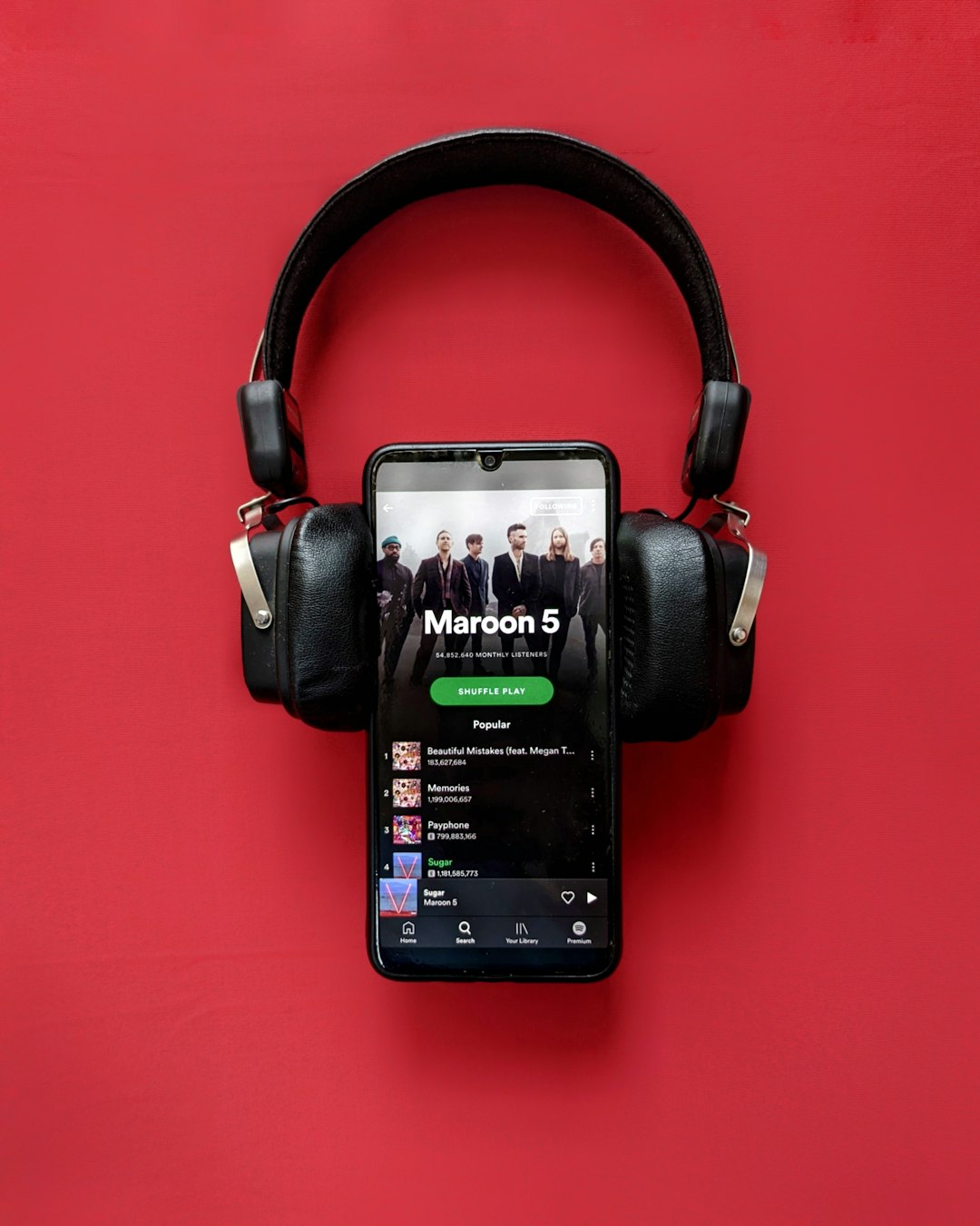
The best legal “Spotify MP3” alternative is to buy downloads from stores such as Bandcamp, Qobuz, Amazon Music, 7digital, or Beatport, instead of trying to rip songs from Spotify. Spotify is built for streaming, not MP3 ownership, even though it reported 626 million monthly active users in Q2 2024 [source: Spotify]. Its offline mode works inside the app, but those files are encrypted and tied to an account.
TLDR: Listeners who want real music files should use legal download stores, not Spotify converters. For example, a wedding DJ needing 120 tracks for offline backup would be safer buying WAV or MP3 files from Beatport, Bandcamp, or Qobuz than relying on cached Spotify tracks. If 30% of those songs vanish from a streaming catalog before the event, owned downloads still play. The cleanest setup is simple: stream for discovery, then buy the must-have tracks.
The phrase “Spotify MP3” usually means one of two things. Some users want to download Spotify songs as MP3 files. Others want an app like Spotify that also lets them own music files. The first idea is the problem. Spotify’s terms do not allow users to rip, record, or convert streams into regular MP3s. That is where many shady tools step in, and honestly, it feels like a trap with extra steps.
Spotify Premium does allow offline listening. That is legal and useful. The catch is that the downloaded music only works in Spotify. If the subscription ends, the file access ends. If a track is removed from the service, it may disappear from a library. There is no normal MP3 folder to copy to a USB drive, DJ laptop, phone, or car stereo.
Contents
Why Spotify Is Not an MP3 Store
Spotify pays rights holders through streaming licenses. Those licenses are different from download purchases. An MP3 purchase gives the buyer a file. A Spotify stream gives access under certain rules. That difference sounds boring, but it matters a lot when music is needed for editing, DJ sets, travel, archiving, or playback on older devices.
Users who search for “Spotify to MP3” often find converter sites. Many claim to be free. Most are not worth the risk. Some add poor audio quality. Some push pop-ups. Some require software that feels suspicious after five seconds. It drives some users crazy that a simple “download” button often turns into three fake buttons and a browser warning.
Legal alternatives remove that mess. They also pay artists, labels, and publishers. That is the better trade. The listener gets a clean file, and the creator gets paid.
Best Legal Music Download Alternatives
1. Bandcamp
Best for: indie music, direct artist support, rare releases.
Bandcamp is one of the strongest legal alternatives for people who want actual files. Buyers often get several formats, including MP3, FLAC, AAC, ALAC, WAV, and AIFF. That makes it useful for casual listeners and collectors alike. Many artists also sell merch, vinyl, and bonus tracks there.
Bandcamp is especially good when a listener wants more money to reach the artist. Pricing can be flexible, and some releases allow fans to pay more than the minimum. For underground electronic music, folk, experimental music, punk, metal, and niche scenes, it is hard to beat.
2. Qobuz
Best for: hi-res downloads, albums, audiophile listening.
Qobuz sells downloads in addition to streaming. It is known for lossless and high-resolution audio. Buyers can often choose CD quality or better, depending on the release. That makes it a strong pick for listeners who care about sound quality and long-term music libraries.
Its catalog may not please every pop fan in every region. Still, for jazz, classical, rock, and premium album purchases, Qobuz is a serious option. The store also avoids the awkward feeling of “renting” favorite albums forever.
3. Amazon Music Digital Store
Best for: mainstream music, easy purchases, broad catalog.
Amazon still sells many digital songs and albums, though availability can vary by country. Purchased tracks can usually be downloaded and stored. This makes it practical for listeners who already use Amazon accounts and want a quick legal choice.
The interface is not always elegant. Expect to waste time on account menus now and then. Still, it works well enough for mainstream releases, older albums, and common chart music.
4. 7digital
Best for: simple MP3 and FLAC purchases.
7digital is a long-running download store with MP3 and FLAC options on many releases. It is less flashy than Spotify or Apple Music, but that may be the point. A user searches, buys, downloads, and keeps the file.
Its catalog depends on licensing in each region. Some albums may be missing. Even so, it remains useful for people who want legal downloads without joining another streaming plan.
5. Beatport
Best for: DJs, dance music, electronic tracks.
Beatport is a top choice for electronic music. It serves DJs who need reliable files for sets, edits, and performance software. Downloads are often available in MP3, WAV, and AIFF, depending on the purchase option.
This matters because DJ software works best with owned files. Streaming links can fail. Wi-Fi can drop. A venue can have poor signal. A bought track sitting on a laptop is far less stressful.
6. Bleep
Best for: electronic, alternative, and experimental releases.
Bleep is respected for curated music and high-quality downloads. It is not the place for every radio hit. It is better for listeners who want electronic, left-field pop, experimental, ambient, and independent releases.
Files are usually clean, legal, and easy to organize. For collectors, that matters more than a giant catalog filled with filler.
7. Apple Music App and iTunes Purchases
Best for: Apple users who want purchased tracks.
Apple Music streaming is not the same as buying music. Purchased tracks from Apple’s store are usually DRM-free AAC files, not MP3. That may still work for most users, since AAC plays on many modern devices and often sounds good at smaller file sizes.
For users locked into iPhone, Mac, CarPlay, or iPad, this is a smooth option. The main annoyance is the naming confusion between Apple Music subscriptions and actual purchases. They are not the same thing.
Free Legal Download Sources
Not every legal download has to cost money. Some artists release tracks for free. The key is checking the license and download terms.
- Free Music Archive: useful for Creative Commons and independent music.
- Jamendo: good for free listening and some licensed use cases.
- Internet Archive: strong for public domain items, live recordings, and older material.
- SoundCloud: some artists enable official downloads on selected tracks.
- Artist websites: many musicians offer free singles in exchange for an email signup.
These services are not a replacement for every Spotify playlist. They are better for discovery, background projects, student films, podcasts, and budget music libraries. The user should still read the license before using tracks in public or commercial work.
What About Ripping CDs?
Buying CDs is still a legal path to owning music in many places, especially for personal use. A listener can buy a disc, rip it to MP3 or FLAC, and store it in a private library. Local law can vary, so users should check rules in their country.
CDs are also useful for albums that are missing from download stores. Used copies can be cheap. The downside is time. Ripping, tagging, and adding cover art can take longer than expected.
How to Pick the Right Alternative
- For artist support: Bandcamp is often the best first stop.
- For hi-res audio: Qobuz, Bleep, and HD download stores are better picks.
- For DJs: Beatport is safer than streaming caches.
- For mainstream songs: Amazon or Apple purchases may be easiest.
- For free tracks: use licensed sources such as Free Music Archive or artist pages.
The smartest habit is to separate discovery from ownership. Spotify can stay useful for playlists, recommendations, and casual listening. When an album becomes essential, the listener can buy it from a legal store. That gives control, better backup options, and fewer surprises.
FAQ
Can Spotify songs be legally downloaded as MP3 files?
No. Spotify offline downloads are encrypted and only work inside the Spotify app. Converting Spotify streams to MP3 usually breaks the service rules.
What is the best Spotify MP3 alternative?
Bandcamp is best for direct artist support. Qobuz is best for high-quality albums. Beatport is best for DJs and electronic music.
Are Spotify offline downloads the same as owning music?
No. Offline downloads are temporary access for subscribers. Owned downloads can be stored, backed up, and played outside a streaming app.
Is MP3 still worth using?
Yes. MP3 works on almost every device. FLAC or WAV may sound better, but MP3 is still practical for phones, cars, and portable players.
Can free music downloads be legal?
Yes. Free downloads are legal when the artist, label, or rights holder allows them. The listener should check the license before using the music in videos, events, or paid projects.

