
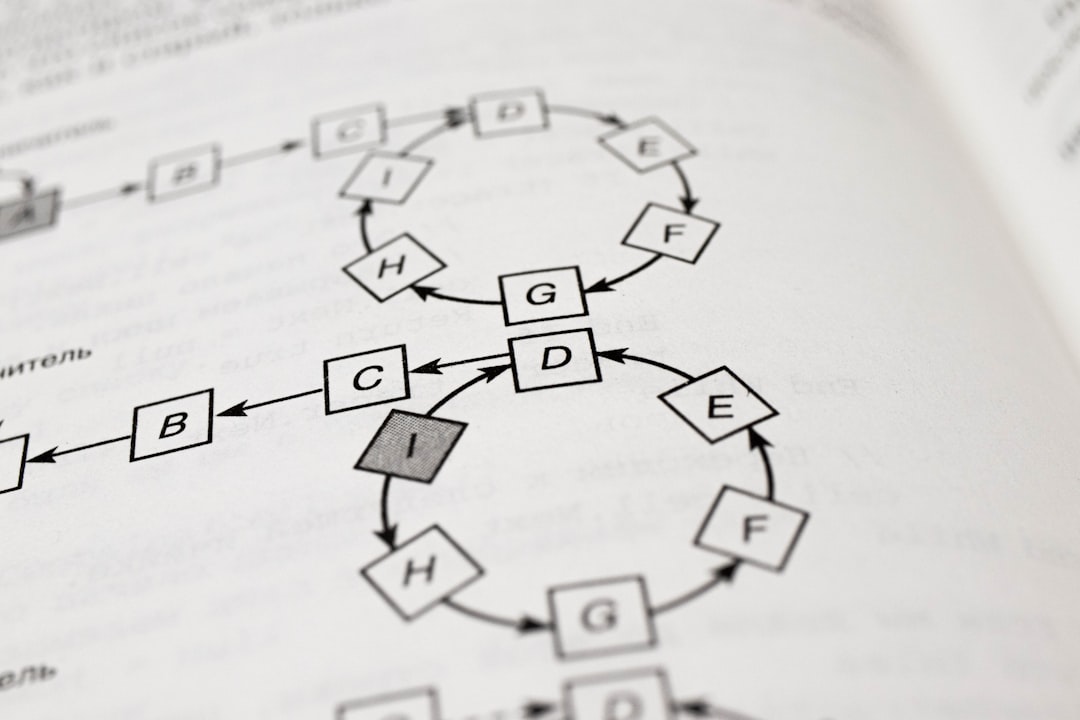
Building distributed systems can feel like juggling flaming swords. Services talk to each other. Networks fail. Retries happen. Timeouts sneak in. And suddenly, your clean architecture looks like spaghetti.
This is where backend workflow engines come in. Tools like Temporal help you orchestrate complex processes across services. They make long-running tasks reliable. They keep state safe. And they help your system recover when things go wrong.
TLDR: Backend workflow engines like Temporal manage long-running processes in distributed systems. They handle retries, state, failures, and orchestration automatically. Several strong alternatives exist, including Cadence, Zeebe, Durable Functions, and AWS Step Functions. The right choice depends on your scale, cloud setup, and developer preferences.
Let’s break it down in a fun and simple way.
Contents
- 1 What Is a Workflow Engine, Really?
- 2 Why Developers Love Temporal
- 3 Strong Alternatives to Temporal
- 4 Quick Comparison Chart
- 5 What Makes These Engines Special?
- 6 Common Workflow Patterns They Handle
- 7 When Should You Use One?
- 8 Architecture View
- 9 Choosing the Right Engine
- 10 The Big Idea
- 11 Final Thoughts
What Is a Workflow Engine, Really?
Imagine ordering food through an app.
- Payment gets processed.
- The restaurant confirms the order.
- A driver gets assigned.
- Delivery happens.
- You get notified.
Each step depends on the previous one. Some steps might fail. Payment might time out. The driver might cancel. The restaurant might be slow.
A workflow engine manages this entire process.
It remembers where things are. It retries when needed. It waits. It reacts to events. It keeps the flow moving.
Now imagine that, but for:
- Banking transactions
- Insurance claims
- Video processing pipelines
- E-commerce fulfillment
- AI job orchestration
That’s the real power.
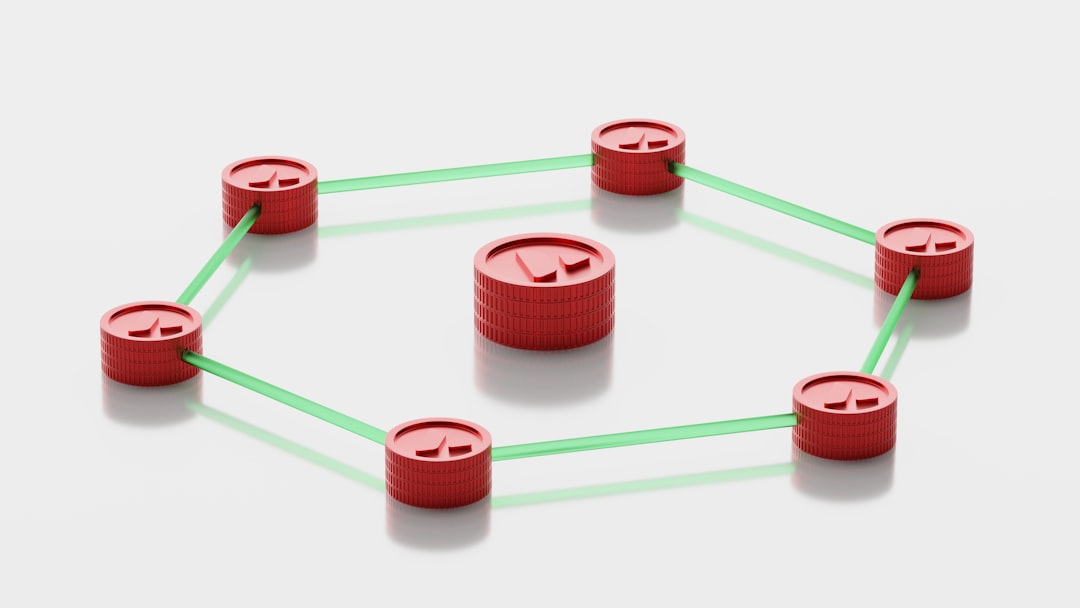
Why Developers Love Temporal
Temporal is one of the most popular workflow engines today.
Why?
- Code-first approach – write workflows in real programming languages
- Durability – state is persisted automatically
- Retries built-in
- Timeout handling
- Massive scalability
It feels like writing normal backend code. But under the hood, everything is durable and reliable.
If your server crashes mid-process? No problem. The workflow resumes.
If a service fails? It retries based on rules you set.
But Temporal isn’t the only option.
Strong Alternatives to Temporal
Let’s look at comparable workflow engines that handle distributed orchestration well.
1. Cadence
The predecessor of Temporal.
Cadence was built by Uber. Temporal was later created by some of the original authors.
Cadence offers:
- Code-defined workflows
- Durable execution
- High scalability
It’s battle-tested. But the community momentum today is stronger around Temporal.
2. Camunda (with Zeebe)
BPMN-focused orchestration.
Camunda uses BPMN diagrams to model workflows visually.
Zeebe is its cloud-native workflow engine.
Great for:
- Business process modeling
- Enterprises needing visual orchestration
- Teams with business stakeholders involved
It’s less code-first than Temporal. But it shines in regulated industries.
3. AWS Step Functions
Fully managed cloud orchestration.
If you live in AWS, this is attractive.
Benefits:
- No infrastructure management
- Tight AWS integrations
- Visual workflow builder
Limitations:
- AWS lock-in
- JSON/YAML definitions instead of full programming language logic
It works great for event-driven AWS architectures.
4. Azure Durable Functions
Microsoft’s durable orchestration layer.
It extends serverless Azure Functions with stateful workflows.
You get:
- Durable timers
- Fan-out/fan-in patterns
- Built-in persistence
Very compelling for .NET teams in Azure ecosystems.
5. Netflix Conductor
Microservice orchestration at scale.
Originally built at Netflix.
It uses JSON-based workflow definitions.
Good for:
- Large microservice ecosystems
- Cloud-native orchestration
Less elegant for complex in-code logic compared to Temporal.
Quick Comparison Chart
| Engine | Style | Cloud Native | Code First | Best For |
|---|---|---|---|---|
| Temporal | Code-defined workflows | Yes | Yes | Scalable distributed systems |
| Cadence | Code-defined workflows | Yes | Yes | Uber-style scale systems |
| Camunda Zeebe | BPMN visual modeling | Yes | Partial | Enterprise business processes |
| AWS Step Functions | JSON state machines | AWS only | No | AWS serverless apps |
| Azure Durable Functions | Code + serverless | Azure only | Yes | Microsoft ecosystem apps |
| Netflix Conductor | JSON workflows | Yes | No | Microservice orchestration |
What Makes These Engines Special?
They solve problems you don’t want to solve yourself.
Like:
- What happens if a process runs for 3 days?
- How do you retry safely without duplicating work?
- How do you maintain state across restarts?
- How do you orchestrate 50 services cleanly?
Without a workflow engine, you often end up with:
- Custom retry logic everywhere
- Complex message queues
- Manually persisted state
- Hard-to-debug failure paths
With a workflow engine?
It becomes predictable.
Common Workflow Patterns They Handle
These engines shine when using common distributed system patterns.
1. Saga Pattern
Used for distributed transactions.
If step 4 fails, steps 1–3 get compensated.
Example:
- Reserve inventory
- Charge payment
- Create shipment
If shipment fails? Refund payment. Release inventory.
Workflow engines handle this cleanly.
2. Fan-Out / Fan-In
Start many parallel tasks. Wait for all to finish.
Example: Processing 1,000 images.
Launch 1,000 jobs. Aggregate results when done.
3. Human-in-the-Loop
Some workflows pause for days or weeks.
Example:
- Submit loan application
- Wait for manual approval
- Continue processing
Durable timers and state persistence matter here.
When Should You Use One?
Not every backend needs a workflow engine.
Use one when:
- Processes run longer than a single request
- You need guaranteed execution
- Failures must be handled gracefully
- You orchestrate many services
- You need complex retry logic
A simple CRUD API? Probably overkill.
A payment processing system across five services? Very helpful.
Architecture View
Here’s how a typical setup works:
- Your app starts a workflow.
- The engine persists its state.
- Tasks are scheduled.
- Workers execute tasks.
- Results get stored.
- The workflow advances.
If a worker crashes? The engine reschedules.
If the database restarts? State is replayed.
This replay model is especially powerful in Temporal-like systems.

Choosing the Right Engine
Ask yourself:
- Are we cloud-agnostic?
- Do we want visual or code workflows?
- Are we okay with vendor lock-in?
- How large will this scale?
- What language does our team prefer?
If you want full programming flexibility: Temporal or Cadence.
If business teams need visual diagrams: Camunda.
If deeply tied to AWS: Step Functions.
If all-in on Azure: Durable Functions.
If orchestrating microservices via metadata: Conductor.
The Big Idea
Distributed systems are hard because time and failure exist.
Things crash. Networks split. Messages arrive twice. Or not at all.
Workflow engines accept this reality.
They don’t hope failures won’t happen.
They design for them.
That’s the magic.
Final Thoughts
Temporal made durable execution mainstream. But it’s not alone.
Backend workflow engines are becoming essential infrastructure for serious distributed systems.
They reduce chaos.
They make long-running processes sane.
They help teams move faster without building custom orchestration from scratch.
If your system coordinates multiple services over time, it might be time to stop juggling flaming swords.
And let a workflow engine do the juggling for you.

