
Royalty-free music libraries have transformed the way creators, brands, and media professionals access licensed audio. Platforms like Epidemic Sound provide expansive catalogs of high-quality tracks that can be used legally across digital and commercial projects. Instead of negotiating directly with composers or navigating complex royalty structures, users can subscribe to streamlined services that simplify music licensing and distribution.
TLDR: Royalty-free music libraries such as Epidemic Sound allow creators to legally use high-quality music without negotiating individual licenses. These platforms operate on subscription-based or one-time payment models and cover multiple usage rights. They are ideal for YouTubers, marketers, filmmakers, and podcasters seeking affordable and hassle-free licensing. Choosing the right library depends on budget, content type, and distribution channels.
In today’s digital landscape, where video content dominates marketing, social media, and entertainment, access to reliable music licensing has become essential. Copyright violations can lead to demonetization, takedowns, or legal disputes. Royalty-free music libraries address this challenge by offering a centralized system that simplifies the legal use of music while supporting artists and composers.
Contents
- 1 What Is a Royalty-Free Music Library?
- 2 How Platforms Like Epidemic Sound Work
- 3 Advantages of Using Royalty-Free Music Libraries
- 4 Who Uses These Music Libraries?
- 5 Comparing Subscription vs. One-Time Purchase Libraries
- 6 Factors to Consider When Choosing a Platform
- 7 Common Misconceptions About Royalty-Free Music
- 8 The Role of Artificial Intelligence in Music Libraries
- 9 The Future of Licensed Music for Digital Creators
- 10 FAQ: Royalty-Free Music Libraries
- 10.1 1. What does “royalty-free” actually mean?
- 10.2 2. Can royalty-free music be used for commercial projects?
- 10.3 3. What happens if a subscription ends?
- 10.4 4. Are YouTube copyright claims still possible?
- 10.5 5. Is royalty-free music suitable for television or film?
- 10.6 6. How is royalty-free music different from Creative Commons?
- 10.7 7. Can agencies use one subscription for multiple clients?
What Is a Royalty-Free Music Library?
A royalty-free music library is an online platform that offers music tracks under licensing agreements allowing customers to pay once—often through a subscription—and use the music without ongoing royalty payments. Contrary to common misconceptions, “royalty-free” does not mean the music is free. Instead, it means users do not owe additional royalties every time the track is played or distributed within permitted usage terms.
These platforms typically provide:
- Extensive music catalogs spanning multiple genres and moods
- Search filters based on tempo, instruments, energy level, and theme
- License coverage for social media, advertisements, films, and podcasts
- Copyright claim protection systems for platforms like YouTube
Depending on the provider, some libraries also offer sound effects and stems, giving creators additional flexibility during editing.
How Platforms Like Epidemic Sound Work
Subscription-based music libraries operate under a straightforward model. Users pay a recurring monthly or annual fee, gaining access to the full catalog and usage rights tied to the subscription’s scope. Once subscribed, creators can download and use tracks without worrying about copyright strikes—provided they comply with the platform’s terms.
For example, a YouTube creator can connect their channel to a platform like Epidemic Sound, ensuring uploaded videos are whitelisted. This prevents automated copyright claims. Similarly, businesses running advertisements across social media channels can use licensed tracks without negotiating separate agreements per campaign.
Licenses often include:
- Social media monetization
- Client work for agencies or freelancers (depending on plan tier)
- Paid advertising
- Broadcast usage (in higher-tier plans)
When a subscription ends, most platforms allow content published during the subscription period to remain online without retroactive penalties. However, new projects typically cannot use the tracks unless the subscription is reactivated.
Advantages of Using Royalty-Free Music Libraries
The rise of these services is rooted in clear advantages for creators and businesses alike.
1. Legal Protection
Music licensing laws can be complex. Royalty-free libraries provide structured agreements that clearly outline rights and responsibilities. This transparency minimizes legal uncertainty.
2. Cost Predictability
Traditional licensing often requires negotiating fees based on audience size, territory, and duration. Subscription libraries allow predictable budgeting, particularly useful for agencies and production studios handling recurring projects.
3. Efficiency and Speed
Content production timelines are tight. Instead of waiting for composer approvals, users can immediately download music and integrate it into their projects.
4. Diverse Catalogs
Most platforms categorize tracks by:
- Genre (pop, cinematic, electronic, acoustic)
- Mood (uplifting, suspenseful, calm)
- Usage scenario (corporate, vlog, gaming)
- Energy level
This structured approach simplifies music discovery and enhances creative flexibility.
Who Uses These Music Libraries?
Royalty-free platforms serve a wide range of users.
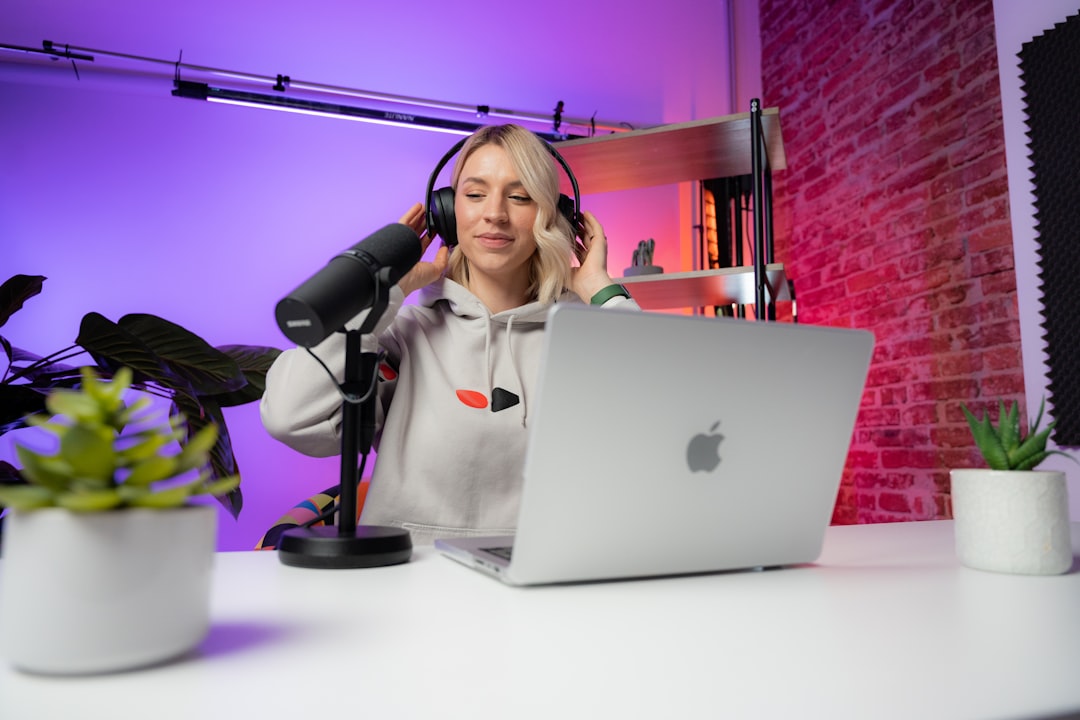
- YouTubers and streamers: To avoid demonetization and copyright strikes.
- Filmmakers: For budget-friendly background scores.
- Marketing agencies: For advertisements and promotional campaigns.
- Podcasters: For theme music and transitions.
- Corporate teams: For training videos and presentations.
Even educational institutions and nonprofit organizations frequently rely on royalty-free music for online courses and internal communications.
Comparing Subscription vs. One-Time Purchase Libraries
While platforms like Epidemic Sound operate on subscription models, other royalty-free libraries sell individual licenses per track. Each approach has strengths and limitations.
Subscription Model
- Unlimited access during subscription period
- Ideal for frequent content production
- Predictable recurring cost
- Often includes automated platform claim protection
One-Time Purchase Model
- Pay once per track
- Lifetime usage for specific projects
- No recurring fees
- May be cost-effective for occasional creators
For high-volume creators, subscriptions tend to offer greater value. For occasional users producing a single video or advertisement, one-time licensing may suffice.
Factors to Consider When Choosing a Platform
Selecting the right music library requires evaluating several criteria:
License Scope
Users should confirm whether the license covers commercial use, paid ads, client work, and international broadcasts.
Content Ownership
Understanding what happens after cancellation is critical. Some services allow previously published content to remain monetized, while others may revoke commercial rights.
Music Quality and Variety
A curated, professionally produced catalog ensures music enhances rather than detracts from the final project.
User Experience
A clean search interface with advanced filters can significantly reduce production time.
Budget and Scalability
Agencies managing multiple clients should verify if multi-channel or enterprise plans are available.
Common Misconceptions About Royalty-Free Music
Despite its popularity, royalty-free licensing is often misunderstood.
- “Royalty-free means free.” This is incorrect. The term refers to the absence of recurring royalties, not the absence of payment.
- “The music can be used anywhere.” Usage is governed by licensing terms. Certain uses, such as resale or redistribution as standalone files, are typically prohibited.
- “Once downloaded, it’s owned forever.” Ownership of the composition remains with the creator or platform; users receive a license.
Understanding these distinctions helps prevent misuse and protects content investments.
The Role of Artificial Intelligence in Music Libraries
Modern platforms increasingly integrate AI-driven search tools and personalized recommendations. By analyzing user behavior, editing patterns, and genre preferences, these systems propose suitable tracks more efficiently. Some platforms also use AI to tag mood, pacing, and instrumentation details, improving discoverability.
As content production accelerates across social media channels, AI enhancements are likely to become more sophisticated, further streamlining workflow processes.
The Future of Licensed Music for Digital Creators
The rapid growth of short-form video platforms, streaming media, and digital advertising ensures ongoing demand for accessible, licensed music. Royalty-free libraries are expanding their offerings beyond background tracks, incorporating cinematic sound design, vocal elements, and customizable stems.
Additionally, transparent revenue-sharing systems between platforms and artists strengthen sustainability within the creative ecosystem. As more creators monetize their work, clear and accessible licensing solutions will remain central to the digital economy.
FAQ: Royalty-Free Music Libraries
1. What does “royalty-free” actually mean?
It means users pay once—either via subscription or single payment—and do not owe additional royalties for usage within the license terms.
2. Can royalty-free music be used for commercial projects?
Most libraries allow commercial use, including advertisements and monetized videos, but users should verify the specific license agreement.
3. What happens if a subscription ends?
Typically, content published during the active subscription remains protected, but new projects require an active subscription.
4. Are YouTube copyright claims still possible?
Many platforms offer direct channel whitelisting or claim dispute systems, minimizing the risk of demonetization.
5. Is royalty-free music suitable for television or film?
Yes, though higher-tier licenses may be required for broadcast or large-scale distribution.
6. How is royalty-free music different from Creative Commons?
Creative Commons licenses may allow free usage under certain conditions, such as attribution. Royalty-free licenses generally involve paid access with broader commercial rights and fewer attribution requirements.
7. Can agencies use one subscription for multiple clients?
Some platforms offer business or enterprise plans that permit client work. Users should ensure their chosen plan covers multi-client usage.
Royalty-free music libraries like Epidemic Sound represent a practical solution for navigating today’s copyright-driven content environment. By combining legal security, cost efficiency, and creative diversity, they empower professionals across industries to enhance their projects with confidence and clarity.

