

Modern video applications demand reliability, scalability, and flawless playback across devices. While Mux has become a well-known platform for developers building video-centric products, it is far from the only option. Organizations with unique compliance requirements, cost constraints, performance targets, or infrastructure preferences often explore alternative tools that better align with their technical and business priorities.
TLDR: Developers use a variety of tools instead of Mux for video streaming and delivery, including cloud-native services like AWS and Google Cloud, specialized platforms like Cloudflare Stream and Vimeo OTT, and self-managed solutions built with open-source technologies. The right choice depends on scalability needs, cost structure, integration flexibility, and control requirements. Many teams prioritize performance optimization, global CDN reach, and analytics depth when evaluating alternatives. Selecting the right stack often involves balancing managed convenience with customization.
Below is a detailed look at the most common categories of tools developers use as alternatives, along with the strengths and trade-offs of each.
Contents
- 1 1. Amazon Web Services (AWS) Media Services
- 2 2. Cloudflare Stream
- 3 3. Google Cloud Media Solutions
- 4 4. Vimeo OTT and Enterprise Solutions
- 5 5. Wowza Streaming Engine and Wowza Video
- 6 6. Self-Hosted Open Source Stacks
- 7 7. Brightcove
- 8 Comparison Chart
- 9 Key Factors Developers Consider When Choosing an Alternative
- 10 Managed vs. DIY: A Strategic Decision
- 11 Final Thoughts
1. Amazon Web Services (AWS) Media Services
AWS is one of the most commonly selected alternatives for teams that prefer granular infrastructure control and tight cloud integration.

AWS offers a suite of services tailored to video workflows:
- AWS Elemental MediaConvert for transcoding
- AWS Elemental MediaPackage for packaging and formatting
- AWS Elemental MediaLive for live streaming
- Amazon CloudFront as a global CDN
- Amazon S3 for storage
Why developers choose AWS:
- Highly scalable global infrastructure
- Pay-as-you-go pricing
- Deep integration with existing AWS environments
- Advanced customization options
Considerations: Implementation complexity can be higher, and development teams often need DevOps expertise to assemble and maintain the pipeline.
2. Cloudflare Stream
Cloudflare Stream has grown rapidly in popularity due to its simplicity and predictable pricing. Unlike more modular systems, Cloudflare Stream bundles encoding, storage, and delivery into a unified product.
Key features include:
- Automatic encoding for adaptive bitrate streaming
- Global CDN distribution
- Built-in video player
- Usage-based pricing model
Why developers choose Cloudflare Stream:
- Simplified setup compared to assembling multiple services
- Transparent cost structure
- Strong performance due to Cloudflare’s global edge network
Considerations: Less flexibility than building with modular cloud services. Advanced analytics may not be as extensive as specialized platforms.
3. Google Cloud Media Solutions
Google Cloud provides a compelling alternative through its Transcoder API, Media CDN, and Video Intelligence API.

Strengths:
- AI-powered video analysis capabilities
- Integration with Google’s data and machine learning ecosystem
- Reliable global delivery infrastructure
Common use cases:
- Platforms requiring automated content moderation
- Applications leveraging AI-based metadata extraction
- Data-heavy video workflows tied to analytics pipelines
Challenges: Similar to AWS, configuration can be complex and may require cloud architecture expertise.
4. Vimeo OTT and Enterprise Solutions
Vimeo offers both consumer and enterprise-grade video hosting tools. Its OTT platform is particularly appealing for subscription-based streaming businesses.
Notable capabilities:
- Customizable branded apps
- Subscription and monetization tools
- Built-in analytics
- Secure video hosting
Why teams choose Vimeo:
- All-in-one content monetization solution
- Simplified workflow for media businesses
- Reduced engineering overhead
Limitations: Less infrastructure-level control than developer-centric stacks.
5. Wowza Streaming Engine and Wowza Video
Wowza has long been a trusted name in streaming infrastructure. It provides both self-hosted and cloud-managed streaming options.
Benefits:
- Support for low-latency streaming
- Flexible deployment models
- Broad protocol compatibility
Ideal for:
- Live event platforms
- Interactive streaming applications
- Organizations needing hybrid deployment models
6. Self-Hosted Open Source Stacks
Some organizations opt to build entirely self-managed solutions using open-source technologies.
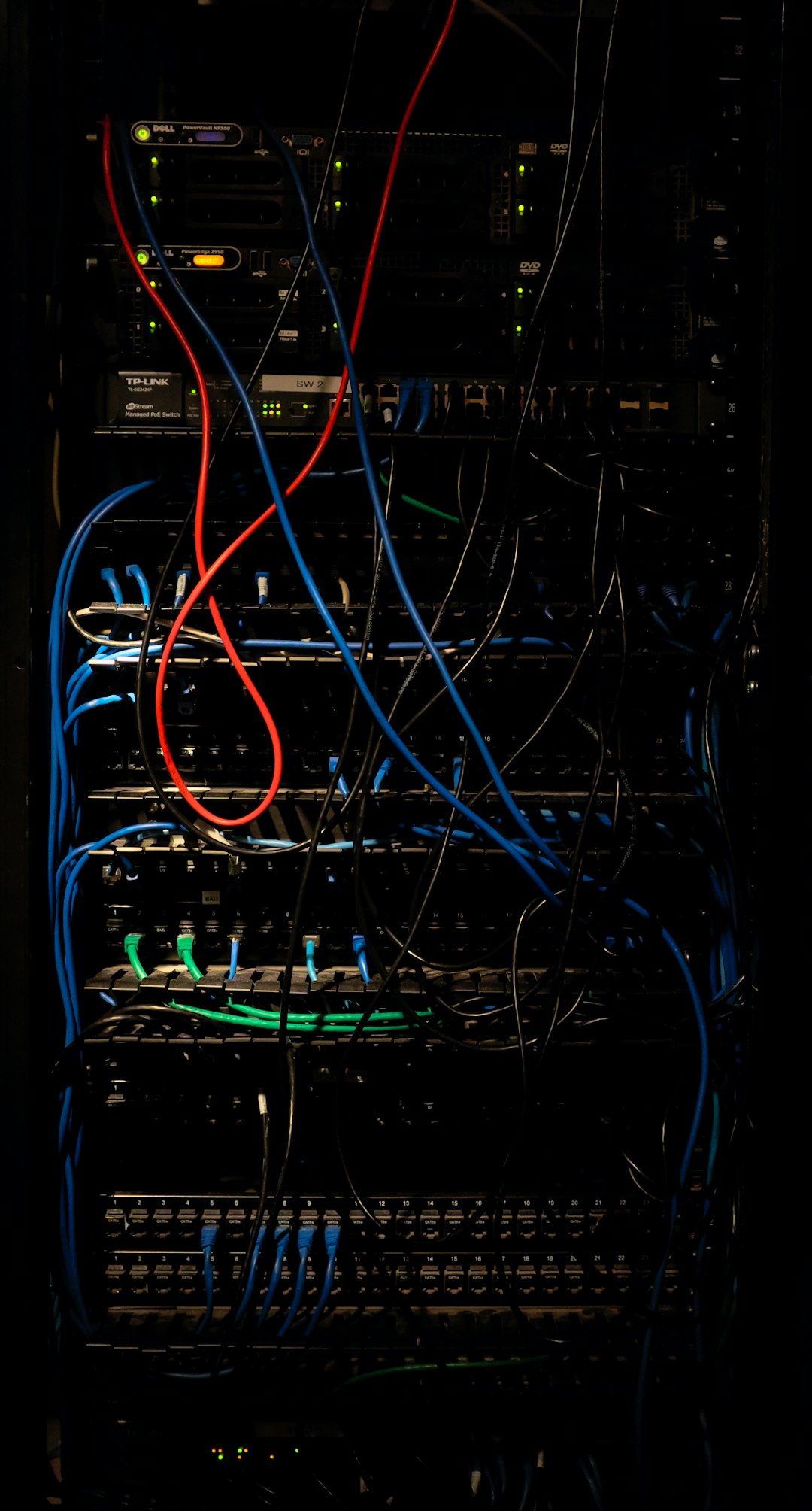
Popular components include:
- Nginx with RTMP module
- FFmpeg for transcoding
- HLS and DASH packaging tools
- Custom monitoring dashboards
Advantages:
- Maximum control over pipeline and costs
- No vendor lock-in
- Customization at every layer
Trade-offs:
- Operational overhead
- Scaling challenges
- Responsibility for security and uptime
7. Brightcove
Brightcove is a premium enterprise video platform used by major media brands. It offers comprehensive video management, monetization, and analytics capabilities.
Why enterprises choose Brightcove:
- Advanced analytics and insights
- Advertising integrations
- Enterprise-grade compliance and security
Considerations: Higher cost structure and longer onboarding cycles compared to lighter-weight alternatives.
Comparison Chart
| Platform | Best For | Scalability | Customization | Ease of Setup | Pricing Complexity |
|---|---|---|---|---|---|
| AWS Media Services | Custom enterprise pipelines | Very High | Very High | Moderate to Complex | Variable |
| Cloudflare Stream | Simple global delivery | High | Moderate | Easy | Predictable |
| Google Cloud Media | AI-driven workflows | Very High | High | Moderate | Variable |
| Vimeo OTT | Subscription businesses | High | Low to Moderate | Easy | Tiered |
| Wowza | Live streaming | High | High | Moderate | Variable |
| Self-Hosted Stack | Full control deployments | Depends on Setup | Maximum | Complex | Infrastructure Based |
| Brightcove | Large enterprises | Very High | High | Moderate | Premium |
Key Factors Developers Consider When Choosing an Alternative
Choosing a video delivery stack is rarely about feature comparison alone. Most teams evaluate platforms based on:
- Latency requirements (especially for live and interactive video)
- Geographic distribution needs
- Cost predictability
- Security and DRM support
- Developer API quality
- Analytics depth and observability
In many cases, organizations even combine tools—using one provider for encoding, another for storage, and a third for delivery—to optimize performance and costs.
Managed vs. DIY: A Strategic Decision
The fundamental distinction among alternatives is managed convenience versus infrastructure ownership. Fully managed platforms reduce engineering burden but may limit flexibility. DIY stacks offer deep control but require operational maturity.
For startups, rapid time-to-market often outweighs architectural control. For enterprises, regulatory compliance and integration with legacy systems frequently drive decision-making.
Final Thoughts
While Mux provides a balanced and developer-friendly solution, it exists within a robust ecosystem of alternatives. AWS and Google Cloud deliver powerful modular flexibility. Cloudflare Stream simplifies global distribution. Vimeo and Brightcove support monetization-focused media companies. Wowza excels in live scenarios. Open-source stacks offer unmatched control for technically mature teams.
Ultimately, the decision is not about finding a universal replacement—it is about aligning streaming infrastructure with product goals, growth forecasts, compliance requirements, and engineering capacity. Teams that take the time to evaluate trade-offs carefully can build video delivery systems that are both resilient and future-proof.

