
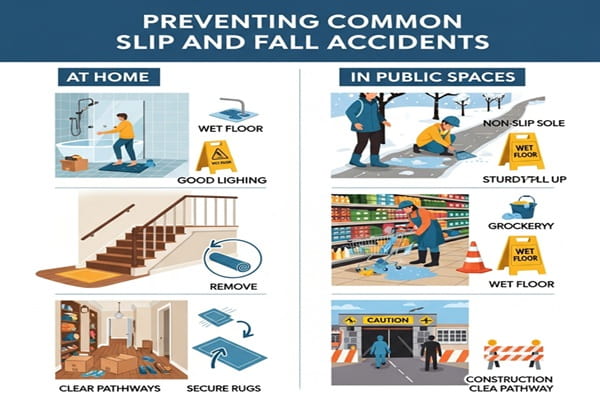
Slip and fall accidents may seem minor at first glance, but anyone who has experienced one knows how quickly a simple misstep can lead to pain, stress, medical bills, or even long-term injuries. The good news? Most of these incidents can be prevented with a bit of awareness and the right habits.
If you’ve ever wondered how to make your home safer, how businesses can reduce risks for visitors, or how technology can play a role in preventing falls, you’re in the right place. This guide walks you through practical, everyday strategies that help keep you—and everyone around you—safe and confident while navigating any space.
Contents
Why Slip-and-Fall Prevention Matters More Than You Think
Slips, trips, and falls affect people of every age and lifestyle. They can happen on a freshly mopped floor, a dim hallway, an uneven sidewalk, or a cluttered living room. While legal help is available after an accident—especially through a trusted slip-and-fall attorney—your first and best shield is prevention.
A few smart safety practices can drastically reduce your risk and create environments that feel secure, supportive, and easy to move through.
Let’s break down the simple changes that make the biggest impact.
1. Transform Your Home Into a Fall-Free Zone
Your home is supposed to be your safe place. But the truth is that most slip-and-fall incidents happen inside familiar spaces because hazards blend into the background. Bringing a bit of intention into your home setup goes a long way.
Clear Pathways and Keep Floors Clutter-Free
Nothing increases fall risk like everyday clutter. Shoes left by the doorway, shopping bags that haven’t been put away, or toys scattered across the hallway all create unnecessary obstacles.
A simple routine helps:
-
Give every item a designated spot.
-
Keep walkways wide and clean.
-
Store frequently used items within easy reach.
-
Wipe up spills as soon as you notice them.
Small actions stack up to create a home that’s comfortable, neat, and safe to move around in.
Improve Lighting in Key Spots
When you can’t see clearly, you can’t move confidently. Shadows hide obstacles, stairs appear flat, and wet floors become harder to notice.
Bright, consistent lighting can make all the difference.
Try upgrading:
-
Stairway lights
-
Hallway fixtures
-
Entryway bulbs
-
Bathroom and bedroom nightlights
These changes are especially helpful for older adults, children, and anyone who moves around the house late at night. Good lighting also plays a role in legal cases—poor visibility is often a major factor in slip-and-fall claims.
Use Non-Slip Mats and Secure Every Rug
Kitchens and bathrooms tend to see the most slip-related injuries because water and smooth surfaces aren’t a great combination.
To reduce risk:
-
Place non-slip mats near sinks, showers, and bathtubs.
-
Add grip pads underneath decorative rugs.
-
Replace rugs that curl at the edges.
-
Keep bathroom and kitchen floors dry.
These small enhancements instantly make your home much safer.
Install Reliable Handrails and Grab Bars
A sturdy handrail or grab bar can prevent dozens of accidents—especially for older family members or anyone with limited mobility.
Consider placing them in:
-
Staircases
-
Bathrooms
-
Near tubs or showers
-
Entry steps
Make sure they’re installed at the right height and checked regularly for stability. What seems like a small home upgrade can be a game-changer for safety.
2. Promote Safer Public Spaces for Everyone
Public areas carry a different set of risks. Weather, foot traffic, and maintenance issues can all increase the chance of slips and falls. Whether you’re a property owner, community leader, or simply someone who cares about safety, your efforts can help protect countless individuals.
Maintain Walkways, Paths, and Stairs
A single loose tile or uneven step can catch someone off guard.
Safe spaces require:
-
Regular inspections
-
Immediate repairs when damage is spotted
-
Clear communication with maintenance teams
-
Accessible channels for reporting hazards
Well-maintained walkways help prevent injuries and keep public spaces welcoming.
Boost Visibility With Better Lighting
Parking lots, stairwells, and community paths often become dangerous simply because they aren’t well lit. Improving visibility helps pedestrians spot hazards like ice, standing water, or cracked pavement.
Easy upgrades include:
-
LED fixtures
-
Motion-sensor lights
-
Solar-powered pathway lights
-
Regular bulb replacements
Even budget-friendly adjustments have a huge impact on reducing accidents.
Use Clear, Attention-Grabbing Signage
Signs are one of the simplest yet most powerful tools for preventing slips and falls.
Effective signage should:
-
Be placed where the hazard starts
-
Use bold lettering
-
Include icons for quick understanding
-
Offer multilingual warnings when necessary
Whether it’s a wet floor, ongoing repair, or temporary obstacle, the right sign keeps everyone alert and aware.
Also Read : Exploring the World of Numbers with www.numberlina.com
3. Use Technology to Stay Safer and More Prepared
Safety isn’t just about physical tools anymore. New technology makes it easier to prevent accidents, respond faster, and gather data that helps communities and businesses improve long-term safety.
Smart Systems Designed for Prevention
Modern devices can detect risks faster than humans sometimes can. These tools are especially helpful in workplaces, public buildings, and high-traffic environments.
Popular solutions include:
-
Spill-detection sensors
-
Smart lighting systems
-
Wearable fall-alert devices
-
AI-enabled hazard monitoring
They help identify risks instantly and notify the right people before an accident happens.
Digital Mapping and Maintenance Apps
Some organizations use apps to track hazards, schedule repairs, and monitor recurring issues. These digital tools simplify communication and allow teams to act before small problems turn into bigger ones.
4. Build a Culture of Safety Through Community Engagement
A safe environment is strongest when it becomes a shared responsibility. When communities learn, participate, and look out for one another, everyone benefits.
Safety Workshops and Awareness Campaigns
Schools, local businesses, and community centers can make a huge impact by spreading awareness.
Common workshop topics include:
-
How to navigate wet or icy surfaces
-
How to create a safer home
-
How to identify maintenance issues
-
How to help someone after a fall
These educational efforts empower people of all ages to take better care of themselves and those around them.
Encouraging Reporting and Feedback
When people feel comfortable pointing out hazards, risks can be addressed quickly. Property owners and community leaders can make this easier by:
-
Creating simple reporting channels
-
Responding quickly to submissions
-
Thanking contributors
-
Sharing updates about completed repairs
A little openness builds trust and increases safety for everyone.
5. What to Do After a Slip-and-Fall Incident
Even with careful prevention, accidents can still happen. Knowing what to do can protect your health and help you understand your legal options.
If you’re injured:
-
Seek medical help immediately
-
Document the scene and the hazard
-
Take photos or videos
-
Collect contact information from witnesses
-
Report the incident to the property owner or manager
-
Reach out to a slip-and-fall attorney for guidance
Legal professionals help you understand your rights and determine whether negligence played a role in the incident.
Conclusion: Small Habits Can Create a Safer Life
Slip-and-fall accidents aren’t always unavoidable, but with consistent safety habits, thoughtful home improvements, community awareness, and helpful technology, the risk goes down dramatically.
Simple choices like clearing clutter, adding better lighting, securing rugs, maintaining walkways, and educating others can make your surroundings comfortable and safe for everyone.
Safety starts with awareness—and every small step brings you closer to preventing the next accident.

