
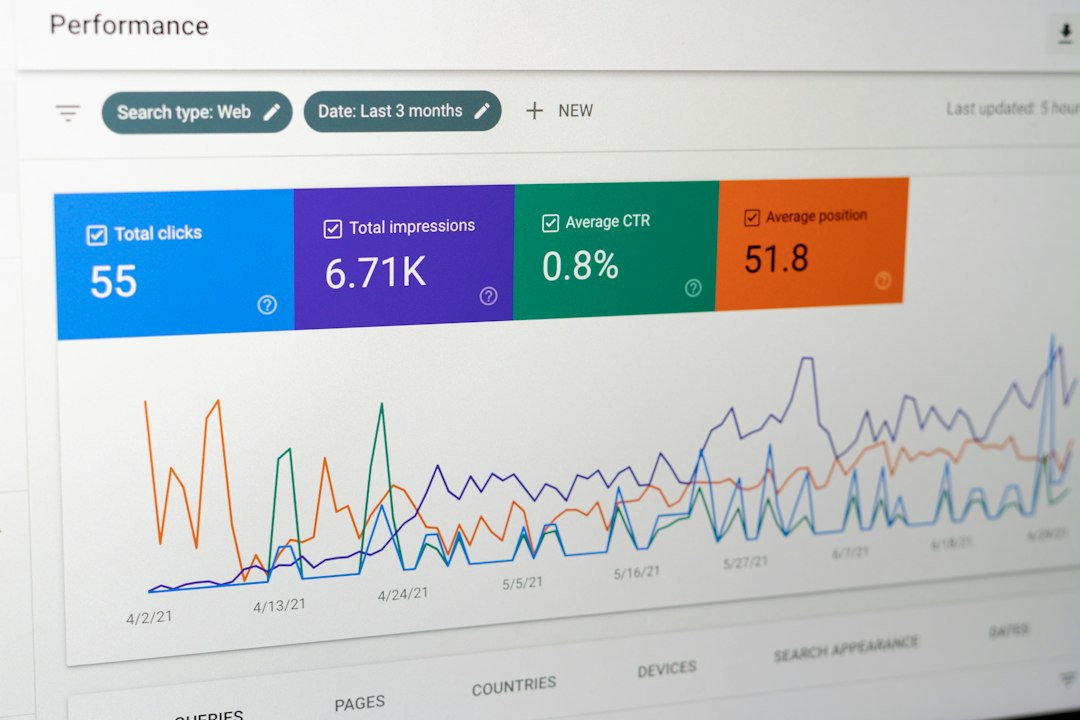
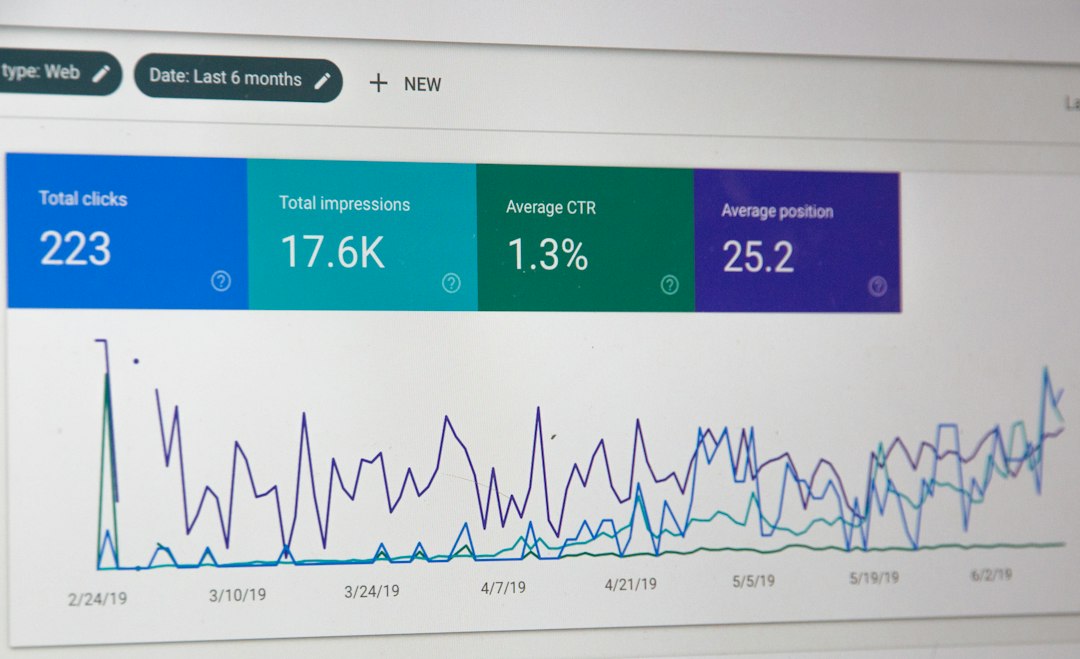
Improve your SEO visibility score by tracking the right keywords, fixing weak pages, and checking rank changes every week. Google says an impression happens when a link to your site appears in search results [source: Google Search Central]. More useful impressions usually mean more chances to win clicks. Ahrefs, Semrush, and SE Ranking all help you spot those chances.
TLDR: Use Semrush if you want the richest SEO toolset. Use Ahrefs if backlinks and content gaps matter most. Use SE Ranking if you want clean rank tracking without a huge bill. Example: if 50 keywords move from positions 11-20 into the top 10, your visibility score can jump fast, often by 20% or more depending on search volume.
Contents
What Is an SEO Visibility Score?
Your SEO visibility score is a simple way to see how visible your site is in Google. It looks at keyword rankings. It also looks at search volume. Some tools estimate click potential too.
Think of it like a video game score. Ranking 3rd for a big keyword gives you more points. Ranking 47th for a tiny keyword gives you almost nothing. Brutal, but fair.
The goal is not to chase the score alone. The goal is to turn better rankings into more clicks, leads, and sales.
Ahrefs vs Semrush vs SE Ranking: Quick Pick
- Ahrefs: Best for backlink checks, content gaps, and competitor research.
- Semrush: Best for full SEO campaigns, PPC data, audits, and reports.
- SE Ranking: Best for rank tracking, agencies on a budget, and simple reports.
Honestly, it feels like each tool hides one great feature behind three extra clicks. Still, they are all useful. You just need to match the tool to the job.
How Ahrefs Helps Improve Visibility
Ahrefs is great when you want to know why competitors beat you. Its keyword tools show ranking gaps. Its backlink data shows who links to them but not you.
Use Ahrefs to:
- Find keywords where you rank from position 4 to 15.
- Update pages that are close to page one.
- Find competitor pages getting traffic.
- Build links to pages that deserve more trust.
- Spot lost backlinks before they hurt you.
The sweet spot is the content gap report. If three competitors rank for a keyword and you do not, that is a clue. Not always a win. But often worth checking.
The annoying part? Some reports can feel heavy. Expect to waste time on filters at first. Once saved, though, they become much easier.
How Semrush Helps Improve Visibility
Semrush is the big toolbox. It tracks rankings. It audits pages. It checks competitors. It helps with content briefs. It even touches paid ads.
Use Semrush to:
- Track your visibility by keyword group.
- Run site audits and fix technical errors.
- Find pages with missing titles or weak meta descriptions.
- Check keyword intent before writing.
- Build reports for clients or bosses.
Semrush is strong for teams. You can group keywords by product, city, service, or funnel stage. That makes the visibility score more useful.
For example, your total score may rise 5%. Nice. But your “money keywords” group may rise 18%. That is the real win. That is where leads may come from.
How SE Ranking Helps Improve Visibility
SE Ranking is friendly. It is not trying to scare you with 400 buttons. Rank tracking is clear. Reports are easy to read. Pricing is often easier for small teams.
Use SE Ranking to:
- Check keyword positions daily or weekly.
- Track local rankings by city or region.
- Watch visibility changes after content updates.
- Share simple reports with clients.
- Compare desktop and mobile rankings.
SE Ranking is a good fit if you care most about tracking progress. It may not feel as deep as Ahrefs or Semrush. But that can be a good thing. Less noise. Fewer “wait, where did that setting go?” moments.
Simple Steps to Raise Your Score
- Pick the right keywords. Track keywords that can bring real buyers, not random traffic.
- Group keywords. Split them by topic, product, location, or intent.
- Fix easy wins first. Start with pages ranking from 4 to 20.
- Improve titles. Add the main keyword and a clear reason to click.
- Refresh old content. Add examples, FAQs, prices, steps, and recent facts.
- Build internal links. Link from strong pages to pages that need a push.
- Earn better links. Aim for links from trusted, relevant sites.
- Check weekly. Do not panic over one bad day.
Small changes can add up. A page moving from position 12 to 8 may not sound huge. But it can change click volume a lot. Repeat that across 30 pages, and your visibility score starts to look less sad.
Which Tool Should You Choose?
Choose Ahrefs if your biggest problem is authority. It is excellent for links and competitor gaps.
Choose Semrush if you want one tool for many SEO tasks. It is the best all-rounder for bigger campaigns.
Choose SE Ranking if you want simple rank tracking and clean reports. It is great for small businesses, freelancers, and lean agencies.
Image not found in postmetaBest Workflow for Better Visibility
Here is a simple weekly routine:
- Monday: Check keyword winners and losers.
- Tuesday: Update two pages ranking on page two.
- Wednesday: Add internal links to those pages.
- Thursday: Review competitor pages that gained rankings.
- Friday: Note what changed. Keep what worked.
Do this for 8 weeks. Do not jump between tools every two days. That drives people mad. Pick one main tool, set clean keyword groups, and act on the data.
Final pick: Semrush for most teams. Ahrefs for link-heavy SEO. SE Ranking for simple tracking. The tool matters. But the habit matters more. Track, fix, publish, link, repeat.

