
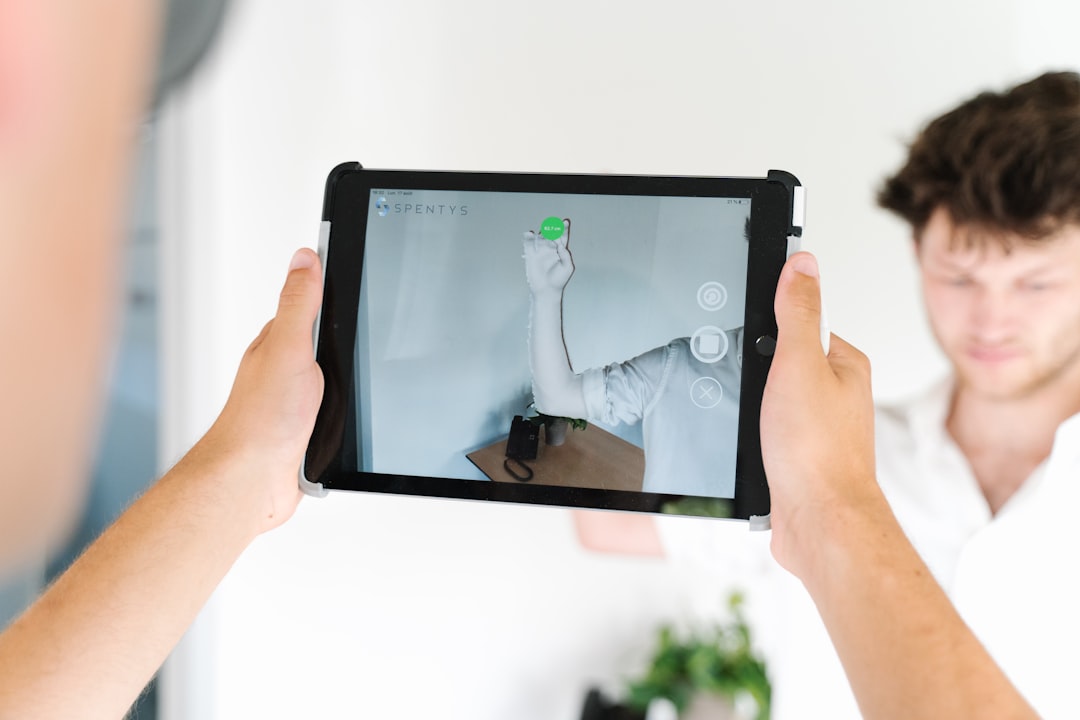
Augmented Reality (AR) is no longer confined to gaming and entertainment. In recent years, it has transformed how businesses provide technical support, training, and field service. AR remote assistance apps like Vuforia Chalk are redefining real-time collaboration by allowing experts to visually guide on-site workers using live annotations layered directly onto real-world environments. These tools reduce downtime, cut travel costs, and improve first-time fix rates across industries.
TLDR: AR remote assistance apps such as Vuforia Chalk enable experts to provide real-time, visual guidance using augmented reality overlays. By combining live video, spatial annotations, and mobile accessibility, these platforms dramatically streamline troubleshooting and maintenance tasks. Companies benefit from faster issue resolution, reduced travel expenses, and improved training outcomes. As the technology evolves, AR remote support is becoming a core tool for modern field service operations.
Contents
- 1 What Are AR Remote Assistance Apps?
- 2 Why Businesses Are Turning to AR Remote Support
- 3 Key Features of Apps Like Vuforia Chalk
- 4 Popular AR Remote Assistance Tools
- 5 How Vuforia Chalk Sets the Standard
- 6 Real-World Use Cases
- 7 Benefits Beyond Troubleshooting
- 8 The Role of AR Wearables
- 9 Challenges to Consider
- 10 The Future of Real-Time AR Support
- 11 Conclusion
What Are AR Remote Assistance Apps?
AR remote assistance applications allow geographically separated users to collaborate in real time using a smartphone, tablet, or AR headset. Through a live video feed, a remote expert can see exactly what the on-site worker sees. More importantly, they can draw, highlight, and anchor visual instructions directly onto physical objects in the environment.
Instead of describing a component verbally—“Look at the valve on your left, below the pipe”—an expert can circle the exact valve in the camera view. These annotations remain spatially fixed, even as the device moves, creating a seamless blend of digital guidance and physical reality.

Most platforms rely on:
- Computer vision to track surfaces and objects
- Cloud connectivity for real-time communication
- Mobile cameras and sensors for environmental mapping
- Secure data transmission for enterprise use
The result is an interactive support experience that feels far more intuitive than a standard video call.
Why Businesses Are Turning to AR Remote Support
Industries such as manufacturing, healthcare, energy, telecommunications, and field services face similar challenges: complex equipment, skilled labor shortages, and geographically dispersed assets.
AR remote assistance addresses these pain points by offering:
- Reduced travel costs: Experts can assist remotely instead of flying to job sites.
- Faster issue resolution: Visual guidance shortens troubleshooting time.
- Improved first-time fix rates: Technicians receive precise step-by-step support.
- Enhanced training: New employees learn interactively.
- Knowledge capture: Sessions can be recorded for documentation and reuse.
For many organizations, the return on investment becomes apparent within months of deployment.
Key Features of Apps Like Vuforia Chalk
While individual platforms vary, the most effective AR remote assistance tools share several core capabilities.
1. Spatially Anchored Annotations
Unlike traditional drawing tools on video calls, AR platforms anchor notes and sketches directly to physical objects. If a technician moves the device, the annotation remains locked to its real-world position.
2. Multi-Device Compatibility
Leading apps function on smartphones, tablets, and AR headsets. This flexibility allows organizations to scale adoption without heavy hardware investments.
3. Real-Time Voice and Video Communication
High-quality audio and low-latency video are critical for seamless collaboration. Many enterprise-grade platforms are optimized for varying bandwidth conditions.
4. Session Recording and Documentation
Captured sessions can serve as training materials or compliance records. This transforms one-time troubleshooting into reusable institutional knowledge.
5. Enterprise Security and Integration
Secure encryption, access control, and integration with existing systems (CRM, ERP, ticketing software) make AR tools viable for large organizations.
Popular AR Remote Assistance Tools
Several platforms stand out in the AR remote support landscape. Below is a comparison of some widely recognized solutions.
| Platform | Core Strength | Best For | Device Support | Notable Feature |
|---|---|---|---|---|
| Vuforia Chalk | Stable spatial annotations | Industrial maintenance | iOS, Android | Persistent AR markups in motion |
| TeamViewer Assist AR | Enterprise connectivity | IT support and field service | Mobile, smart glasses, desktop | Strong remote control options |
| Microsoft Dynamics 365 Remote Assist | Deep enterprise integration | Large enterprises | HoloLens, mobile | Microsoft ecosystem integration |
| Scope AR | Work instruction focus | Training and onboarding | Mobile, AR wearables | Interactive step-by-step workflows |
Each solution addresses slightly different enterprise needs, but all leverage augmented reality to enhance remote collaboration.
How Vuforia Chalk Sets the Standard
Vuforia Chalk is often cited as a benchmark in AR remote assistance due to its simplicity and robustness. Its defining capability is the way annotations “stick” to real-world surfaces with impressive stability, even when users move around.
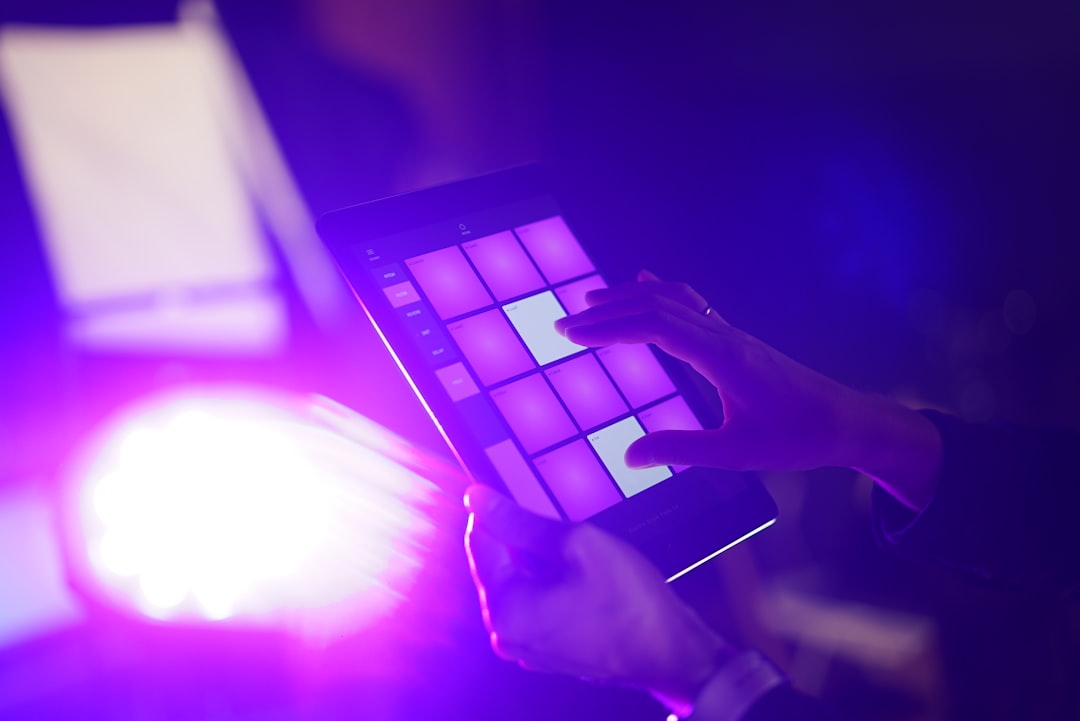
This spatial stability is powered by advanced computer vision algorithms that detect and track environmental features. The result is an intuitive experience: the expert draws an arrow toward a switch, and the arrow remains fixed in place as the camera shifts.
Other strengths include:
- Quick onboarding with minimal setup
- No specialized hardware required
- Secure cloud infrastructure
- Interactive two-way collaboration
For organizations new to AR, ease of use is often the deciding factor—and Vuforia Chalk delivers an accessible entry point.
Real-World Use Cases
Manufacturing
Factory equipment is complex and expensive to repair incorrectly. When a production line stops, every minute counts. AR remote assistance allows engineers to guide on-site technicians precisely, minimizing costly downtime.
Healthcare
Medical device manufacturers use AR tools to help hospital staff troubleshoot specialized equipment. Remote experts can visually direct adjustments, reducing delays in patient care.
Telecommunications
Field technicians installing network infrastructure benefit from real-time overlays showing connection points and proper cabling configurations.
Energy and Utilities
Utility workers dealing with remote or hazardous infrastructure can receive guidance without requiring expert travel to potentially dangerous sites.
Benefits Beyond Troubleshooting
Although remote repair is a primary use case, AR tools extend much further.
- Remote inspections for quality assurance
- Customer support that visually guides end users
- Onboarding programs for new employees
- Audit documentation with recorded visual evidence
Over time, companies often discover secondary benefits that justify expanding AR initiatives across departments.
The Role of AR Wearables
While smartphones and tablets dominate usage, AR smart glasses are gaining traction. Hands-free operation is particularly useful in environments where technicians need both hands available.
Image not found in postmetaWearable AR devices allow:
- Continuous workflow without holding a device
- Improved safety compliance
- Enhanced efficiency in physically demanding tasks
As hardware becomes lighter and more affordable, wearable-based AR assistance is expected to grow significantly.
Challenges to Consider
Despite its advantages, AR remote assistance is not without challenges.
- Network reliability: Poor connectivity can affect performance.
- User adoption: Technicians may require initial training.
- Data security: Sensitive environments demand strict compliance standards.
- Hardware limitations: Older devices may not support advanced AR features.
Organizations must evaluate infrastructure readiness before full-scale deployment.
The Future of Real-Time AR Support
The evolution of 5G networks, artificial intelligence, and more capable mobile processors is rapidly enhancing AR capabilities. Future AR remote assistance apps may integrate:
- AI-driven object recognition to automatically identify components
- Predictive maintenance insights layered over equipment
- Integration with digital twins for 3D model overlays
- Automated step-by-step guidance triggered by detected issues
As digital transformation accelerates, AR remote support will likely become standard practice rather than an optional innovation.
Conclusion
AR remote assistance apps like Vuforia Chalk demonstrate how augmented reality can deliver practical, measurable value in business environments. By enabling experts to provide real-time, visually anchored guidance, these tools eliminate communication barriers and dramatically improve support efficiency.
From factory floors to healthcare facilities, AR-powered collaboration is reshaping how organizations solve problems. As technology advances and adoption continues to grow, real-time AR support will play an increasingly vital role in keeping operations running smoothly—no matter where expertise is located.

