
Choose a reputation recovery provider only after you see their process, proof, ethics, and reporting standards in writing. Public figures cannot afford vague promises, fake reviews, or “guaranteed removal” pitches. A serious provider should reduce risk, correct false information, improve search results, and prepare the public figure for the next attack.
TLDR: Reputation recovery works best when it combines search cleanup, truthful content, media strategy, legal review, and monitoring. For example, a public figure with three negative articles on page one of Google may need 90 to 180 days to move balanced profiles, interviews, and verified assets into stronger positions. In one realistic case, a provider might aim to increase positive or neutral first-page results from 40% to 75% within six months. Avoid any agency that promises instant deletion or uses fake engagement.
Contents
What Reputation Recovery Really Means
Reputation recovery is not reputation “washing.” That matters. The goal is not to erase every criticism or bury legitimate public concern. The goal is to make sure the public record is accurate, fair, complete, and current.
For public figures, the stakes are higher than they are for private individuals. A singer, founder, athlete, author, elected official, or media personality may face search results that shape contracts, votes, sponsorships, bookings, and safety. One viral claim can create months of damage. One outdated article can keep ranking long after the facts changed.
A competent provider will first separate problems into categories:
- False claims that may require correction requests or legal review.
- Outdated stories that need fresh context and stronger current content.
- Legitimate criticism that calls for response, accountability, or silence.
- Search visibility issues where weak official assets allow hostile pages to rank.
- Social media threats that require monitoring, documentation, and platform reports.
How to Evaluate a Provider
Start with their intake process. A good firm will ask hard questions before selling anything. They should review search results, news coverage, social profiles, images, videos, forums, knowledge panels, and common autocomplete suggestions. They should also ask what is true, what is disputed, and what cannot be discussed publicly.
Be careful if a provider says, “We can fix this in two weeks.” Some tasks move quickly, such as correcting a wrong bio on an owned profile. Search recovery usually takes longer. For serious cases, 90 days is often the first meaningful checkpoint, not the finish line.
Ask these questions before signing:
- What exactly will you do in the first 30 days?
- Which assets will you create or improve?
- Do you use fake reviews, fake accounts, or paid comment networks?
- How do you handle journalists and correction requests?
- Will legal counsel review risky claims?
- What metrics will you report each month?
- Who owns the content and accounts after the contract ends?
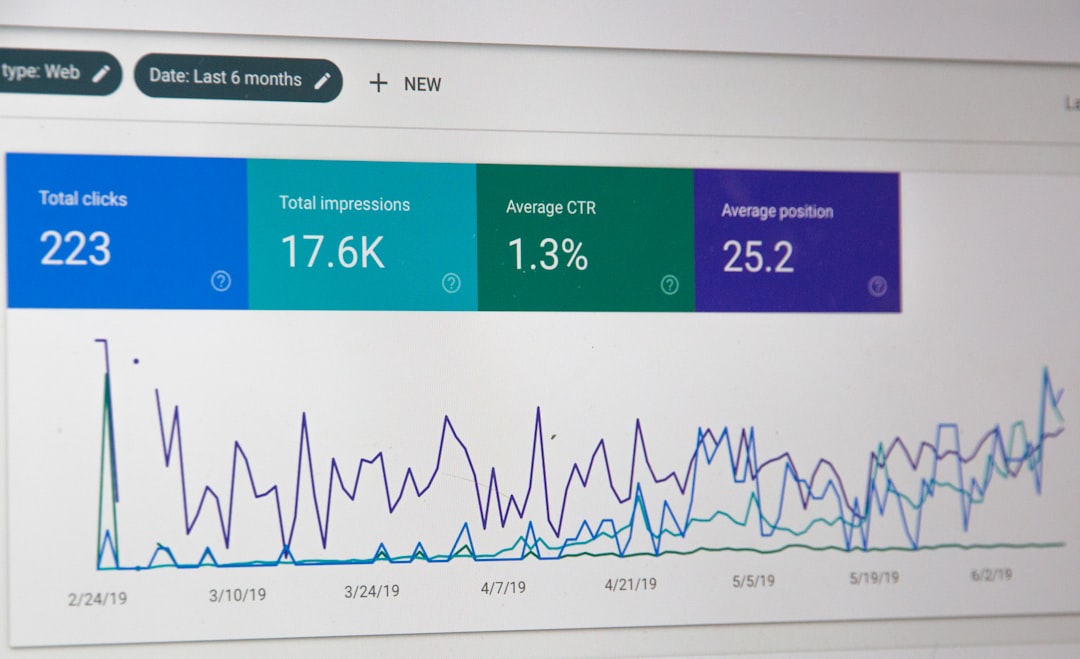
It drives me crazy when firms show a glossy dashboard but cannot explain what changed. A report that takes 8 seconds to skim and says “sentiment improved” is not enough. You need screenshots, ranking positions, page URLs, dates, content status, and clear next steps.
Signals of a Trustworthy Reputation Recovery Firm
A serious provider will be comfortable saying “no.” They will not promise to remove court records they cannot remove. They will not create fake biographies. They will not attack critics through anonymous accounts. Shortcuts can create a second scandal.
Look for these signs:
- Transparent scope: You know what is included and what costs extra.
- Ethical methods: No fake followers, fake news sites, or impersonation.
- Editorial quality: Content sounds credible, not stuffed with keywords.
- Legal coordination: Defamation, privacy, and copyright issues are reviewed properly.
- Crisis experience: The team can handle pressure from press, fans, critics, and partners.
- Measured expectations: They explain risk rather than selling certainty.
Ask for anonymized case studies. Public figures often require confidentiality, so you may not get names. That is normal. Still, the provider should explain the problem, timeline, actions, and measurable result.
Online Reputation Tactics That Actually Help
Search engine repair is usually the core work. The provider improves official websites, biographies, interviews, speaker pages, social profiles, video channels, and trusted third-party features. The aim is to give search engines better material to rank.
Content development should be factual and useful. Strong examples include a current biography, verified career timeline, charitable work page, podcast appearances, award pages, published essays, and professional profiles. Thin content rarely helps. Search engines can tell when pages exist only to occupy space.
Media relations can help when handled with care. A thoughtful interview may correct outdated perceptions. A rushed statement can make things worse. The provider should know when to speak, when to wait, and when a short written response is safer.
Correction requests matter when articles contain errors. These requests should be precise. Include the claim, the issue, the evidence, and the requested change. Angry messages to editors usually fail. Calm documentation works better.
Owned asset cleanup is often ignored. Honestly, it feels like teams waste weeks chasing hostile posts while the public figure’s own site has an outdated bio, broken press contact, and low-quality headshot. Fix the assets you control first.
Social listening helps detect flare-ups early. A provider should track spikes in mentions, common claims, influential accounts, and recurring falsehoods. For high-risk figures, alerts should be reviewed daily during a crisis.
Risky Tactics to Avoid
Some tactics sound tempting. They can backfire badly.
- Fake reviews: They may violate platform rules and damage credibility.
- Mass takedown threats: Weak legal threats can attract more coverage.
- Low-quality press releases: These rarely rank well for long.
- Anonymous smear campaigns: They are risky, unethical, and often traceable.
- Keyword-stuffed content: It looks desperate and can hurt trust.
- Paid “news” sites with no audience: They may vanish or get deindexed.
A provider should protect both reputation and credibility. If the tactic would look bad on the front page of a newspaper, do not use it.
Metrics That Should Be in Monthly Reports
Reputation work needs measurement. Perfect measurement is hard, but serious reporting is possible.
Track at least these items:
- Search result positions for the public figure’s name and related phrases.
- Share of positive, neutral, and negative results on page one and page two.
- Sentiment trends across news, social, video, and forums.
- Content published or updated, with URLs and dates.
- Correction requests sent and responses received.
- Threat or misinformation incidents with evidence preserved.
- Traffic and engagement on official assets.
A useful report might say: “Negative page-one results decreased from five to two over 120 days. Neutral or positive assets increased from four to seven. The official biography moved from position eight to position two.” That is clear. That is accountable.

Pricing and Contract Terms
Reputation recovery for public figures is rarely cheap. Monthly retainers can vary widely based on risk, media attention, content needs, and legal coordination. A local public figure may need a smaller program. A national figure under active press scrutiny may need a full crisis team.
Read the contract carefully. Watch for vague deliverables such as “online cleanup” with no detail. Confirm who approves content. Confirm confidentiality duties. Confirm cancellation terms. Also confirm account ownership. The public figure, not the vendor, should control core domains, profiles, and published assets.
Final Selection Checklist
Before hiring, compare at least two or three providers. Do not shop only on price. The cheapest firm may use risky tactics. The most expensive firm may still offer weak execution.
- Pick the team that gives the clearest diagnosis.
- Demand ethical written methods.
- Require monthly reporting with real URLs and rankings.
- Make sure legal, PR, and search tactics work together.
- Avoid guarantees that sound too clean.
Reputation recovery is steady work. It takes judgment, patience, and proof. For public figures, the best provider is not the one promising silence from critics. It is the one building a stronger, more accurate public record that can stand up to scrutiny.

