

In recent years, 3D modeling software has evolved from a specialized tool used by engineers and animators into a dynamic, real-time creative environment accessible to artists, architects, game developers, product designers, and hobbyists alike. With powerful rendering engines, intuitive interfaces, and instant feedback loops, modern 3D tools allow creators to see their ideas come to life as they build them. The result is faster workflows, richer collaboration, and a more immersive creative process.
TL;DR: Real-time 3D modeling software enables creators to design, visualize, and modify complex scenes with instant visual feedback. These tools are transforming industries like gaming, product design, architecture, and media production. With features such as live rendering, physics simulation, and collaborative environments, modern platforms make creation faster and more intuitive. Choosing the right tool depends on your goals, skill level, and workflow needs.
Contents
- 1 What Makes Real-Time 3D Modeling So Powerful?
- 2 Industries Transformed by Real-Time 3D
- 3 Popular Real-Time 3D Modeling Tools
- 4 Comparison Chart
- 5 Key Features to Look For
- 6 How Real-Time Tools Empower Creativity
- 7 The Rise of Immersive Technologies
- 8 Challenges and Considerations
- 9 The Future of Real-Time 3D Creation
- 10 Final Thoughts
What Makes Real-Time 3D Modeling So Powerful?
Traditional 3D workflows often involved lengthy rendering times, where artists would wait minutes—or even hours—to see final results. Today’s real-time engines drastically reduce that delay. Changes to lighting, textures, geometry, or materials are reflected instantly, empowering creators to experiment freely.
Key advantages of real-time 3D modeling include:
- Instant visual feedback for faster iteration
- Interactive lighting and shading adjustments
- Live physics simulations for realism
- Collaborative tools for team-based workflows
- Cross-platform deployment for games, VR, AR, and web
This immediate responsiveness doesn’t just increase efficiency—it enhances creativity. When artists can tweak a surface or reposition a light source and instantly see the impact, they’re more likely to explore bold ideas.
Image not found in postmetaIndustries Transformed by Real-Time 3D
The influence of real-time 3D modeling software spans far beyond entertainment. Its adoption continues to grow across diverse industries:
1. Game Development
Game engines rely heavily on real-time modeling and rendering. Developers can test environments, animations, and interactive mechanics without leaving the design platform. This integration dramatically streamlines production pipelines.
2. Architecture and Interior Design
Architects can now build immersive walkthroughs of buildings before a single brick is laid. Clients can experience spaces in virtual reality, explore lighting changes throughout the day, and request modifications in real time.
3. Product Design and Manufacturing
Engineers and product designers use 3D modeling tools to prototype digitally. Real-time rendering allows teams to refine form, materials, and ergonomics quickly, reducing the need for costly physical prototypes.
4. Film and Virtual Production
Virtual sets powered by real-time engines allow filmmakers to preview complex scenes instantly. This technology is increasingly used in large-scale productions where actors perform against digital environments displayed on LED walls.
Popular Real-Time 3D Modeling Tools
While many tools offer 3D capabilities, some platforms stand out for their strong real-time performance, versatility, and industry adoption. Below are several widely used solutions:
Blender
- Open-source and free
- Real-time rendering via Eevee engine
- Extensive modeling, animation, and sculpting tools
- Strong community support
Unreal Engine
- Advanced real-time rendering and photorealism
- Used in games, film, architecture, and automotive industries
- Powerful lighting systems and visual scripting tools
- Supports virtual production workflows
Unity
- Real-time 3D development platform
- Ideal for interactive applications and AR/VR experiences
- Strong asset store ecosystem
- Flexible deployment options
Autodesk Maya
- Industry-standard for animation and modeling
- Viewport 2.0 offers real-time feedback
- Extensive plugin and customization support
SketchUp
- User-friendly for architectural modeling
- Real-time visualization through plugins
- Great for beginners and conceptual designers
Comparison Chart
| Software | Best For | Skill Level | Real-Time Strength | Pricing Model |
|---|---|---|---|---|
| Blender | General 3D creation | Beginner to Advanced | Strong real-time rendering with Eevee | Free, open-source |
| Unreal Engine | Games, film, architecture | Intermediate to Advanced | High-end photorealistic rendering | Free with royalty model |
| Unity | Interactive apps, AR VR | Beginner to Advanced | Excellent interactive real-time engine | Free and paid tiers |
| Autodesk Maya | Animation and film production | Advanced | Strong viewport performance | Subscription-based |
| SketchUp | Architecture and interiors | Beginner | Moderate, enhanced via plugins | Free and subscription versions |

Key Features to Look For
Choosing the right 3D modeling software requires understanding which features matter most for your project. Here are some important considerations:
- Real-time rendering engine: Ensure it provides accurate lighting, reflections, and shadows.
- Material editing: Physically based rendering (PBR) support improves realism.
- Simulation tools: Physics, cloth, and particle systems enhance dynamic scenes.
- Asset libraries: Built-in or marketplace assets save development time.
- Collaboration support: Cloud-based sharing and version control enable teamwork.
- Export capabilities: Compatibility with game engines, printers, or AR devices.
As projects become more complex, performance optimization is also crucial. Efficient geometry handling and intelligent lighting systems allow scenes to remain responsive, even with detailed models.
How Real-Time Tools Empower Creativity
One of the most exciting aspects of modern 3D modeling tools is their ability to democratize design. Artists no longer need expensive render farms or highly specialized training to produce professional-level visuals.
For example:
- An indie game developer can prototype a new level and test gameplay within hours.
- An interior designer can experiment with materials and lighting during a live client presentation.
- A product designer can iterate through multiple variations in a single afternoon.
The creative feedback loop shrinks dramatically. Instead of conceptualizing → modeling → rendering → waiting, the entire process becomes fluid and exploratory.
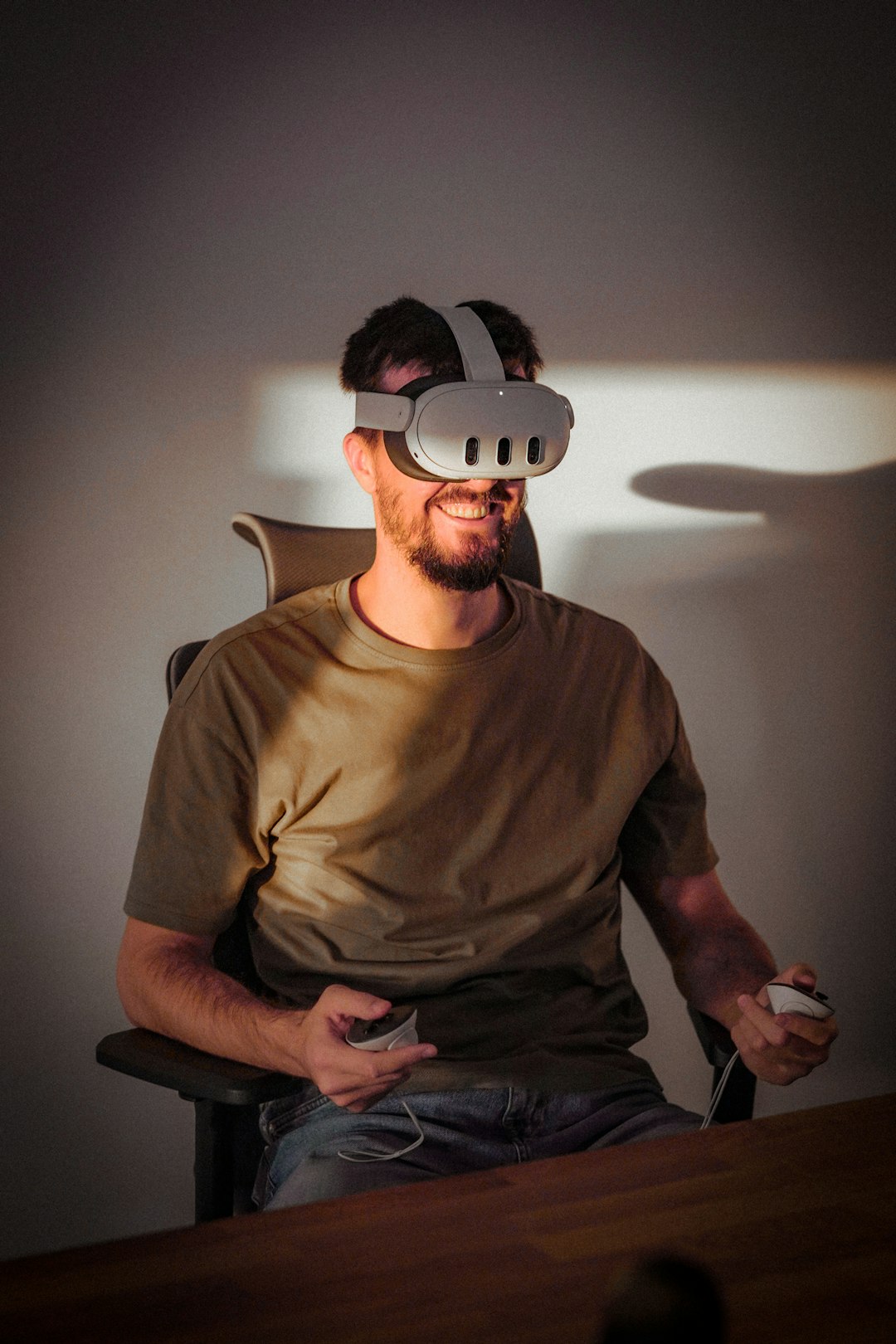
The Rise of Immersive Technologies
Real-time 3D modeling plays a vital role in emerging technologies like virtual reality (VR), augmented reality (AR), and mixed reality (MR). These immersive experiences depend on responsive environments that adapt instantly to user interactions.
Designers can now step inside their creations—literally. Architects walk through unbuilt homes. Engineers inspect digital machinery at full scale. Game designers test immersive worlds from a player’s perspective.
This shift fundamentally changes how we evaluate design choices. Instead of imagining scale or movement, creators experience it firsthand.
Challenges and Considerations
Despite its advantages, real-time 3D modeling comes with challenges:
- High-performance hardware may be required for complex scenes.
- Learning curves can be steep for advanced tools.
- Real-time rendering may sacrifice some detail compared to offline rendering.
However, rapid advancements in GPU technology and engine optimization continue to close the quality gap between real-time and traditional rendering methods.
The Future of Real-Time 3D Creation
As hardware grows more powerful and software more intelligent, the line between reality and digital simulation continues to blur. Artificial intelligence is now being integrated into 3D workflows, assisting with:
- Automated retopology and mesh optimization
- Texture generation and material suggestions
- Procedural environment creation
- Motion capture cleanup and animation refinement
Cloud-based rendering and browser-powered 3D applications are also expanding access. Soon, advanced 3D design may require nothing more than a stable internet connection.
Final Thoughts
Real-time 3D modeling software has redefined what’s possible in digital creation. By delivering immediate visual feedback, immersive interactivity, and collaborative flexibility, these tools put unprecedented creative power into the hands of designers across industries. Whether you’re building a video game, designing a skyscraper, prototyping a gadget, or crafting a virtual film set, real-time technology enables you to create boldly—and see your vision unfold instantly.
As innovation continues, one thing is clear: the future of creative work is not just three-dimensional—it’s interactive, immersive, and alive in real time.

