

Remote video editing has moved from a niche freelance option to a mainstream career path. By 2026, companies of every size are expected to rely even more on distributed creative teams, short-form video, AI-assisted workflows, and global content production. For video editors, this creates a wider range of remote opportunities than ever before, from social media editing to high-end post-production roles.
TLDR: The best remote video editor jobs in 2026 are likely to be found in social media content, YouTube production, corporate video, podcast editing, advertising, online education, and AI-assisted post-production. Editors with strong storytelling skills, fast turnaround times, and knowledge of tools such as Premiere Pro, DaVinci Resolve, Final Cut Pro, After Effects, and AI video platforms will have the strongest advantage. The most competitive professionals will combine technical editing ability with motion graphics, sound design, color correction, and platform-specific content strategy.
Contents
- 1 Why Remote Video Editing Will Remain in Demand in 2026
- 2 1. Remote Social Media Video Editor
- 3 2. Remote YouTube Video Editor
- 4 3. Remote Podcast Video Editor
- 5 4. Remote Corporate Video Editor
- 6 5. Remote E-Learning and Course Video Editor
- 7 6. Remote Advertising and Performance Creative Editor
- 8 7. Remote Motion Graphics Video Editor
- 9 8. Remote Film, Documentary, and Narrative Editor
- 10 9. Remote Gaming Video Editor
- 11 10. Remote AI-Assisted Video Editor
- 12 Where Remote Video Editors Can Find Jobs in 2026
- 13 Skills That Will Help Video Editors Get Hired
- 14 How Much Can Remote Video Editors Earn in 2026?
- 15 Conclusion
- 16 FAQ
Why Remote Video Editing Will Remain in Demand in 2026
Video remains one of the strongest formats for communication, marketing, education, and entertainment. Businesses want product videos, influencers need constant social content, educators require lesson materials, and media brands publish across multiple platforms at once. Because editing work can be completed digitally, it fits naturally into remote and hybrid workflows.
By 2026, the remote video editor’s role is expected to become more specialized. Instead of simply cutting footage together, editors may be responsible for story pacing, visual branding, captions, aspect ratio adaptation, audio cleanup, thumbnail coordination, and AI-enhanced editing workflows. This makes the field more competitive, but also more rewarding for editors who build a broad skill set.
1. Remote Social Media Video Editor
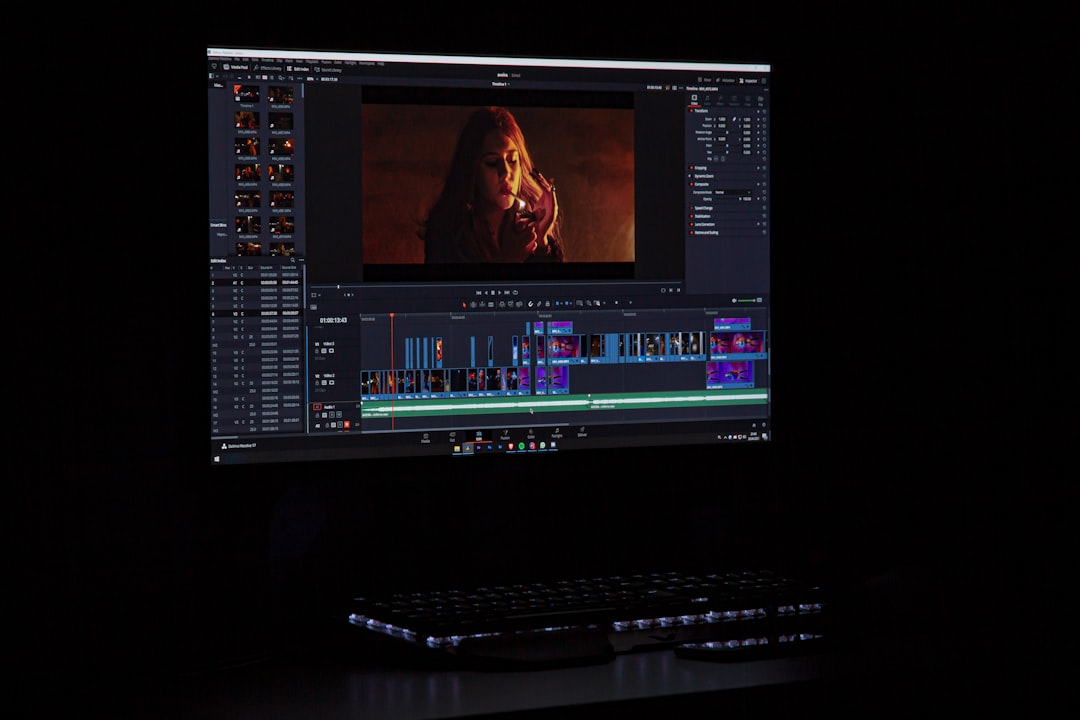
One of the best remote video editor jobs available in 2026 is likely to be the social media video editor. This role focuses on creating short-form videos for platforms such as TikTok, Instagram Reels, YouTube Shorts, LinkedIn, Facebook, and emerging video-first networks.
Social media editors usually work with influencers, agencies, e-commerce brands, coaches, startups, and media companies. Their work often includes cutting raw footage into punchy clips, adding captions, integrating music, inserting graphics, and optimizing videos for retention.
Key skills for this role include:
- Fast editing and quick turnaround times
- Understanding of hooks, pacing, and audience retention
- Caption and subtitle styling
- Vertical video formatting
- Basic motion graphics and sound effects
This job is ideal for editors who enjoy trends, fast-moving content, and measurable performance. Since brands need consistent posting schedules, skilled social media editors may find steady monthly retainers.
2. Remote YouTube Video Editor
YouTube editing remains one of the strongest remote opportunities because creators and companies increasingly treat YouTube as a long-term business asset. A remote YouTube video editor may work on educational videos, vlogs, documentaries, reviews, interviews, gaming content, finance channels, health content, or entertainment videos.
The best YouTube editors understand more than software. They understand viewer retention, storytelling structure, pacing, jump cuts, B-roll usage, sound design, and visual pattern interruption. A strong editor can turn a long recording into a clear, engaging video that keeps viewers watching.
Many YouTube editors also create short clips from long-form content. This makes the role especially valuable because one recording can become a full YouTube episode, several Shorts, social media teasers, and promotional clips.
In 2026, YouTube editors who can also advise on content structure, title timing, thumbnail moments, and analytics may be able to charge premium rates.
3. Remote Podcast Video Editor
Video podcasting has grown rapidly, and by 2026 it is expected to remain a strong source of remote editing jobs. Businesses, creators, thought leaders, and media networks often record long conversations that need to be transformed into polished episodes and short promotional clips.
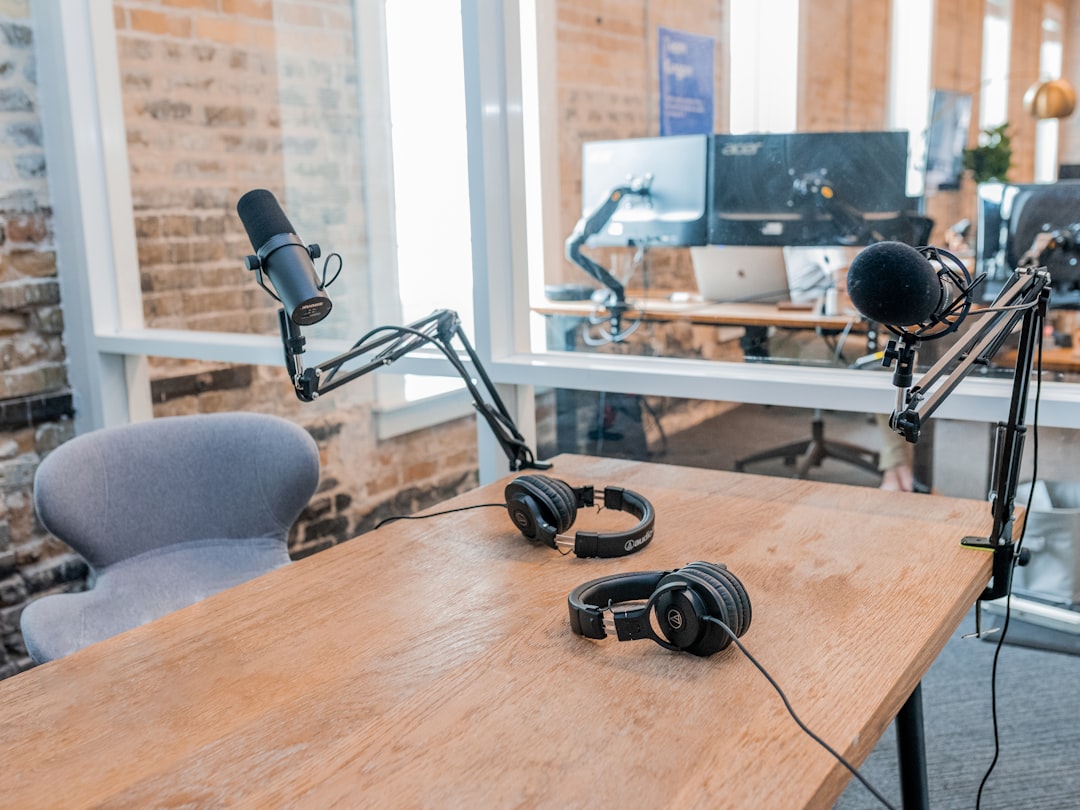
A remote podcast video editor typically handles multicam editing, audio synchronization, noise reduction, lower thirds, branded intros, captions, and clip selection. The editor may also produce vertical highlights for social media.
This role is especially suited for editors who are patient, organized, and strong with audio. Podcast footage can be long, so editors must know how to find the most valuable moments and remove pauses, filler words, technical issues, and awkward transitions without making the conversation feel unnatural.
4. Remote Corporate Video Editor
Corporate video editing is one of the most stable remote editing paths. Companies need videos for internal training, investor communications, product launches, onboarding, conferences, sales presentations, and brand storytelling. Unlike trend-driven social content, corporate content often focuses on clarity, professionalism, and brand consistency.
Remote corporate editors may work with marketing teams, HR departments, software companies, healthcare organizations, financial firms, and consulting agencies. Projects can include talking-head interviews, promotional videos, explainer clips, customer testimonials, webinar edits, and event recaps.
Common responsibilities include:
- Editing interviews and presentations
- Adding branded graphics and lower thirds
- Cleaning audio and matching levels
- Using company fonts, colors, and templates
- Delivering multiple versions for different departments
Corporate clients often have larger budgets than individual creators, and they may offer long-term contracts to reliable editors. For editors seeking remote stability, this can be one of the best options in 2026.
5. Remote E-Learning and Course Video Editor
Online education continues to expand, creating strong demand for remote e-learning video editors. These professionals edit course lessons, training modules, tutorial videos, webinars, instructional walkthroughs, and educational content for schools, businesses, coaches, and learning platforms.
The best e-learning editors know how to make information easy to follow. Their work may include cutting lecture footage, adding slides, inserting screen recordings, creating callouts, improving audio, adding captions, and organizing content into modules.
This work may not always be as flashy as entertainment editing, but it is valuable and consistent. Educational companies and course creators often need large batches of videos edited over several weeks or months. Editors who are efficient, detail-oriented, and familiar with accessibility standards may have an advantage.
6. Remote Advertising and Performance Creative Editor
Advertising video editors create content designed to sell. In 2026, remote performance creative editors are expected to remain in high demand because brands need constant testing across paid social, streaming platforms, e-commerce websites, and mobile ads.
This role often involves editing product demos, customer testimonials, user-generated content, direct-response ads, and multiple variations of the same campaign. The editor may produce dozens of versions with different hooks, calls to action, captions, or pacing.
What makes this job attractive is its close connection to revenue. If an editor can create videos that improve conversion rates, agencies and brands may view that editor as a high-value contributor rather than a basic production cost.
Editors in this category should understand marketing psychology, audience pain points, visual hierarchy, and platform ad requirements. Motion graphics, product highlighting, and text animation are also useful skills.
7. Remote Motion Graphics Video Editor
Motion graphics skills can significantly improve a remote editor’s earning potential. A remote motion graphics editor may work on explainer videos, SaaS product videos, title sequences, animated social posts, logo reveals, infographics, and branded transitions.
This role often blends editing with animation. Editors who use tools such as Adobe After Effects, Premiere Pro, DaVinci Resolve Fusion, or similar platforms can create more polished and dynamic content.
By 2026, businesses will likely expect more videos to include animated captions, kinetic typography, data visualization, and branded visual systems. Editors with motion design ability may stand out from those who only perform basic cutting.
8. Remote Film, Documentary, and Narrative Editor
Although harder to break into, remote work in film, documentary, and narrative editing is still possible. Independent filmmakers, production companies, streaming content teams, and documentary producers may hire remote editors for rough cuts, assistant editing, trailer editing, scene assembly, or full post-production support.
This work requires strong storytelling instincts. A narrative editor must understand emotion, rhythm, continuity, character development, and scene structure. Documentary editors must also organize large amounts of footage and shape real events into a compelling story.
These roles can be highly rewarding but may involve longer timelines and more revisions. Editors targeting this path should maintain a strong portfolio, showreel, and credits list.
9. Remote Gaming Video Editor
Gaming content continues to attract huge audiences, making gaming video editing a strong remote niche. Editors may work with streamers, esports teams, gaming YouTubers, Twitch creators, and game studios.
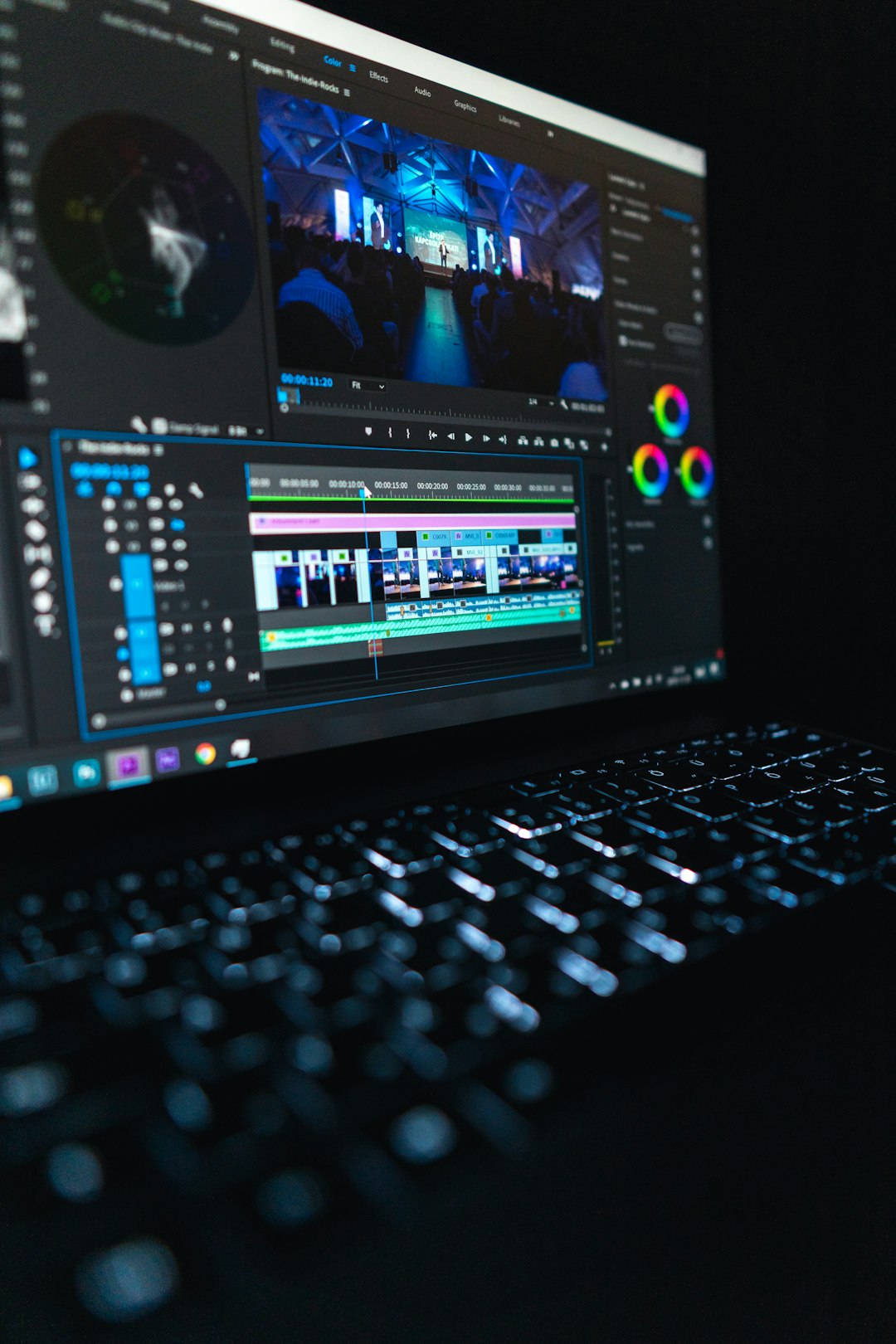
Gaming editors often create highlight reels, funny moments, tutorials, stream recaps, trailers, livestream clips, and social shorts. This work requires a sense of timing, humor, music, effects, and gaming culture.
Editors who understand specific games, memes, and audience expectations can be especially valuable. A technically skilled editor who does not understand gaming culture may struggle to create the right pace and tone.
10. Remote AI-Assisted Video Editor
One of the fastest-growing remote opportunities in 2026 may be the AI-assisted video editor. Rather than replacing editors completely, AI tools are expected to speed up repetitive tasks such as transcription, rough cuts, background removal, translation, captioning, audio cleanup, and clip selection.
The best AI-assisted editors will know how to combine automation with human judgment. They may use AI to create a first draft, then refine pacing, emotion, timing, music, branding, and storytelling manually.
This role is valuable because businesses want faster production without losing quality. Editors who can build efficient workflows may handle more projects and offer faster delivery times.
Where Remote Video Editors Can Find Jobs in 2026
Remote video editor jobs may be found through freelance marketplaces, creative staffing agencies, production companies, creator communities, job boards, social media networking, and direct outreach. Many editors also build client pipelines by posting their own work online.
Common sources of remote editing work include:
- Freelance platforms and contractor marketplaces
- Remote job boards
- Marketing and creative agencies
- YouTube creator networks
- Podcast production companies
- Online education businesses
- Direct outreach to brands and creators
A strong portfolio remains essential. Hiring managers and clients usually care less about degrees and more about proof of skill. A short, focused showreel with strong examples can be more effective than a long collection of unrelated projects.
Skills That Will Help Video Editors Get Hired
In 2026, the best remote video editors will likely combine creative taste with technical reliability. Since remote work depends on trust, editors must communicate clearly, meet deadlines, organize files properly, and accept feedback professionally.
Important skills include:
- Editing in Premiere Pro, DaVinci Resolve, Final Cut Pro, or similar software
- Color correction and basic color grading
- Audio cleanup and sound design
- Motion graphics and animated captions
- Storytelling and pacing
- File management and remote collaboration
- Platform-specific formatting for social, web, and ads
- AI-assisted editing workflows
Soft skills also matter. A remote editor who asks good questions, provides realistic timelines, and communicates delays early will usually be preferred over a more talented editor who is difficult to manage.
How Much Can Remote Video Editors Earn in 2026?
Income can vary widely depending on experience, niche, location, client type, and project complexity. Entry-level editors may start with smaller freelance projects, while experienced editors serving agencies, corporations, or large creators can command higher rates.
Some editors charge hourly, while others prefer project-based pricing or monthly retainers. Retainers are especially common for social media, YouTube, podcasts, and corporate content because clients need recurring video production.
The highest-earning remote editors are usually not just software operators. They help clients create better content, save time, maintain consistency, and achieve business goals.
Conclusion
The best remote video editor jobs available in 2026 will be those that connect editing skill with growing content demand. Social media, YouTube, podcasts, corporate communications, online education, advertising, gaming, motion graphics, and AI-assisted editing all offer promising paths.
Editors who want to stay competitive should build a focused portfolio, learn modern tools, understand platform trends, and develop dependable remote work habits. As video continues to dominate digital communication, skilled remote editors will remain valuable across industries.
FAQ
What is the best remote video editor job in 2026?
The best option depends on the editor’s strengths. Social media editing, YouTube editing, corporate video editing, and advertising creative editing are expected to be among the strongest remote opportunities.
Can a beginner get a remote video editing job?
Yes. A beginner can start with short-form social clips, basic YouTube edits, podcast clips, or freelance projects. A small but polished portfolio is usually more important than formal experience.
What software should remote video editors learn?
Popular tools include Adobe Premiere Pro, DaVinci Resolve, Final Cut Pro, After Effects, Audition, and AI-assisted transcription or captioning tools. The best choice depends on the type of editing work.
Are AI tools replacing video editors?
AI tools are more likely to change the workflow than completely replace skilled editors. Human judgment is still needed for storytelling, emotion, pacing, branding, and creative decisions.
How can a remote video editor stand out?
An editor can stand out by specializing in a profitable niche, showing strong before-and-after examples, communicating professionally, meeting deadlines, and understanding the business goals behind each video.

