
So let me guess you stumbled across Zuhagarten, scratched your head for a second, and thought, “Okay… what exactly is this?” Yeah, same here. I remember the first time I saw the name, I assumed it was either a minimalist garden trend from Europe or a niche DIY movement with a cult following. Turns out, it’s way more interesting than that.
If you’re curious about Zuhagarten, how it works, and why people keep talking about it, grab a coffee and get comfy. I’ll walk you through it like we’re chatting on the couch, not sitting through a boring lecture. Sound good?
Contents
- 1 What Exactly Is Zuhagarten?
- 2 Why Zuhagarten Is Getting Attention
- 3 The Core Principles Behind Zuhagarten
- 4 Zuhagarten and DIY Culture
- 5 Smart Use of Materials
- 6 Zuhagarten vs Traditional Garden Design
- 7 How Zuhagarten Fits Modern Lifestyles
- 8 Design Flexibility You’ll Actually Use
- 9 Is Zuhagarten Just a Trend?
- 10 Common Mistakes to Avoid with Zuhagarten
- 11 Who Should Try Zuhagarten?
- 12 Why I Personally Like the Zuhagarten Approach
- 13 Final Thoughts on Zuhagarten
What Exactly Is Zuhagarten?
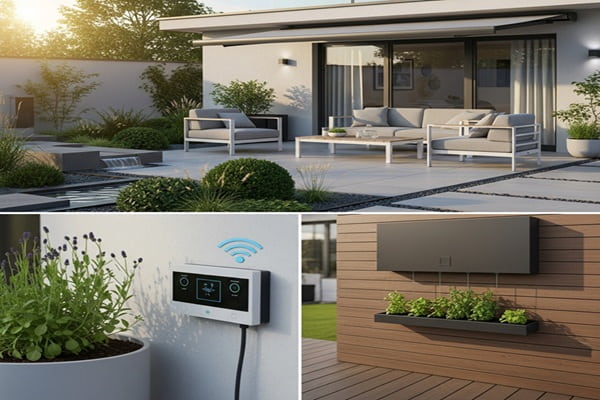
At its core, Zuhagarten blends smart outdoor living, DIY creativity, and functional design into one surprisingly flexible concept. It isn’t a single product or rigid system. Instead, it’s more like a mindset for designing garden and outdoor spaces that actually make sense for real people.
I like to think of Zuhagarten as the anti-fancy-garden movement. No over-the-top fountains. No stuff that looks great on Instagram but falls apart in six months. Just practical, adaptable, and good-looking outdoor setups that don’t demand constant babysitting.
Ever wondered why some gardens feel welcoming while others feel like work? That’s the gap Zuhagarten tries to close.
Why Zuhagarten Is Getting Attention
It Fits Real Life, Not Just Showrooms
Here’s the thing most outdoor design ideas assume unlimited time, money, and patience. Zuhagarten laughs politely and walks away from that idea.
It focuses on:
-
Low maintenance setups
-
Flexible layouts
-
Smart use of space, even in small yards or terraces
IMO, that’s exactly why it resonates. People want gardens they can use, not museums they’re scared to touch.
It Works for Small and Large Spaces
Got a massive backyard? Cool. Got a tiny balcony? Also cool.
Zuhagarten adapts to:
-
Urban balconies
-
Suburban lawns
-
Rooftop gardens
-
Shared outdoor spaces
FYI, adaptability is one of its biggest strengths, and it shows in how people customize it.
The Core Principles Behind Zuhagarten
1. Function Comes First
Zuhagarten starts with one simple question: “What do you actually want to do here?”
Not what looks trendy. Not what your neighbor has. Just what you need.
Common use cases include:
-
Relaxing after work
-
Hosting casual get-togethers
-
Growing herbs or veggies
-
Creating a quiet corner for reading
Once you answer that, everything else falls into place.
2. Simple Design Wins Every Time
I’ve learned this the hard way complex outdoor setups age badly. Zuhagarten leans hard into clean lines, modular elements, and uncluttered layouts.
That means:
-
Fewer decorative distractions
-
More open space
-
Designs that age gracefully
Do simple designs ever get boring? Honestly, no. They just feel calmer.
Zuhagarten and DIY Culture
Built for Hands-On People
If you enjoy DIY projects even a little, Zuhagarten feels like it was made for you. It encourages hands-on customization, not locked-in solutions.
You can:
-
Build seating from modular components
-
Rearrange layouts seasonally
-
Upgrade pieces instead of replacing everything
I personally love this part because it keeps the space feeling fresh without draining your wallet.
Beginner-Friendly (No Panic Required)
You don’t need advanced tools or professional skills. Zuhagarten embraces approachable DIY, not intimidating construction projects.
Typical DIY-friendly elements include:
-
Prefabricated garden modules
-
Easy-to-assemble structures
-
Lightweight materials
Ever quit a project halfway because it got too complicated? Yeah… Zuhagarten tries to prevent that.
Smart Use of Materials
Durable Without Being Boring
Zuhagarten favors materials that last but still look good. Think practical, not industrial.
Common material choices include:
-
Treated wood
-
Weather-resistant composites
-
Recycled or eco-friendly materials
-
Metal accents for structure
Durability matters, especially outdoors, and Zuhagarten doesn’t pretend otherwise.
Sustainability Isn’t an Afterthought
One thing I genuinely appreciate is how eco-conscious choices feel natural, not forced.
You’ll often see:
-
Reusable components
-
Long-life materials
-
Designs that reduce waste over time
Does sustainability fix everything? No. But every smart choice adds up.
Zuhagarten vs Traditional Garden Design
Less Maintenance, More Enjoyment
Traditional gardens often feel like a second job. Zuhagarten flips that script.
Here’s a quick comparison:
Traditional Gardens
-
High maintenance
-
Seasonal overhauls
-
Decorative-first mindset
Zuhagarten Approach
-
Low maintenance
-
Modular updates
-
Function-first design
Which one sounds more fun on a Sunday afternoon?
Designed for People, Not Just Plants
Plants still matter, but Zuhagarten doesn’t let greenery steal the spotlight. It treats plants as part of the experience, not the entire point.
That balance makes the space more livable and less stressful.
How Zuhagarten Fits Modern Lifestyles
Perfect for Busy Schedules
Let’s be real most of us don’t have hours each week for garden upkeep. Zuhagarten respects your time.
It works well because:
-
Layouts stay manageable
-
Systems require minimal upkeep
-
Changes don’t demand full redesigns
Busy life + peaceful outdoor space = win.
Indoor-Outdoor Living Done Right
Zuhagarten blurs the line between indoor comfort and outdoor freedom. The goal? Make stepping outside feel effortless.
Common features include:
-
Comfortable seating
-
Soft lighting
-
Weather-smart layouts
Ever step into a garden and immediately feel relaxed? That’s the vibe.
Design Flexibility You’ll Actually Use
Modular Layouts That Make Sense
One of my favorite things about Zuhagarten is how nothing feels permanent unless you want it to be.
You can:
-
Rearrange furniture
-
Swap elements seasonally
-
Expand over time
That flexibility keeps the space from feeling stale.
Personal Style Still Shines Through
Minimal doesn’t mean boring. Zuhagarten leaves room for personality.
You can add:
-
Textiles and cushions
-
Lighting accents
-
Personal decor touches
The system supports your style instead of fighting it.
Is Zuhagarten Just a Trend?
Short answer? No. Longer answer? Definitely not.
Trends usually:
-
Focus on aesthetics only
-
Fade once the novelty wears off
Zuhagarten sticks around because it solves real problems time, space, and usability.
When something works this well, people don’t abandon it.
Also Read : That-Bites.org Foodie: Your Ultimate Culinary Playground
Common Mistakes to Avoid with Zuhagarten
Even good concepts can go wrong. I’ve seen a few slip-ups worth mentioning.
Overcomplicating the Layout
People sometimes add too much too fast. Start small. Let the space evolve.
Ignoring Actual Usage
Designing for imaginary dinner parties instead of real habits? Yeah… don’t do that.
Ask yourself:
-
How often will I use this?
-
What do I actually enjoy outdoors?
Honest answers save a lot of frustration.
Who Should Try Zuhagarten?
Honestly? Almost anyone.
It works especially well for:
-
Apartment dwellers
-
Busy professionals
-
DIY enthusiasts
-
Families wanting flexible outdoor space
If you want a garden that fits your life instead of reshaping it, Zuhagarten makes sense.
Why I Personally Like the Zuhagarten Approach
I’ll be real I like systems that don’t boss me around. Zuhagarten feels collaborative, not demanding.
I enjoy:
-
The freedom to tweak things
-
The low-pressure maintenance
-
The balance between design and comfort
Does it solve every outdoor problem? Nope. But it solves the important ones.
Final Thoughts on Zuhagarten
Zuhagarten isn’t about perfection. It’s about practical beauty, flexibility, and enjoying your space without stress. It respects your time, your budget, and your lifestyle and that’s rare.
If you want an outdoor setup that grows with you, adapts easily, and doesn’t guilt-trip you when life gets busy, Zuhagarten is worth exploring.
So, are you building a garden or building a space you’ll actually use? Think about that before your next outdoor upgrade.

