
Virtual contact centers are often the best fit for teams that need remote agents, faster setup, and cleaner call tracking without buying phone hardware. Five9 and Talkdesk sit near the top of the cloud-based contact center market, especially for sales, support, and service teams that want voice, chat, AI, reporting, and CRM connections in one place. Cloud spending keeps rising, with Gartner forecasting worldwide public cloud end-user spending to reach $679 billion in 2024 [source: Gartner].
TLDR: Five9 is a strong choice for larger teams that need deep routing, outbound dialing, workforce tools, and detailed reporting. Talkdesk is often easier for service teams that want a cleaner interface and fast CRM setup. For example, a 75-agent support team handling 18,000 monthly calls could cut average wait time by 20% to 30% if it moves from basic phone queues to skills-based routing and better self-service. Smaller teams may also compare Zendesk, Aircall, RingCentral, and Amazon Connect before signing a long contract.
Contents
What a Virtual Contact Center Actually Does
A virtual contact center lets agents work from anywhere through a browser or desktop app. Calls, chats, emails, texts, and social messages can land in one queue. Supervisors can listen, coach, score calls, and review analytics without walking a call floor.
This model helps when teams are split across cities or time zones. It also reduces the need for on-site phone systems. That matters for growing companies. Adding ten agents can be a software change, not a wiring project.
Five9: Strong for Scale and Complex Routing
Five9 is built for companies that handle serious call volume. It supports inbound, outbound, blended agents, auto dialers, call recording, IVR, analytics, and AI agent assist. It also connects with major CRMs such as Salesforce, ServiceNow, Microsoft Dynamics 365, and Zendesk.
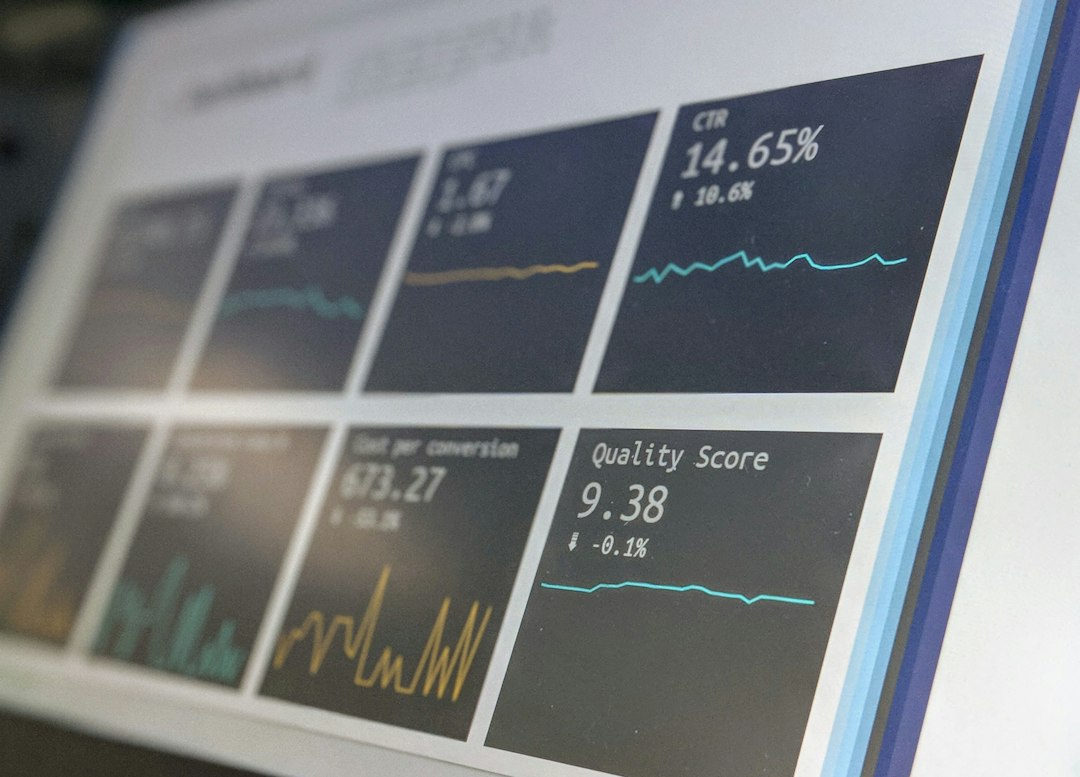
Its strength is control. A contact center manager can create advanced routing rules, segment callers, track campaign results, and manage workforce needs. Sales teams may like its predictive and progressive dialing tools. Support leaders may like its call analytics and queue visibility.
The catch is that setup can feel heavy. Some admins may spend days tuning call flows, permissions, and reports before the system feels right. It is powerful, but it is not always light.
Talkdesk: Clean Interface and Faster Daily Use
Talkdesk has a more modern feel. It is known for a clean agent workspace, strong app integrations, and service-focused features. It works well for teams that care about speed, customer history, and simple agent training.
Talkdesk also offers AI tools, quality management, workforce engagement, self-service, and industry packages for healthcare, finance, retail, and other sectors. Its CRM integrations are a big selling point. A service team using Salesforce can often keep more work inside one screen.
Honestly, it feels like some tools make agents click three extra times just to find the caller’s last issue. Talkdesk tries to reduce that pain. That can save seconds on each interaction, which adds up across thousands of calls.
Other Cloud-Based Contact Center Options
- Genesys Cloud CX: Good for enterprise teams that need voice, digital channels, bots, workforce tools, and advanced journey tracking.
- NICE CXone: Strong for quality monitoring, workforce management, analytics, and large service operations.
- Amazon Connect: Flexible and usage-based. Best for teams with technical staff that can shape the system around AWS.
- RingCentral Contact Center: Useful for companies that already use RingCentral for business phone service.
- Zendesk Talk and Suite: Simple for support teams already using Zendesk tickets, help centers, and chat.
- Aircall: Easy to adopt for smaller sales and support teams that need calling, recordings, and CRM sync.
Companies already reviewing cloud systems may also compare broader enterprise cloud infrastructure choices, since contact center uptime depends on stable networking, identity tools, and data access.
Key Features Buyers Should Compare
Price matters, but feature fit matters more. A cheap plan can become expensive if agents waste time or managers cannot trust the reports.
- Channel support: Voice, chat, email, SMS, WhatsApp, and social messages should match customer habits.
- CRM integration: Salesforce, HubSpot, Zendesk, ServiceNow, and Microsoft tools should sync cleanly.
- Routing: Skills-based routing sends customers to the right agent, not just the next free agent.
- AI features: Look for call summaries, sentiment signals, agent assist, chatbots, and knowledge suggestions.
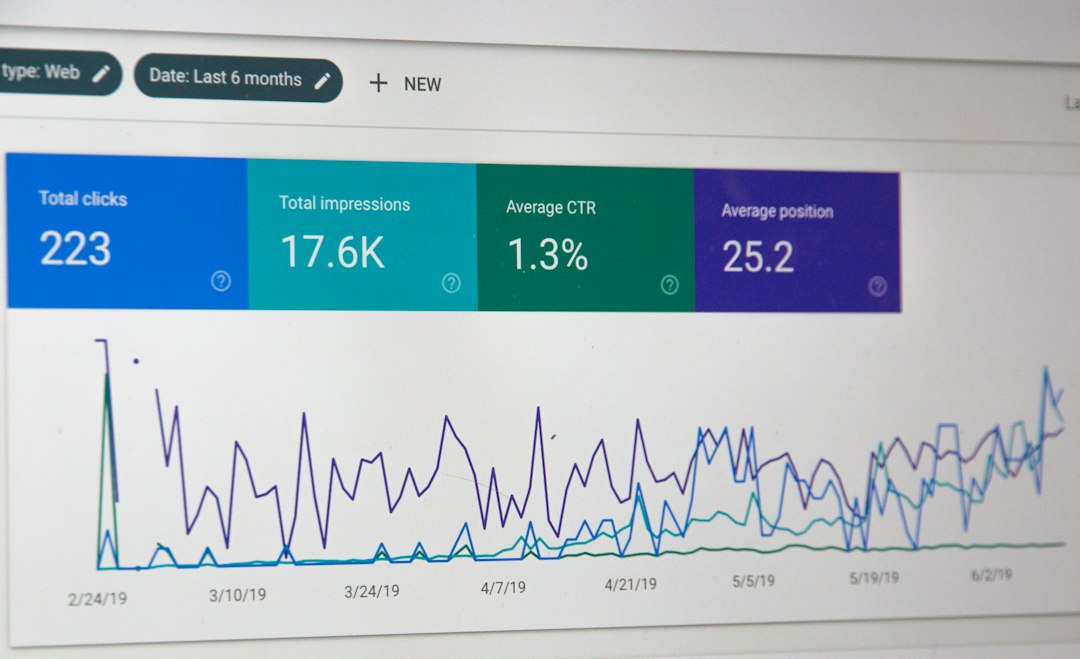
- Reporting: Managers need real-time dashboards and historical reports they can trust.
- Compliance: Call recording, retention rules, consent tools, and role-based access are critical in regulated fields.
Five9 vs. Talkdesk: Which One Fits Best?
Five9 often fits larger operations, blended sales and service teams, or contact centers with complex dialing and routing needs. It rewards teams that have admin resources and clear processes.
Talkdesk often fits customer service groups that want a polished experience and faster agent adoption. It may suit teams that care more about simple workflows than deep telephony controls.
Both platforms can work well. The better choice depends on the team’s call volume, CRM, reporting needs, internal skills, and budget. A proof of concept is worth the trouble. It should test real call flows, not just a polished demo.
Common Buying Mistakes
Many buyers focus on the monthly seat price. That is risky. Implementation fees, AI add-ons, call recording storage, support tiers, and telecom usage can change the final cost.
Another mistake is ignoring agent workflow. If agents need to jump between six tabs, customer experience suffers. Teams that care about cross-platform productivity should test how the contact center works across browsers, desktops, headsets, and home networks.

FAQ
What is a virtual contact center?
A virtual contact center is a cloud-based system that lets agents handle calls, chats, emails, texts, and other customer messages from different locations.
Is Five9 better than Talkdesk?
Five9 is often better for complex routing, outbound dialing, and larger contact centers. Talkdesk is often better for teams that want a cleaner interface and faster daily use.
Are cloud contact centers secure?
Most major platforms provide encryption, access controls, call recording settings, and compliance features. Buyers still need to review data storage, user permissions, and industry rules.
Can small businesses use these platforms?
Yes, but Five9 and Talkdesk may be more than some small teams need. Smaller groups may also compare Aircall, Zendesk, RingCentral, or Amazon Connect.
What should a company test before buying?
It should test real call queues, CRM sync, reporting, call quality, supervisor tools, agent screens, and pricing based on expected usage.

