

Field service businesses operate under constant time pressure. Technicians must arrive on schedule, complete work correctly, update records, communicate with customers, and move efficiently to the next job. When these tasks are managed with spreadsheets, phone calls, paper forms, or disconnected systems, minutes are lost at every step. Field Service Management (FSM) solutions help businesses reduce that wasted time by centralizing scheduling, dispatching, job tracking, communication, reporting, and invoicing in one digital platform.
TLDR: FSM solutions save time by automating routine administrative work, improving technician scheduling, and giving managers real-time visibility into field operations. For example, a service company with 20 technicians that reduces daily admin time by just 30 minutes per technician can recover around 50 labor hours per week. Businesses often see faster response times, fewer missed appointments, and shorter billing cycles after moving from manual processes to an FSM platform.
Contents
- 1 Why Time Loss Is a Serious Problem in Field Service
- 2 Faster Scheduling and Dispatching
- 3 Reduced Travel Time Through Smarter Routing
- 4 Real-Time Communication Between Office and Field Teams
- 5 Less Paperwork and Faster Job Completion
- 6 Improved First-Time Fix Rates
- 7 Quicker Invoicing and Payment Processing
- 8 Better Management Decisions Based on Data
- 9 A Practical Scenario: Saving Time Across the Workday
- 10 Conclusion
Why Time Loss Is a Serious Problem in Field Service
In field service, time is directly connected to revenue, customer satisfaction, and operational capacity. A technician waiting for job details, driving an inefficient route, or returning to the office to submit paperwork is not completing billable work. Likewise, dispatchers who spend hours confirming availability, calling customers, and updating schedules manually have less time to handle exceptions or improve service quality.
These inefficiencies may seem small individually, but they add up quickly. A few minutes lost per job can become hours per week across a full team. Over a month or a year, this can represent a significant financial impact. FSM software addresses this issue by replacing fragmented manual workflows with structured, automated, and trackable processes.
Faster Scheduling and Dispatching
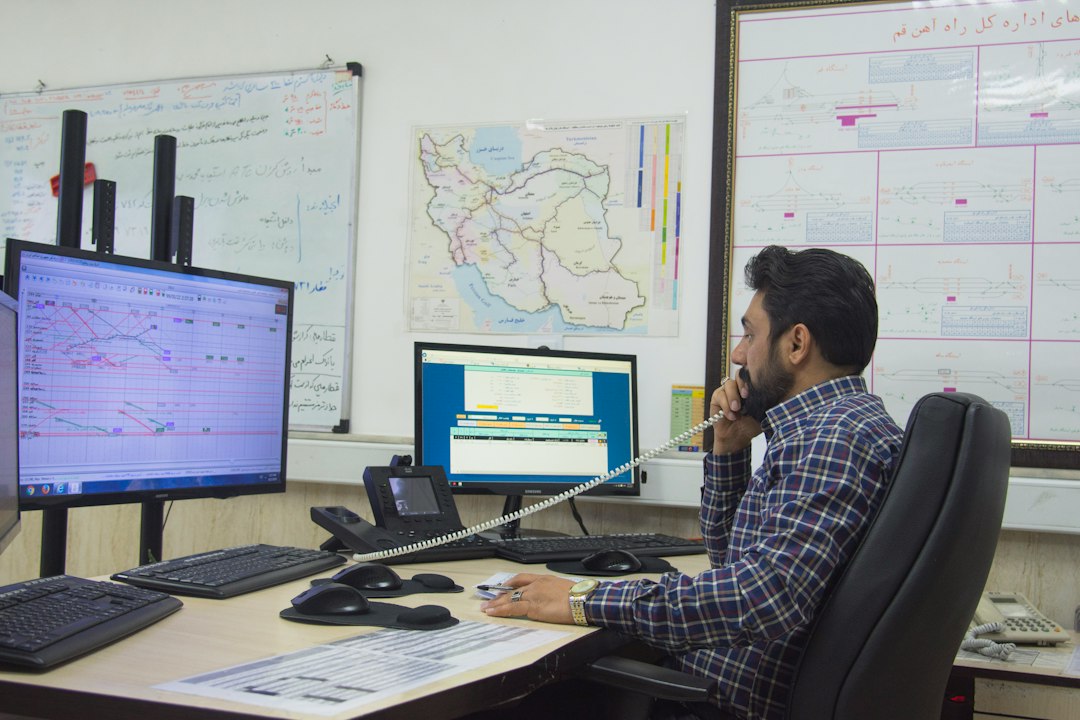
One of the most important ways FSM solutions save time is through automated scheduling and dispatching. Instead of manually checking technician availability, location, skills, and job priority, managers can use an FSM system to identify the best available technician in seconds.
Modern FSM platforms can consider several factors at once, including:
- Technician location and proximity to the customer site
- Required skills, certifications, or equipment
- Job urgency and service level agreements
- Current workload and availability
- Travel time between appointments
This reduces scheduling errors and helps businesses assign the right person to the right job more quickly. It also gives dispatchers the flexibility to respond when a technician is delayed, a customer cancels, or an urgent request comes in.
Reduced Travel Time Through Smarter Routing
Travel time is one of the largest hidden costs in field service. If technicians are driving inefficient routes or crossing service areas unnecessarily, the business loses time that could otherwise be used for additional jobs.
FSM solutions often include route optimization tools that help dispatchers plan the most efficient schedule based on customer locations and technician routes. This can reduce fuel usage, improve punctuality, and allow technicians to complete more work in a day. Even a small improvement in routing can have a measurable effect. For example, saving 15 minutes of travel per technician per day across a team of 15 people equals nearly 19 hours saved each week.
Real-Time Communication Between Office and Field Teams
Without an FSM system, communication often depends on phone calls, text messages, emails, or handwritten notes. This creates delays and increases the risk of missing or inaccurate information. A technician may arrive without the correct job history, a dispatcher may not know whether a task is complete, or a customer may call the office for an update that no one can confirm.
With FSM software, job details are updated in real time. Technicians can access work orders, service history, asset information, customer notes, and safety instructions from a mobile device. Dispatchers can see job status updates as they happen, such as en route, on site, awaiting parts, or completed.
This level of visibility reduces unnecessary calls and helps everyone work from the same information. It also improves accountability, because managers can review timestamps, job progress, and completion details without chasing updates manually.
Less Paperwork and Faster Job Completion
Paper-based processes are slow, easy to misplace, and difficult to analyze. Technicians may need to fill out forms by hand, collect signatures, return paperwork to the office, and wait for administrative staff to enter the information into another system. Each step creates a delay.
FSM platforms replace this with digital work orders, mobile forms, checklists, photos, and electronic signatures. Technicians can complete documentation on site and submit it instantly. This saves administrative time and reduces the chance of incomplete or illegible information.
For field service businesses that manage compliance, inspections, maintenance reports, or warranty documentation, this can be especially valuable. Standardized digital forms help ensure that required information is captured correctly every time.
Improved First-Time Fix Rates
A major source of wasted time is repeat visits. When technicians do not have the right information, parts, tools, or skills for a job, they may be unable to complete the work on the first visit. This leads to rescheduling, additional travel, customer frustration, and reduced capacity.
FSM solutions help improve first-time fix rates by giving technicians better preparation before they arrive. They can review customer history, previous service notes, asset details, photos, manuals, and parts requirements from their mobile device. Managers can also assign jobs based on technician expertise, not just availability.

When more jobs are completed correctly the first time, businesses save time across the entire operation. Dispatchers handle fewer revisits, technicians spend less time repeating work, and customers receive faster resolution.
Quicker Invoicing and Payment Processing
Time savings do not stop when the technician completes the job. Many field service businesses lose additional time between job completion and invoicing. If office staff must wait for paperwork, confirm job details, check materials used, and manually prepare invoices, billing can be delayed by days or even weeks.
FSM software can shorten this cycle by connecting field data directly to invoicing workflows. Once a job is marked complete, the system can capture labor time, parts used, service notes, customer approval, and pricing details. This allows invoices to be generated faster and with fewer errors.
Faster invoicing improves cash flow as well as efficiency. A business that reduces its average invoicing delay from five days to one day gains better financial visibility and is more likely to receive payment sooner.
Better Management Decisions Based on Data
Manual operations make it difficult to understand where time is being lost. Managers may suspect that scheduling is inefficient or that certain jobs take too long, but without reliable data, improvement is based on guesswork.
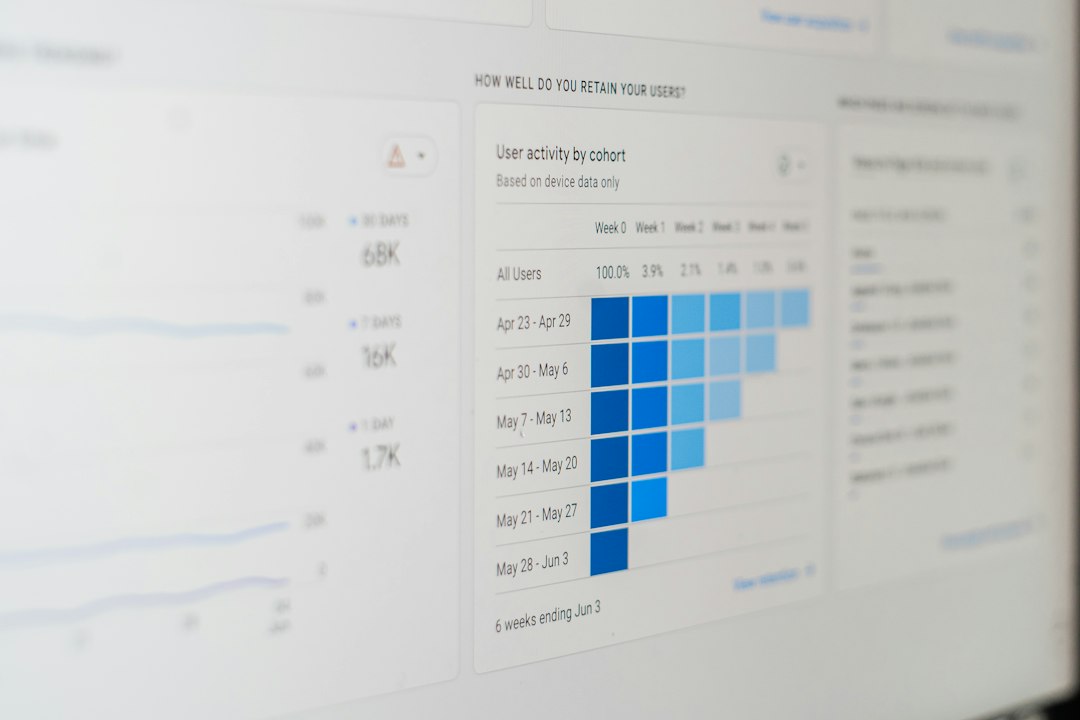
FSM solutions provide reporting and analytics that show key performance indicators such as:
- Average job duration
- Travel time per technician
- Response times
- First-time fix rate
- Technician utilization
- Jobs completed per day
- Invoice turnaround time
These insights help leaders identify bottlenecks and make informed operational decisions. For example, if reports show that one service area has unusually high travel time, the business can adjust territories or create a different dispatching strategy.
A Practical Scenario: Saving Time Across the Workday
Consider a maintenance company that handles commercial HVAC service calls. Before using an FSM solution, the dispatcher builds schedules manually each morning, technicians call the office for job details, and completed forms are returned at the end of the day. Invoices are usually created three to four days later.
After implementing FSM software, schedules are created using technician availability and location data. Technicians receive job details on mobile devices, update job status in real time, capture customer signatures on site, and submit work orders immediately. The office team can review completed work the same day and issue invoices much faster.
The result is not just one large time saving, but many smaller savings across the business. Dispatching becomes quicker, technicians spend less time waiting for instructions, paperwork is reduced, and billing is accelerated.
Conclusion
FSM solutions help field service businesses save time by improving how work is scheduled, assigned, completed, documented, and billed. They reduce manual administration, support better communication, optimize travel, and give managers reliable data for decision-making.
For businesses that depend on mobile teams, these time savings can become a meaningful competitive advantage. More efficient operations allow companies to complete more jobs, respond faster to customers, reduce costs, and maintain higher service standards. In a market where reliability and speed matter, FSM software is not simply a convenience; it is a practical tool for building a more controlled, productive, and scalable field service operation.

