

Imagine your office, factory, hospital, store, and home are full of tiny workers. Some measure heat. Some track doors. Some guide robots. Some watch cameras. These workers are IoT devices. They are helpful. But they also need bodyguards. That is where Cisco cybersecurity for IoT comes in.
TLDR: Cisco helps protect IoT devices by finding them, watching their behavior, and blocking risky activity. It makes networks safer with tools like device visibility, segmentation, secure access, and threat detection. This is useful for factories, hospitals, cities, and businesses with lots of connected devices. In simple words, Cisco helps your smart things stay smart, safe, and under control.
Contents
- 1 What Is IoT, Really?
- 2 Why IoT Security Is Different
- 3 Key Feature 1: Device Visibility
- 4 Key Feature 2: Network Segmentation
- 5 Key Feature 3: Threat Detection
- 6 Key Feature 4: Secure Access Control
- 7 Key Feature 5: Zero Trust Approach
- 8 Key Feature 6: Protection for Industrial IoT
- 9 Key Feature 7: Secure Firewalls and Network Protection
- 10 Key Feature 8: Centralized Management
- 11 Benefits of Cisco Cybersecurity in IoT
- 12 Where Cisco IoT Security Is Used
- 13 A Simple Example
- 14 Best Practices for IoT Security with Cisco
- 15 Why Cisco Stands Out
- 16 Final Thoughts
What Is IoT, Really?
IoT means Internet of Things. It is a big name for everyday devices that connect to a network. These devices collect data. They send updates. They often work without people touching them.
Here are some common IoT examples:
- Smart cameras
- Factory sensors
- Medical machines
- Smart lights
- Thermostats
- Door locks
- Delivery trackers
- Connected vehicles
- Robots and control systems
These devices make life easier. They save time. They reduce waste. They help teams move faster. But they can also create new risks.
Why? Because many IoT devices are small. They may not have strong security built in. Some are old. Some are hard to update. Some use weak passwords. Some are forgotten after setup. Hackers love forgotten things.
That is why IoT security matters so much.
Why IoT Security Is Different
Securing laptops is one thing. Securing thousands of tiny devices is another thing. IoT security can feel like trying to guard a circus. There are cameras juggling data. Sensors riding unicycles. Robots doing backflips. It is busy.
Traditional security tools often focus on users and computers. IoT is different. Many IoT devices do not have a person using them. They may not support normal antivirus software. They may run all day and night. They may control real things, like machines, doors, lights, pumps, or medical tools.
So the security plan must answer simple but important questions:
- What devices are connected?
- What do they normally do?
- Are they acting weird?
- Who can talk to them?
- What happens if one gets attacked?
Cisco builds tools to answer these questions. And it tries to do it without making your network feel like a locked fridge with the key missing.
Key Feature 1: Device Visibility
You cannot protect what you cannot see. This is the first big rule of IoT security. Cisco helps businesses discover IoT devices on the network. It can show what they are, where they are, and how they communicate.
This is useful because many companies have surprise devices. A smart TV in a meeting room. A camera installed years ago. A sensor added by a contractor. A badge reader no one documented. These can quietly sit on the network.
Cisco tools, such as Cisco Cyber Vision, can help identify devices in industrial environments. This is very helpful in places like factories, energy plants, and transportation systems. It gives teams a clear map of what is connected.
Think of it like turning on the lights in a messy garage. Before, you knew you had “stuff.” Now you can see the bikes, boxes, tools, and mystery inflatable dinosaur. Visibility makes security possible.
Key Feature 2: Network Segmentation
Segmentation means splitting the network into safer zones. It is like putting walls inside a building. If one room has a problem, the whole building does not need to catch fire.
For IoT, this is a huge deal. A smart light should not be able to chat with the finance server. A vending machine does not need access to patient records. A camera should not roam around the network like it owns the place.
Cisco can help divide devices by type, role, location, or risk level. Tools like Cisco Identity Services Engine, often called Cisco ISE, can help decide who or what gets access. It can apply rules based on device identity.
For example:
- Security cameras can only send video to the video system.
- Factory sensors can only talk to approved controllers.
- Guest devices stay away from business systems.
- Unknown devices get limited access or no access.
This makes attacks harder. If a hacker breaks into one device, they cannot easily jump everywhere else. The hacker is stuck in a tiny room. No snacks. No fun.
Key Feature 3: Threat Detection
IoT devices usually have regular habits. A temperature sensor sends temperature data. A door lock reports lock events. A robot arm talks to a controller. Simple.
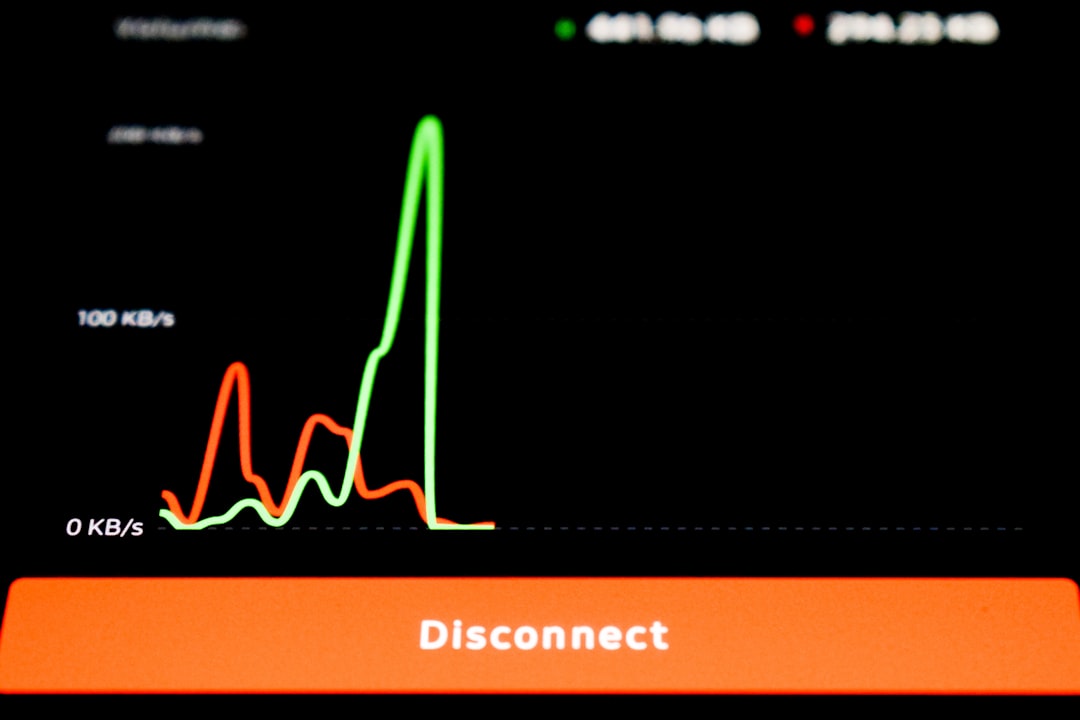
When a device starts acting strange, that can be a warning sign. Maybe a camera is sending data to an unknown country. Maybe a factory controller is receiving odd commands. Maybe a sensor is suddenly trying to contact every server it can find.
Cisco security tools can monitor traffic and look for suspicious behavior. This helps teams find threats faster. Cisco also uses intelligence from Cisco Talos, one of the largest threat research teams in the world. Talos studies malware, attacks, and bad actors. It helps update protections across Cisco products.
In plain English, Cisco watches for digital weirdness. If a device starts behaving like a raccoon in a supermarket, security teams can know quickly.
Key Feature 4: Secure Access Control
Not every device should get a VIP pass. Access control decides what each device can do. It also decides what people can do.
Cisco helps enforce least privilege. This means each device gets only the access it needs. Nothing extra. No secret hallway. No backstage pass. No “just in case” superpowers.
This is important for both IT and OT environments. IT means information technology, like computers and apps. OT means operational technology, like factory machines and industrial control systems. In many companies, IT and OT are now connected. That can be powerful. It can also be risky.
Secure access helps keep both worlds safer. Engineers can access machines when needed. Vendors can be limited to approved systems. Devices can be blocked if they fail security checks.
Key Feature 5: Zero Trust Approach
Zero Trust sounds dramatic. It feels like a spy movie. But the idea is simple: never trust automatically.
In older networks, devices inside the network were often trusted. That is not safe anymore. A bad device can be inside the network. A stolen password can be used inside the network. A hacked sensor can be inside the network.
Zero Trust asks for proof. What is this device? Is it allowed here? Is it healthy? What is it trying to access? Is that normal?
Cisco supports Zero Trust with identity, access policies, monitoring, and enforcement. This helps reduce risk across IoT systems. It also helps teams respond when something changes.
Key Feature 6: Protection for Industrial IoT
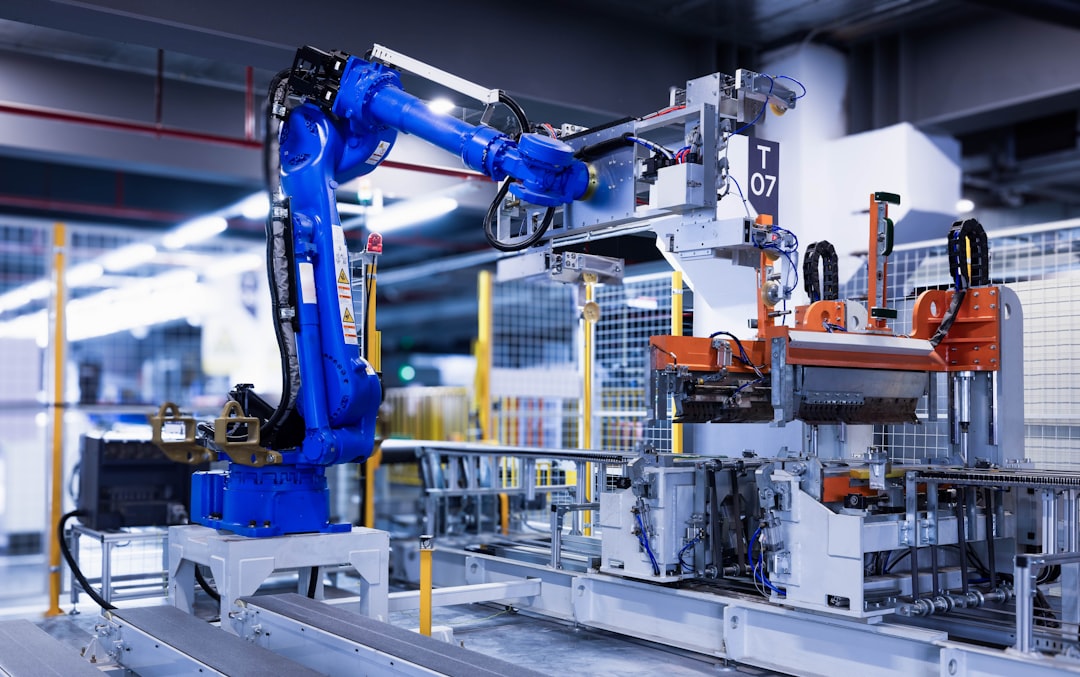
Industrial IoT is special. It includes devices used in factories, utilities, transport, oil and gas, and other critical systems. These environments care deeply about uptime. If a machine stops, money can be lost. If a safety system fails, people can be hurt.
Cisco Cyber Vision is built for these kinds of places. It helps teams understand industrial assets. It can show communication patterns. It can help detect unsafe changes. It can also work with other Cisco security tools to improve response.
This matters because industrial systems often use old protocols. Some were created before modern cyberattacks were common. They may not have strong authentication. They may be hard to patch. Cisco helps add security around them, without always changing the devices themselves.
Key Feature 7: Secure Firewalls and Network Protection
A firewall is like a security gate for network traffic. It checks what comes in and what goes out. Cisco Secure Firewall can help protect IoT environments by blocking bad traffic and enforcing rules.
Firewalls can help stop attacks before they spread. They can inspect traffic. They can work with threat intelligence. They can separate important zones. They can also help log activity for investigations.
For IoT, this is very useful. Many devices are chatty. Some send data all the time. A firewall helps make sure they are chatting with the right systems, not with a villain in a hoodie.
Key Feature 8: Centralized Management
Security gets messy when every tool lives in its own little cave. Teams need a simple way to see what is happening. Cisco offers platforms and integrations that help bring security information together.
This can help teams:
- See alerts in one place
- Understand device risks
- Apply policies faster
- Investigate incidents
- Respond to threats
When information is connected, teams can work faster. They spend less time hunting through screens. They spend more time fixing problems.
Benefits of Cisco Cybersecurity in IoT
Now let us talk about the good stuff. Features are the tools. Benefits are what those tools do for your business.
1. Better Device Awareness
Cisco helps you know what is connected. This reduces surprises. It also makes audits and planning easier. You cannot manage a mystery army of devices. You need names, roles, and locations.
2. Lower Risk of Attacks
With visibility, segmentation, firewalls, and threat detection, attackers have a harder time. They may still try. But they face more doors, more locks, and more alarms.
3. Faster Response
When something strange happens, speed matters. Cisco tools can help detect problems early. Early detection can reduce damage. It can also help teams isolate bad devices before trouble spreads.
4. Safer Operations
In factories, hospitals, and utilities, cybersecurity is not just about data. It is about safe operation. Cisco helps protect the systems that keep machines running, patients supported, and services available.
5. Easier Compliance
Many industries have rules. They need logs. They need access controls. They need proof that systems are protected. Cisco security tools can support these needs with monitoring, policy enforcement, and reporting.
6. Less Downtime
Downtime is expensive. It is also annoying. Nobody likes a frozen production line or broken smart building system. Strong IoT security helps prevent incidents that can stop work.
Where Cisco IoT Security Is Used
Cisco cybersecurity for IoT can help in many places. Each one has different needs. But they all share one thing: connected devices must be protected.
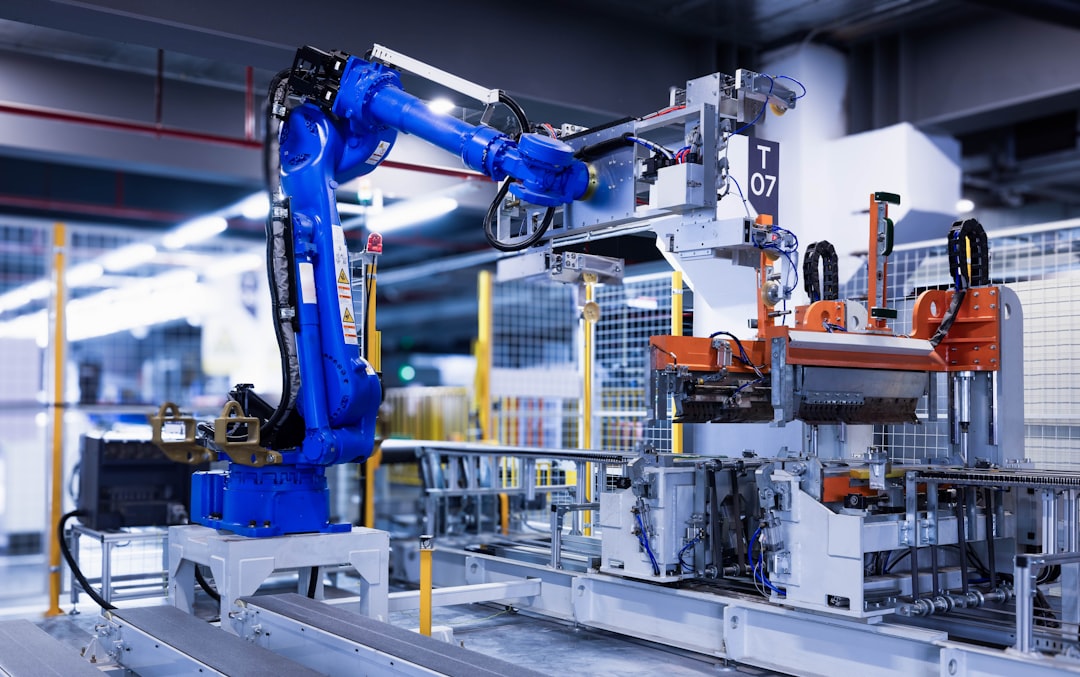
- Factories: Protect robots, sensors, controllers, and production lines.
- Hospitals: Secure medical devices, cameras, access systems, and building controls.
- Smart cities: Protect traffic systems, streetlights, public cameras, and utilities.
- Retail stores: Secure payment systems, cameras, smart shelves, and inventory devices.
- Energy companies: Protect grids, meters, substations, and industrial networks.
- Transportation: Secure connected vehicles, stations, signals, and tracking systems.
A Simple Example
Let us say a factory has 2,000 connected devices. Some are new. Some are old. Some were installed by Bob in 2014, and Bob retired to raise goats. Nobody knows what half the devices do.
With Cisco, the team can discover devices. They can see how machines talk. They can group devices into zones. They can limit access. They can watch for strange behavior. If one device starts acting suspicious, the team can isolate it.
Instead of panic, there is a plan. Instead of guessing, there is data. Instead of “Who let this sensor on the network?” there is a clear answer.
Best Practices for IoT Security with Cisco
Cisco tools are powerful. But good habits matter too. Security is not magic dust. It is a daily practice.
- Find every device. Build a complete inventory.
- Classify devices. Know what each one does.
- Segment the network. Keep devices in proper zones.
- Use strong access rules. Give devices only what they need.
- Monitor behavior. Watch for unusual traffic.
- Patch when possible. Update devices safely and carefully.
- Plan for incidents. Know what to do before trouble starts.
- Train teams. Make sure IT and OT people work together.
Why Cisco Stands Out
Cisco has a long history in networking. That matters. IoT security lives inside the network. Devices talk through switches, routers, wireless access points, and firewalls. Cisco understands that world deeply.
Cisco also connects networking and security. This is helpful because IoT protection is not one product. It is a system. You need visibility. You need control. You need detection. You need response. Cisco brings many pieces together.
It is like building a castle. You need walls, guards, gates, maps, watchtowers, and a plan for dragons. Cisco helps with the whole castle.
Final Thoughts
IoT is growing fast. More devices are connecting every day. That brings new power. It also brings new risk. A smart device should not become a sneaky doorway for attackers.
Cisco cybersecurity in IoT helps businesses see, protect, and control connected devices. It uses visibility, segmentation, secure access, firewalls, threat intelligence, and monitoring. These features help reduce risk and keep operations running.
The best part is simple. IoT security does not have to feel scary. With the right tools and smart habits, your connected world can be safer, cleaner, and easier to manage. Your sensors can sense. Your robots can robot. Your cameras can watch. And your network can sleep better at night.

