
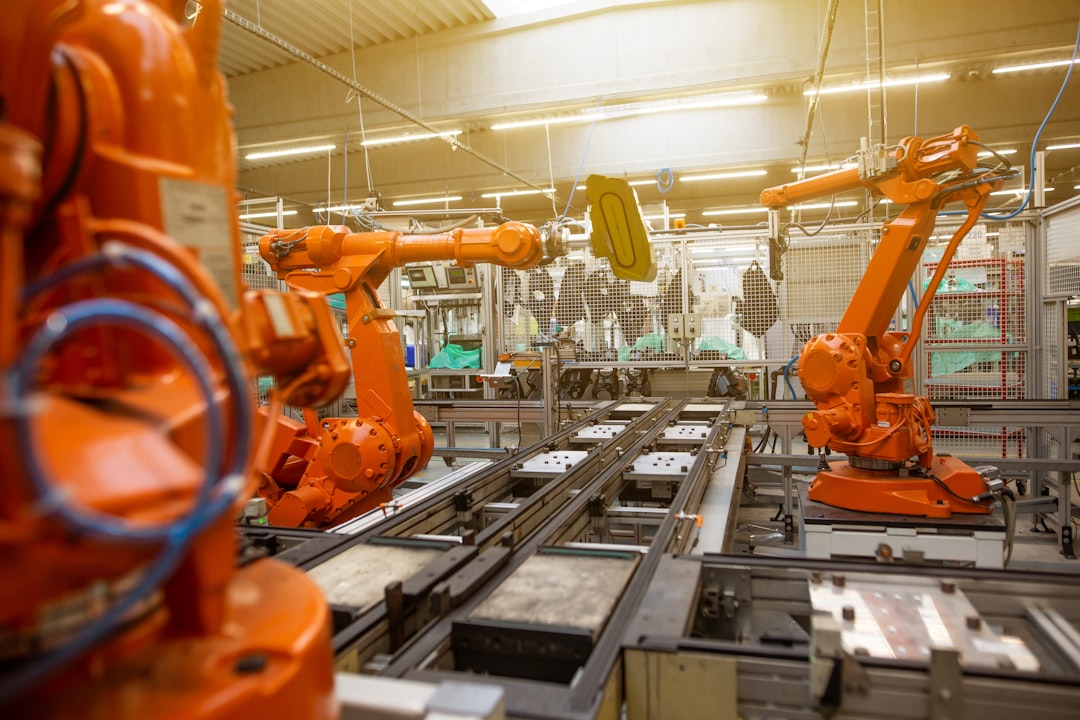
Imagine a robot rolling into a tunnel. Or a drone flying through a warehouse. Or a rover exploring a cave on another planet. GPS waves goodbye at the door. Now what? The machine still needs to know where it is, where it has been, and where it should go next. This is where computer vision and SLAM enter the story like tiny robot superheroes.
TLDR: GPS-denied navigation means moving without satellite help. The best methods use cameras, sensors, and SLAM to build a map while tracking movement. Visual odometry, visual inertial odometry, feature matching, and loop closure are key tools. The best systems mix several methods, because robots need backup plans too.
Contents
- 1 What Does GPS-Denied Navigation Mean?
- 2 What Is SLAM?
- 3 Why Computer Vision Is So Useful
- 4 1. Visual Odometry: The Robot Step Counter
- 5 2. Visual SLAM: Seeing and Mapping Together
- 6 3. Visual Inertial Odometry: Camera Plus Inner Ear
- 7 4. Stereo Vision: Two Eyes Are Better Than One
- 8 5. RGB-D Cameras: Color Plus Depth
- 9 6. Optical Flow: Watching the World Slide By
- 10 7. Fiducial Markers: Cheat Codes for Robots
- 11 8. Semantic SLAM: Knowing What Things Are
- 12 9. Place Recognition: Déjà Vu for Machines
- 13 10. Sensor Fusion: The Best Team Wins
- 14 Common Problems and Easy Fixes
- 15 Best Technique by Use Case
- 16 What Makes a System “Best”?
- 17 The Future Looks Bright
- 18 Final Thoughts
GPS-denied navigation sounds dramatic. It kind of is. It means a robot, drone, car, or device cannot use GPS to find its position.
This can happen in many places:
- Inside buildings.
- In tunnels.
- Under bridges.
- In mines.
- In forests with thick trees.
- Underwater.
- On battlefields with GPS jamming.
- On other planets.
GPS is great outside. It is not magic. Walls, rock, water, and signal interference can block it. So machines need other ways to navigate.
Computer vision helps them “see.” SLAM helps them “remember.” Together, they let machines move without getting lost like a shopping cart with ambition.
What Is SLAM?
SLAM means Simultaneous Localization and Mapping. Big name. Simple idea.
A robot uses its sensors to build a map of the world. At the same time, it figures out where it is on that map.
That is like walking through a dark house with a flashlight. You draw a map in your head. You also try to remember where the kitchen is. If you bump into the sofa twice, you update the map fast.
SLAM does this with math, cameras, and clever software.
Why Computer Vision Is So Useful
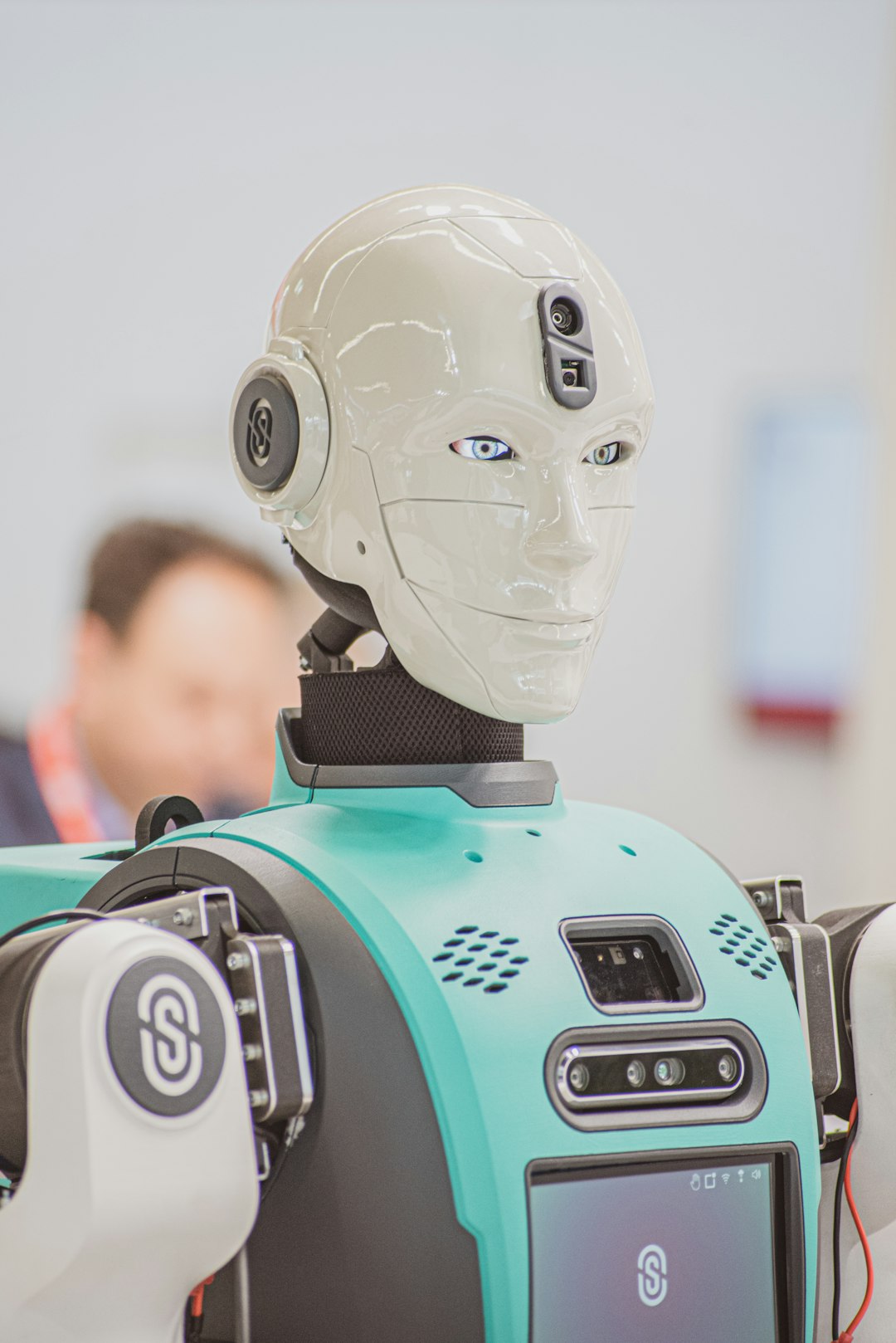
Cameras are cheap. Cameras are light. Cameras collect rich detail. They see walls, corners, doors, signs, pipes, chairs, and even that one mysterious box nobody moved for six years.
Computer vision turns images into useful navigation data. It can detect shapes. It can track movement. It can recognize places. It can estimate depth. It can help avoid obstacles.
But cameras also have moods. They struggle in darkness. They get confused by glare. Fog, dust, rain, and blank white walls can cause trouble. So the best systems do not trust one camera alone. They combine tools.
1. Visual Odometry: The Robot Step Counter
Visual odometry is one of the most common GPS-free navigation methods.
It works like this. The camera takes one image. Then it takes another image. The software compares the two. It asks, “What moved in the picture?” From that, it estimates how the robot moved.
If a door frame shifts left in the image, maybe the robot moved right. If objects grow larger, maybe the robot moved forward. Simple idea. Powerful result.
There are two main types:
- Feature based visual odometry: Finds points like corners and edges. Then tracks them.
- Direct visual odometry: Uses pixel brightness patterns. It does not need obvious features.
Feature based methods are easy to understand. They spot visual landmarks. A corner of a poster is useful. A screw on a wall is useful. A plain white wall is not very exciting.
Direct methods can work in places with fewer clear features. But they need careful lighting and camera settings.
Visual odometry is fast. It is great for drones, robots, and AR headsets. But it has one big issue. Small errors add up. This is called drift. After a while, the robot may think it is in the hallway, while it is actually staring at a vending machine.
2. Visual SLAM: Seeing and Mapping Together
Visual SLAM is visual odometry with a memory upgrade.
It does not only track movement. It also builds a map. The map may use points, lines, surfaces, or objects. As the robot moves, it improves the map. It also uses the map to improve its position estimate.
Visual SLAM has a few important parts:
- Tracking: Follows camera movement frame by frame.
- Mapping: Builds a model of the environment.
- Loop closure: Detects when the robot returns to a known place.
- Optimization: Fixes errors across the whole path.
Loop closure is a big deal. Imagine walking in a circle. At first, your brain may think you are in a new place. Then you see the same red door again. Aha. You have been here before.
SLAM does the same thing. It says, “I know this place.” Then it corrects the map. Drift shrinks. The robot becomes less confused. Everyone relaxes.
3. Visual Inertial Odometry: Camera Plus Inner Ear
Cameras are great. But they can blink. They can blur. They can get lost in darkness.
That is why many systems use visual inertial odometry, often called VIO.
VIO combines a camera with an IMU. An IMU is an inertial measurement unit. It usually has accelerometers and gyroscopes. In plain words, it senses motion and rotation. It is like the robot’s inner ear.
The camera sees the world. The IMU feels movement. Together, they make a stronger team.
This is useful when:
- The camera image gets blurry.
- The robot moves quickly.
- The lighting changes.
- There are not many visual features.
- The system needs fast position updates.
VIO is common in drones, phones, robots, and mixed reality headsets. It is often one of the best choices for real-time GPS-denied navigation.
Still, VIO can drift too. The IMU makes tiny errors. The camera makes tiny errors. Tiny errors can become big errors. So loop closure and mapping are still helpful.
4. Stereo Vision: Two Eyes Are Better Than One
A single camera can estimate motion. But depth can be tricky. A flat image does not directly tell you how far away things are.
Stereo vision uses two cameras. Just like human eyes. Each camera sees the scene from a slightly different angle. The software compares the images and estimates depth.
This helps the robot understand distance. It can tell if a wall is near. It can see if a box blocks the path. It can build better 3D maps.
Stereo vision is useful for:
- Ground robots.
- Warehouse robots.
- Indoor drones.
- Autonomous vehicles.
- Inspection robots.
The downside is setup. The cameras must be calibrated well. Bad calibration makes bad depth. Also, stereo cameras can struggle with plain surfaces. A blank wall gives very few clues.
5. RGB-D Cameras: Color Plus Depth
An RGB-D camera gives color and depth. The “D” means depth. These cameras can measure how far away objects are.
They are popular indoors. They help robots map rooms, avoid objects, and understand spaces.
RGB-D cameras are great for short range work. But they have limits. Sunlight can interfere with some depth sensors. Dust and shiny surfaces can also cause trouble. They may not work well outdoors or at long distances.
Still, for indoor GPS-denied navigation, RGB-D SLAM can be very strong. It gives rich maps. It helps robots move through offices, labs, hospitals, and homes.
6. Optical Flow: Watching the World Slide By
Optical flow tracks how pixels move across an image. It is like watching the world slide past the camera.
Small drones use optical flow a lot. A downward-facing camera can watch the floor. If the floor pattern moves backward in the image, the drone knows it is moving forward.
This method is simple and fast. It works well for short flights and stable hovering. It is also good when the robot does not need a full map.
But optical flow does not solve everything. It needs visible texture. A shiny white floor is bad news. A patterned carpet is much better. Navigation software secretly loves ugly carpets.
7. Fiducial Markers: Cheat Codes for Robots
Sometimes, the best vision trick is to make the world easier to read.
Fiducial markers are special visual tags. You may have seen square black-and-white markers, like AprilTags or ArUco markers. Cameras can detect them very quickly.
These markers tell the robot, “You are here.” They can also show direction and scale.
They are great in controlled places:
- Warehouses.
- Factories.
- Labs.
- Drone test rooms.
- Loading zones.
Markers are cheap and reliable. But they must be placed in the environment. That is not always possible. You cannot cover a cave or a forest with robot stickers. Well, you can try. The cave may not care.
8. Semantic SLAM: Knowing What Things Are
Traditional SLAM may see points and lines. Semantic SLAM tries to understand objects.
It can label things like doors, chairs, cars, signs, shelves, and people. This makes navigation smarter.
A robot can say, “That is a door. Doors often connect rooms.” Or, “That is a person. Do not bonk the person.” Very important.
Semantic information helps in places that change. A chair may move. A wall usually does not. A good robot should understand the difference.
This method often uses deep learning. It can be powerful. But it may need more computing power. It also needs good training data. If the robot has never seen a beanbag chair, it may panic a little.
9. Place Recognition: Déjà Vu for Machines
Place recognition helps a robot know when it has returned to a known area.
This is important for loop closure. The robot compares the current camera view with older views. If they match, it corrects its position and map.
Modern systems can use feature matching or neural networks. They can recognize places even when lighting changes. This is useful in long missions.
For example, a robot in a mine may travel far. It may drift over time. When it returns to an earlier tunnel, place recognition helps fix the map.
10. Sensor Fusion: The Best Team Wins
The best GPS-denied systems rarely use only one method. They use sensor fusion.
This means combining several sensors:
- Cameras.
- IMUs.
- Depth sensors.
- Wheel encoders.
- Barometers.
- Magnetometers.
- Sometimes lidar too.
Each sensor has strengths. Each sensor has weaknesses. Fusion lets them help each other.
A camera may fail in darkness. An IMU can keep tracking for a moment. Wheel encoders can measure ground movement. Depth sensors can help with obstacles. Together, they make the system safer.
Think of it like a band. The camera is the singer. The IMU is the drummer. The depth sensor is the bass player. If one misses a note, the song can still continue.
Common Problems and Easy Fixes
GPS-denied navigation is not always smooth. Robots face real-world chaos. The world is messy. Robots are brave little calculators.
Here are common problems:
- Low light: Use infrared cameras, lights, or IMU support.
- Motion blur: Use faster shutters and VIO.
- Featureless walls: Add depth sensors or markers.
- Dynamic objects: Filter moving people and vehicles.
- Drift: Use loop closure and map optimization.
- Limited computing power: Use lighter algorithms.
The trick is not to find one perfect method. There is no magic robot compass. The trick is to choose the right mix for the job.
Best Technique by Use Case
Different missions need different tools.
- Indoor drone: Use VIO, optical flow, and depth sensing.
- Warehouse robot: Use visual SLAM, markers, and wheel encoders.
- Mine robot: Use stereo vision, VIO, and strong loop closure.
- AR headset: Use VIO and visual SLAM.
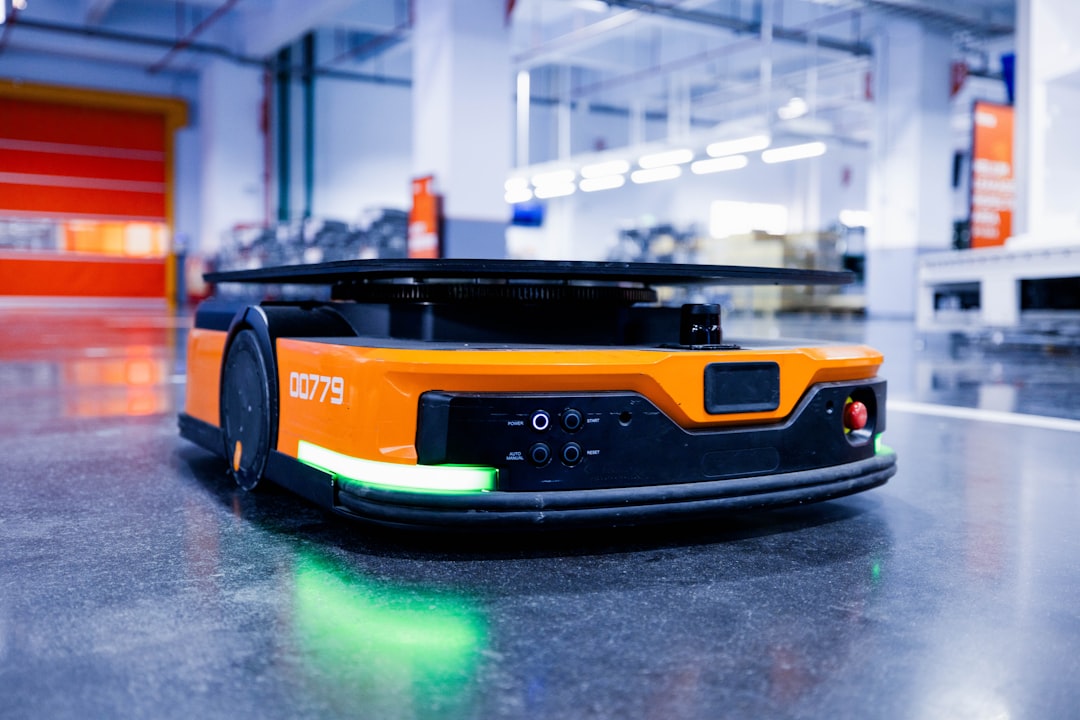
- Planetary rover: Use stereo vision, visual odometry, and careful mapping.
- Inspection robot: Use RGB-D SLAM or stereo SLAM.
If the place is controlled, markers are fantastic. If the place is wild, use robust SLAM and sensor fusion. If speed matters, VIO is usually a star.
What Makes a System “Best”?
The best technique is not always the fanciest. It is the one that works reliably in the real environment.
Ask these questions:
- Is the robot indoors or outdoors?
- Is there enough light?
- Are there many visual features?
- Will people or objects move around?
- Does the robot need a detailed map?
- How fast does it move?
- How much computing power is available?
A tiny drone cannot carry a giant computer. A warehouse robot can carry more sensors. A rover on Mars needs extreme reliability. Context matters.
The Future Looks Bright
GPS-denied navigation is improving fast. Cameras are getting better. Chips are getting faster. AI models are getting smarter. SLAM systems are becoming more robust.
Future robots will understand places better. They will use objects, maps, motion, and memory together. They will handle darkness, dust, crowds, and strange layouts better than today.
One day, a robot may enter a building it has never seen, build a map in minutes, avoid every chair, find the elevator, and politely wait its turn. That is the dream. A very well-mannered dream.
Final Thoughts
GPS is useful, but it is not always available. Computer vision and SLAM give machines another way to navigate. They let robots see, learn, map, and move with confidence.
The best GPS-denied navigation techniques include visual odometry, visual SLAM, visual inertial odometry, stereo vision, RGB-D sensing, optical flow, fiducial markers, and semantic SLAM.
The real winner is often a smart combination. Use vision for rich detail. Use inertial sensors for fast motion. Use loop closure to cut drift. Use maps to remember. Keep it simple when possible. Add backup when needed.
In short, GPS-denied navigation is like giving a robot eyes, balance, memory, and a sense of direction. That is a pretty good survival kit. Especially when the tunnel gets dark and the satellites stop calling.

