
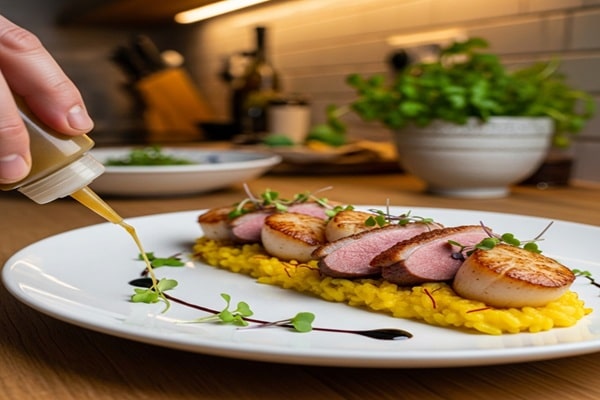
If you’ve ever tasted a dish that felt like a warm hug rich, colorful, and bursting with personality there’s a good chance it carried the heart of Bardoek cuisine. This style of cooking isn’t just about putting food on a plate. It’s storytelling, artistry, and tradition woven together through flavor.
Many people admire Bardoek dishes at restaurants but never try making them at home. The truth? You can bring that same magic into your own kitchen, and it’s easier than you think. Once you understand the simple principles behind the flavors, textures, and ingredients, you’ll be whipping up meals that surprise even you.
Let’s explore what makes Bardoek cuisine stand out and how you can recreate those unforgettable dishes with confidence.
Contents
- 1 Why Fresh, Local Ingredients Make All the Difference
- 2 The Essential Elements That Define a Bardoek Dish
- 3 A Simple Step-by-Step Guide to Making a Bardoek Dish at Home
- 4 Traditional vs. Modern Bardoek Dishes: What Sets Them Apart?
- 5 Drink Pairings That Elevate Bardoek Flavors
- 6 How to Host an Unforgettable Bardoek-Inspired Dinner Party
- 7 Why Bringing Bardoek Cuisine Into Your Home Is So Rewarding
Why Fresh, Local Ingredients Make All the Difference
Bardoek cooking relies heavily on what’s grown close to home. Freshness isn’t a luxury here—it’s the foundation of every dish.
When you use ingredients that were harvested recently, the flavors open up beautifully. Vegetables have more crunch. Fruits taste brighter. Herbs release deeper aromas. Nothing feels dull or muted.
Here’s why choosing seasonal, local produce matters:
-
Peak flavor: Seasonal ingredients taste fuller and naturally sweeter or richer.
-
Fewer chemicals: Locally sourced foods often have fewer preservatives.
-
Better texture: Fresh ingredients keep their firmness and structure while cooking.
-
Community connection: Visiting local markets or farms builds relationships and inspires new recipe ideas.
With Bardoek cuisine, your ingredients do most of the heavy lifting. When they’re at their best, your dishes automatically become more satisfying.
The Essential Elements That Define a Bardoek Dish
A good Bardoek meal doesn’t rely on complicated techniques or hard-to-find ingredients. Instead, it focuses on balance. Every part of the dish is meant to complement the others, creating something harmonious and memorable.
1. Fresh herbs that wake up the senses
Herbs like cilantro, mint, parsley, and basil bring life to the plate. They cut through richness and brighten heavier components.
2. Layered textures
Crunchy, soft, smooth, crispy—Bardoek dishes love contrast.
Think:
-
Crisp vegetables
-
Creamy dips
-
Tender proteins
-
Light, flaky flatbreads
The combination keeps every bite interesting.
3. A celebration of color
A typical Bardoek plate looks like a painter’s palette. The more color, the better.
Bright reds from peppers, deep greens from herbs, golden browns from toasted spices—these aren’t just pretty; they hint at the variety of flavors waiting in each bite.
4. Thoughtful presentation
Visual appeal matters. Food is arranged with intention. A beautiful plate sets the tone and makes every meal feel special.
A Simple Step-by-Step Guide to Making a Bardoek Dish at Home
Ready to try it yourself? Here’s an easy method you can use to create a flavorful Bardoek-inspired dish, even if you’re new to this style of cooking.
Step 1: Pick your star ingredient
Your base can be:
-
Fresh vegetables
-
Chicken, beef, or lamb
-
Seafood like fish or prawns
Each brings its own character and works well with Bardoek seasonings.
Step 2: Gather your seasonings
Bold, earthy spices make the flavors stand out. Popular options include:
-
Cumin
-
Coriander
-
Turmeric
-
Paprika
You can mix and match based on what you enjoy.
Step 3: Prep everything evenly
Cut your vegetables and proteins into similar sizes. Uniform pieces cook evenly and look more polished on the plate.
Step 4: Build your aromatic base
Warm a little oil in a pan. Add onions, ginger, garlic, or chilies.
This first layer releases aromas that set the foundation for your dish.
Step 5: Add your main ingredient
Let your veggies or protein brown slightly. That bit of caramelization adds depth and sweetness.
Step 6: Add liquid for richness
Depending on the dish, you might add:
-
Coconut milk
-
Broth
-
A yogurt-based mixture
-
Tomato puree
This helps melt all the flavors together.
Step 7: Let it simmer
Give everything time to blend. Taste, adjust seasoning, and serve with rice, flatbread, or a side salad.
You’ll be surprised at how quickly your kitchen fills with enticing aromas.
Traditional vs. Modern Bardoek Dishes: What Sets Them Apart?
Bardoek cuisine has roots stretching back generations, and older recipes still have a firm place at the table. These classic dishes focus on simplicity and ingredients that were available locally for centuries. Slow-cooked stews, vegetable medleys, and herb-infused broths are some popular examples.
Traditional Bardoek cooking is known for:
-
Earthy flavors
-
Slow simmering
-
Familiar ingredients
-
Nostalgic memories passed down through families
On the other hand, modern interpretations introduce exciting new twists.
Modern Bardoek dishes feature:
-
Fusion techniques
-
Experimentation with plating
-
Unique textures and flavor pairings
-
More global influence
A chef might pair classic spices with international ingredients or use advanced techniques like sous-vide to achieve tender, consistent results.
Interestingly, both forms celebrate the same core values—freshness, color, balance, and heart.
The real beauty of Bardoek cuisine lies in its flexibility. You can stick to the classics or add your own modern twist. Either way, you get something unforgettable.
Also Read : Garrik Muller: Innovator, Artist, and Cultural Icon
Drink Pairings That Elevate Bardoek Flavors
The right drink can bring out new layers in your meal. Here are some pairing ideas that enhance the richness and spice of Bardoek dishes:
Wine pairings
-
Crisp white wine pairs beautifully with seafood dishes.
-
Bold red wine enhances deeper flavors in meat-based meals.
Non-alcoholic options
-
Herbal teas add a refreshing counterbalance to spicy components.
-
Fresh fruit juices complement vibrant, colorful dishes.
Cocktails
Citrus-forward cocktails brighten savory notes and cleanse the palate. A gin and tonic with herbs like mint or basil adds a light, aromatic finish.
Traditional beverages
Homemade fermented drinks or naturally brewed juices offer an authentic touch and pair wonderfully with rustic dishes.
How to Host an Unforgettable Bardoek-Inspired Dinner Party
If you want to impress your guests, a Bardoek-themed dinner is a fantastic idea. The cuisine is flavorful, colorful, and full of personality—perfect for creating a cozy yet celebratory environment.
Here are some ways to make the evening special:
1. Set the mood with warm, inviting décor
Soft lighting, rustic table settings, and natural textures create an atmosphere that matches the spirit of the dishes.
Instead of one big entrée, offer several small plates. This allows guests to explore different flavor combinations without feeling overwhelmed.
3. Make cooking part of the fun
Invite friends to help chop herbs, mix sauces, or warm flatbread. This turns prep time into a bonding experience.
4. Play music that suits the theme
Choose energetic or culturally inspired tunes that add a festive touch without distracting from conversation.
5. Pair drinks thoughtfully
Match beverages to each course to highlight specific flavors. Small touches like herb-infused cocktails or chilled fruit drinks can elevate the whole evening.
With the right planning, your guests will be talking about your dinner party long after they leave.
Why Bringing Bardoek Cuisine Into Your Home Is So Rewarding
Cooking Bardoek dishes at home opens up a world of creativity. You get to combine colors, textures, aromas, and flavors in ways that genuinely feel joyful. It’s not just about putting dinner on the table—it’s about expressing yourself.
You might follow a traditional recipe one night and experiment with new ingredients the next. Every dish reflects both your personality and the culture behind it.
By using seasonal ingredients, exploring spices, and embracing presentation, you transform everyday meals into something meaningful.
Whether you’re preparing a simple lunch for yourself or hosting a special dinner for loved ones, Bardoek cuisine brings warmth, connection, and flavor to the table.
So gather your favorite ingredients, trust your instincts, and let your creativity shine. Every dish you make becomes part of your own culinary journey—one delicious story at a time.

