
ActiveCampaign can connect with major CRM, sales, ecommerce, advertising, forms, webinar, analytics, and workflow tools, making it a strong choice for teams that want email automation tied to real customer actions.
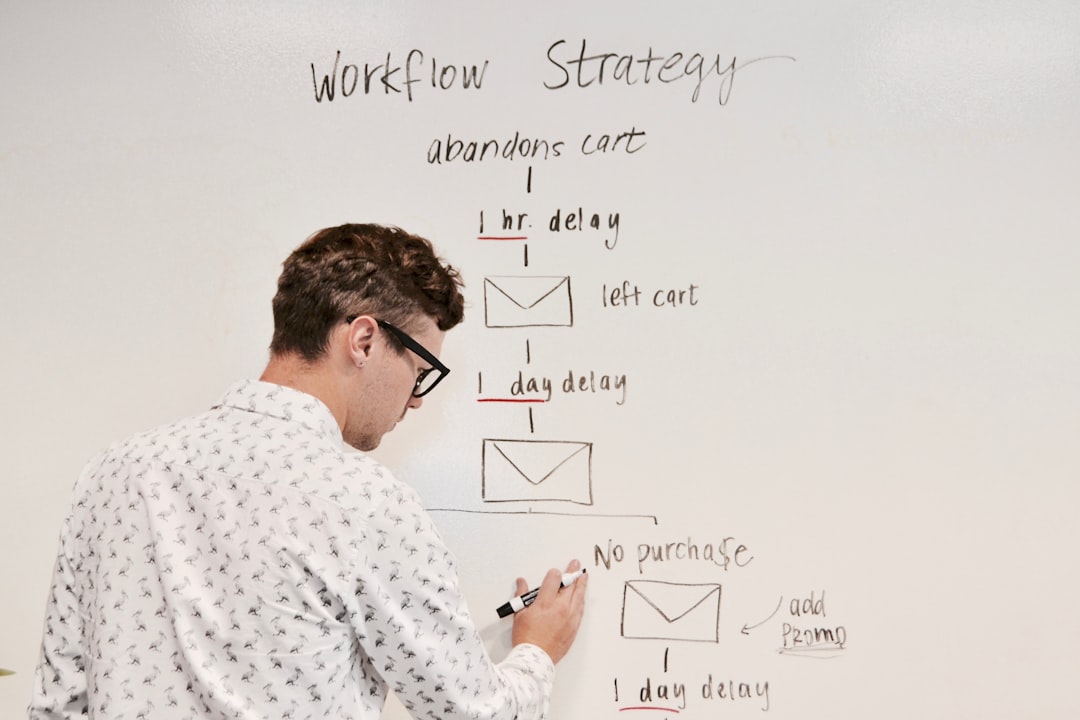
TLDR: ActiveCampaign integrations help businesses sync contacts, deals, purchases, forms, and campaign data across their stack. A small ecommerce team, for example, could connect Shopify, Facebook Lead Ads, and Slack, then trigger a 5-email cart recovery sequence that lifts recovered revenue by 12% in 60 days. Most popular tools connect through native integrations, while others require Zapier, Make, or the ActiveCampaign API. The main pain point is setup: field mapping and duplicate records can eat up a few extra hours if the data is messy.
Contents
- 1 What ActiveCampaign Integrations Are Best For
- 2 CRM Tools That Connect With ActiveCampaign
- 3 Sales Tools That Work With ActiveCampaign
- 4 Marketing Integrations Available In ActiveCampaign
- 5 Ecommerce Integrations Worth Knowing
- 6 Automation Connectors: Zapier, Make, and API
- 7 Analytics, Reporting, and Data Tools
- 8 How To Choose The Right ActiveCampaign Integrations
- 9 Common Problems With ActiveCampaign Integrations
- 10 FAQ
What ActiveCampaign Integrations Are Best For
ActiveCampaign is known for email marketing, automation, CRM features, lead scoring, and customer journeys. Its integrations make those features more useful because data does not stay trapped in separate tools.
A sales team can push booked calls into a pipeline. An ecommerce brand can trigger emails after a product view or abandoned cart. A marketing team can send Facebook leads into a welcome sequence within minutes.
The catch is that not every integration works the same way. Some are native and simple. Others need a connector app. A few need custom API work, which is where setup starts to feel less friendly.
CRM Tools That Connect With ActiveCampaign
Many teams use ActiveCampaign as a light CRM on its own. It includes deals, pipelines, tasks, contact records, custom fields, and lead scoring. Still, larger teams often pair it with another CRM.
- Salesforce: One of the most common choices for larger sales teams. Contacts, leads, opportunities, and campaign activity can sync between systems.
- HubSpot: Often connected through middleware. Useful when marketing teams want ActiveCampaign automations while sales teams stay inside HubSpot.
- Pipedrive: Popular with small and mid-sized sales teams. It can send deal updates and contact activity into ActiveCampaign through connector tools.
- Zoho CRM: A practical option for budget-focused teams. Contact and deal data can be synced through native or third-party routes.
- Freshsales: Useful for teams that want sales conversations, contact activity, and nurture emails tied together.
Best use case: A B2B company can sync new Salesforce leads into ActiveCampaign, assign a lead score based on email clicks, and notify a rep when a contact visits a pricing page twice.
Sales Tools That Work With ActiveCampaign
Sales integrations help teams move faster after a prospect takes action. Nobody wants to copy form answers into a CRM by hand. It drives teams crazy that one missed field can break a follow-up chain.
- Calendly: Adds booked meetings to contact records and can trigger reminders, sales prep emails, or post-call follow-ups.
- Gmail and Outlook: Useful for tracking conversations and keeping sales communication tied to customer records.
- Slack: Sends alerts when hot leads click key links, submit forms, or hit a lead score threshold.
- Google Sheets: Handy for simple reporting, lead imports, and shared lists.
- Aircall and other phone tools: Can help sales teams connect call activity with marketing and CRM records.
These connections are useful for sales handoffs. For example, if a lead downloads a product comparison guide, ActiveCampaign can increase the lead score, assign a task, and send a Slack alert to the right salesperson.
Marketing Integrations Available In ActiveCampaign
ActiveCampaign connects with many tools used for lead capture, ads, landing pages, webinars, and customer tracking.
- Facebook Lead Ads: Sends new ad leads into lists, automations, or CRM pipelines.
- Google Ads: Helps connect ad engagement with campaign performance and audience activity.
- Typeform, Jotform, and Gravity Forms: Capture form responses and trigger segmented follow-ups.
- Unbounce and Leadpages: Connect landing page leads with email campaigns and sales flows.
- WordPress: Adds site forms, tracking, and subscriber capture from a website.
- Webinar tools such as Zoom and GoTo Webinar: Trigger reminders, attendance follow-ups, and replay emails.

Example: A coaching business can connect Typeform and Zoom. When someone fills out an application, ActiveCampaign can tag the contact, send a booking link, register the person for a webinar, and start a follow-up sequence based on attendance.
Ecommerce Integrations Worth Knowing
Ecommerce is one of ActiveCampaign’s strongest areas. Store data can power better segmentation and more timely messages.
- Shopify: Supports purchase tracking, abandoned cart emails, product recommendations, and customer segmentation.
- WooCommerce: Connects order data, customer behavior, and cart events with automations.
- BigCommerce: Useful for syncing purchase history and building customer journeys.
- Stripe: Can connect payment events with contact updates and follow-up messages.
With ecommerce data, a brand can target first-time buyers, repeat customers, high spenders, and inactive shoppers. A simple flow might send a thank-you email after purchase, a review request after 10 days, and a replenishment reminder after 30 days.
Automation Connectors: Zapier, Make, and API
Not every tool has a direct ActiveCampaign integration. That is where connector platforms come in.
- Zapier: Best for simple triggers and actions, such as “new lead in app A creates contact in ActiveCampaign.”
- Make: Better for visual workflows with several steps, filters, and data paths.
- ActiveCampaign API: Best for custom apps, internal systems, and advanced data syncs.
Expect to spend time testing these flows. A contact may sync in 5 seconds during one test and 45 seconds during another. That delay is not always a deal breaker, but it matters for sales alerts and time-sensitive campaigns.
Analytics, Reporting, and Data Tools
ActiveCampaign also connects with tools that help teams measure performance. Common options include Google Analytics, Google Tag Manager, Segment, Databox, and reporting dashboards.
These integrations help teams answer practical questions. Which campaign produced the most leads? Which email drove the most purchases? Which source brings contacts that later become customers?

How To Choose The Right ActiveCampaign Integrations
The best integrations depend on the business model. A SaaS company may care most about CRM sync, product events, and lead scoring. An ecommerce store may care more about cart recovery, purchase history, and SMS follow-ups.
A smart selection process starts with three questions:
- Which tool owns the customer record? This avoids duplicate contacts and broken reporting.
- Which actions should trigger automation? Examples include purchases, calls booked, forms submitted, and pages visited.
- Which fields must stay synced? Email, phone, lifecycle stage, deal value, purchase count, and lead source often matter most.
Teams should also check whether an integration is one-way or two-way. One-way sync may be enough for newsletter signups. Sales and CRM workflows often need two-way sync so both platforms stay updated.
Common Problems With ActiveCampaign Integrations
Most issues come from data quality. Duplicate emails, inconsistent tags, old custom fields, and mismatched lifecycle stages can create confusion fast.
Another common issue is over-automation. A contact might receive a welcome email, a sales email, and a promo email on the same day if rules are not planned well. That feels sloppy to the customer.
Before adding 15 integrations, teams should clean their fields, set naming rules, and map the ideal customer journey. Fewer, cleaner connections usually beat a bloated setup.
FAQ
Can ActiveCampaign replace a CRM?
Yes, for many small and mid-sized teams. It includes pipelines, deals, tasks, notes, lead scoring, and contact management. Larger teams may still prefer Salesforce, HubSpot, or another dedicated CRM.
Does ActiveCampaign integrate with Shopify?
Yes. Shopify is one of the strongest ecommerce integrations. It supports purchase tracking, abandoned cart workflows, customer segmentation, and product-based automation.
Can ActiveCampaign connect with Facebook Lead Ads?
Yes. New leads from Facebook Lead Ads can be sent into ActiveCampaign, tagged, added to lists, and placed into automated follow-up sequences.
What if a tool has no native ActiveCampaign integration?
Teams can often use Zapier, Make, or the ActiveCampaign API. These options connect many apps, though setup and testing may take longer.
Are ActiveCampaign integrations hard to set up?
Basic integrations are usually simple. More complex CRM, ecommerce, or multi-step workflows need careful field mapping, testing, and cleanup to avoid duplicate records or broken automations.

