
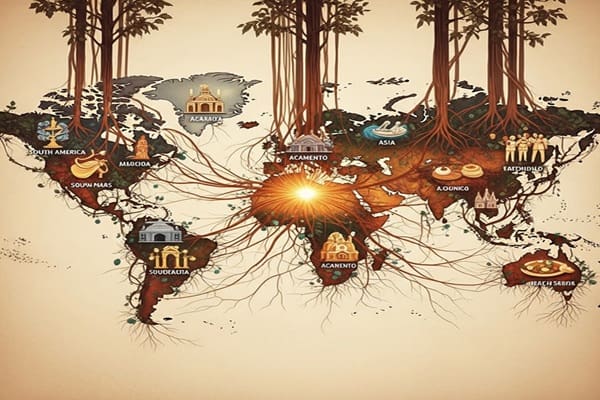
Imagine stepping into a celebration that feels alive, where music, color, and shared traditions pull everyone together. That’s the magic of acamento. This isn’t just another festival or ceremony—it’s a cultural heartbeat, connecting people through heritage, identity, and community. From bustling city parades to intimate village rituals, acamento shows how traditions evolve while keeping cultural roots alive.
Whether you’ve heard of acamento or are discovering it for the first time, this guide takes you through its history, diverse practices, modern adaptations, and why it continues to resonate around the world.
Contents
- 1 What Is Acamento? A Celebration of Identity and Community
- 2 The History and Origins of Acamento
- 3 Acamento Around the World: Unique Celebrations
- 4 Traditional Rituals and Practices in Acamento
- 5 Modern Adaptations of Acamento
- 6 The Role of Globalization in Acamento Celebrations
- 7 Why Preserving Acamento Matters
- 8 How You Can Experience Acamento Yourself
- 9 Conclusion: The Living Legacy of Acamento
What Is Acamento? A Celebration of Identity and Community
At its core, acamento represents connection, celebration, and belonging. It’s a cultural practice that brings people together, often centered around milestones like:
-
Births or naming ceremonies
-
Weddings and anniversaries
-
Seasonal harvests and community gatherings
Every culture that celebrates acamento adds its unique flavor, from music and dance to food and storytelling. These elements do more than entertain—they allow participants to engage deeply with heritage, passing on values and traditions while creating lasting memories.
Acamento is a celebration of identity. Each community interprets it in ways that feel personal yet universal, emphasizing unity and shared joy.
The History and Origins of Acamento
Acamento has a rich past, stretching back to ancient civilizations. Many scholars believe it began as a rite of passage, marking important transitions in life, particularly the journey from youth to adulthood.
Early forms of acamento often tied closely to agriculture. Communities performed rituals to honor deities or forces thought to ensure fruitful harvests and prosperity. Ceremonies were a mix of:
-
Offerings to gods or ancestors
-
Communal feasts
-
Music and dance that echoed through villages
As societies traded and migrated, the practices of acamento spread and blended, creating region-specific celebrations while retaining their core theme of community and connection. Over time, modern interpretations emerged alongside traditional rituals, showing how cultural practices can evolve while honoring the past.
Acamento Around the World: Unique Celebrations
Acamento takes on fascinating forms in different regions, each reflecting local customs and values.
Brazil: Carnival Meets Tradition
In Brazil, acamento often merges with Carnival-style celebrations, where streets come alive with music, dance, and vibrant costumes. Samba rhythms, glittering outfits, and community parades make the festival feel larger than life while still honoring cultural heritage.
Africa: Unity Through Gathering
In various African countries, acamento emphasizes communal bonds. Families gather for meals, drum circles, and storytelling. The rhythmic beats of drums symbolize harmony and togetherness, creating a sense of belonging that strengthens community identity.
India: Spiritual Rituals and Offerings
In parts of Asia, like India, acamento often takes a spiritual form. Offerings to ancestors or deities highlight reverence for lineage and tradition. Music, incense, and rituals connect participants with their cultural roots in a deeply meaningful way.
Across all these cultures, the essence of acamento remains: celebrating identity, fostering connection, and honoring heritage—whether through joyous parades or solemn ceremonies.
Traditional Rituals and Practices in Acamento
Every acamento celebration comes with rituals that carry symbolic meaning. While they vary across regions, some common threads include:
-
Music and Dance: Rhythmic drumming, chanting, or melodic singing often accompanies gatherings, creating a celebratory atmosphere.
-
Food Offerings: Traditional dishes prepared for the occasion symbolize abundance and shared joy, connecting generations through flavor.
-
Storytelling: Elders recount myths, family histories, or moral tales, reinforcing identity and a sense of belonging.
-
Handcrafted Decorations: Community members craft items that symbolize cultural pride, often displayed during festivities as reminders of collective memory.
These practices do more than entertain—they reinforce values, pass down knowledge, and ensure each celebration feels meaningful and authentic.
Modern Adaptations of Acamento
As societies change, acamento has adapted without losing its essence. Modern celebrations often incorporate technology and urban lifestyles while keeping traditional values intact.
Digital Celebrations
Virtual gatherings allow families separated by distance to participate together, maintaining connections even when travel isn’t possible.
Social Media Influence
Platforms like Instagram and TikTok bring acamento to a global audience. Users share videos of music, dance, and crafts, inspiring younger generations to engage creatively with traditions.
Workshops and Urban Festivals
Hands-on experiences teach traditional arts, music, or dance to urban audiences. This encourages cross-cultural understanding and keeps heritage alive for future generations.
Artisan Crafts Online
E-commerce allows artisans to sell handcrafted items tied to acamento. This not only preserves skills but also spreads awareness and appreciation worldwide.
Through these modern adaptations, acamento continues to thrive, blending age-old rituals with contemporary culture.
The Role of Globalization in Acamento Celebrations
Globalization has introduced both opportunities and challenges for acamento:
-
Positive Impact: Cross-cultural exchanges enrich celebrations. New music, fusion cuisines, and creative interpretations keep traditions fresh.
-
Challenges: Some practices risk losing authenticity as global trends influence rituals, costumes, or even foods.
Communities today carefully balance innovation and preservation, ensuring that the core essence of acamento—connection and heritage—remains intact.
Why Preserving Acamento Matters
Keeping acamento alive is about more than just honoring the past. It ensures cultural knowledge and shared identity are passed to future generations.
Ways Communities Preserve Acamento:
-
Local Festivals: Large gatherings invite people to participate, learn, and connect with traditions.
-
Educational Programs: Classes, workshops, and storytelling sessions teach younger generations the history and significance of rituals.
-
Digital Documentation: Social media, blogs, and videos help capture celebrations and spread awareness globally.
Preservation allows acamento to evolve naturally without losing its roots, making it a living tradition that continues to inspire.
Also Read : The Art of Bardoek: Crafting the Perfect Dish at Home
How You Can Experience Acamento Yourself
You don’t need to travel across continents to appreciate acamento. Here’s how to bring the spirit into your life:
-
Attend local festivals that celebrate cultural heritage.
-
Try traditional recipes or prepare foods symbolic of the celebration.
-
Learn music or dance styles associated with acamento through workshops or online tutorials.
-
Engage in storytelling—talk to elders in your family or community to learn about rituals and their meaning.
These simple steps help you connect with culture in a meaningful, hands-on way.
Conclusion: The Living Legacy of Acamento
Acamento is a tapestry of human expression. It connects generations, strengthens communities, and celebrates the richness of cultural heritage. Each celebration, whether in Brazil, Africa, India, or elsewhere, reflects unique customs while maintaining universal values of unity, joy, and identity.
Modern adaptations, digital platforms, and globalization ensure acamento stays relevant, giving traditions a new life in contemporary contexts. Yet, the core message remains unchanged: community, connection, and the celebration of heritage.
By engaging with acamento, whether through participation, learning, or sharing, we contribute to the preservation of a living tradition that transcends borders. Every song, dance, story, or meal shared is part of a legacy that continues to grow, evolve, and inspire.

