
You know that moment when you stumble across a word online and think, “Okay, this sounds fancy… but what is it really?” That’s exactly how acryldach caught my attention. It popped up in a couple of design chats I follow, and suddenly I noticed it everywhere. Roof forums, architecture blogs, even casual DIY discussions. Curious much? Same here.
So let’s talk about acryldach like two friends chatting over coffee. No stiff explanations. No textbook vibes. Just a clear, honest breakdown of what it is, why people care, and whether it’s actually worth the hype.
Contents
- 1 What Exactly Is Acryldach?
- 2 Why Is Everyone Suddenly Talking About Acryldach?
- 3 What Makes Acrylic Roofing So Special?
- 4 Where People Use Acryldach in Real Life
- 5 Acryldach vs Other Roofing Options
- 6 Installation: What You Should Know
- 7 Maintenance: Is It High or Low Effort?
- 8 Durability and Lifespan
- 9 Common Concerns People Ask About
- 10 Sustainability and Eco Impact
- 11 Why Designers Love Acryldach
- 12 Is Acryldach Worth It? My Honest Take
- 13 The Future of Acryldach
- 14 Conclusion: Why Acryldach Deserves Attention
What Exactly Is Acryldach?
At its simplest, acryldach means a roof made from acrylic materials. The word comes from German roots: “acryl” for acrylic and “dach” for roof. Pretty literal, right? But don’t let the simple translation fool you. This roofing style packs way more personality than you’d expect.
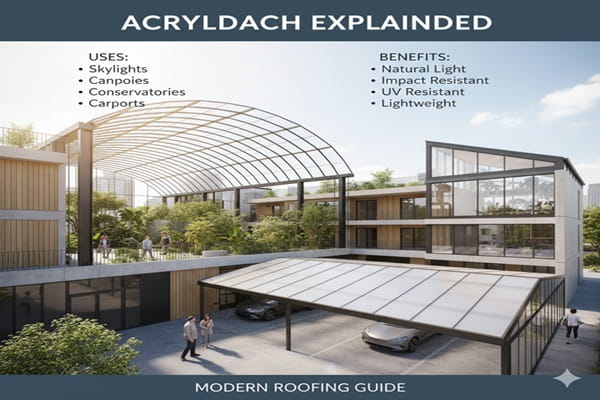
People use acryldach systems when they want light, durability, and a clean modern look without dealing with heavy glass or dull metal. Think patios, pergolas, carports, greenhouses, and even commercial spaces that crave sunlight without chaos.
And yes, it looks cool. I won’t pretend that doesn’t matter.
Why Is Everyone Suddenly Talking About Acryldach?
Here’s the thing. People don’t search for boring stuff. They search for things that solve problems or make life easier. Acryldach does both.
Traditional roofs block light. Glass roofs look great but break your budget and your nerves. Acrylic roofing sits right in the sweet spot. It lets in sunlight, handles rough weather, and doesn’t feel fragile.
Ever sat under a patio roof that felt like a cave at noon? Yeah, acryldach fixes that.
What Makes Acrylic Roofing So Special?
The Material Behind the Magic
Acryldach systems usually use PMMA (polymethyl methacrylate). That sounds scary, but it’s just a strong, clear plastic that behaves like glass without the drama.
Here’s why I like it:
-
High clarity that stays clear for years
-
UV resistance that protects both people and furniture
-
Lightweight strength that doesn’t stress the structure
-
Weather resistance that laughs at rain and sun
IMO, that combo explains why architects keep choosing it.
Does It Really Let in That Much Light?
Short answer: yes.
Long answer: a lot of light, but in a controlled way. High-quality acryldach panels allow natural daylight while filtering harmful UV rays. That means bright spaces without turning your patio into a greenhouse sauna.
Ever wondered why some covered patios still feel open and airy? This is usually why.
Where People Use Acryldach in Real Life
Homes and Outdoor Spaces
Homeowners love acryldach because it upgrades everyday spaces without tearing everything down.
Common uses include:
-
Patios and verandas that feel open even on cloudy days
-
Pergolas that look stylish instead of bulky
-
Carports that protect cars without blocking light
-
Skylights that brighten dark rooms naturally
I’ve seen a neighbor replace a metal patio roof with acrylic panels, and the difference was wild. Same space. Totally different mood.
Commercial and Public Spaces
Businesses also jump on the acryldach train, especially where light matters.
You’ll often spot it in:
-
Shopping center walkways
-
Office atriums
-
Transit shelters
-
Cafés with outdoor seating
Natural light boosts mood. Happy people hang around longer. Coincidence? Probably not.
Acryldach vs Other Roofing Options
Let’s compare without sugarcoating anything.
Acryldach vs Glass
Glass looks premium, but it comes with baggage.
-
Acrylic weighs less
-
Acrylic handles impact better
-
Acrylic costs less in many cases
Glass wins on scratch resistance, but acrylic wins on sanity. One hailstorm can settle that debate real quick.
Acryldach vs Polycarbonate
This one sparks debates.
-
Polycarbonate resists impact better
-
Acrylic looks clearer and stays clearer
-
Acrylic feels more “architectural”
If you want a nearly unbreakable roof, polycarbonate works. If you want clarity and style, acryldach takes it.
Acryldach vs Metal or Tiles
Metal roofs last forever but block light. Tiles feel classic but add weight.
Acryldach offers:
-
Light transmission
-
Modern design
-
Lower structural load
If brightness matters, acrylic wins every time.
Installation: What You Should Know
Installing acryldach doesn’t feel overly complex, but it does demand care.
Here’s how it usually goes:
-
Measure precisely because acrylic hates sloppy fitting
-
Build a solid frame, often aluminum or treated wood
-
Allow room for thermal expansion
-
Seal joints properly to avoid leaks
-
Finish with trims for durability
DIY works for small projects, but I’d still recommend a pro for larger roofs. Trust me, leaks ruin weekends fast.
Also Read : Florncelol Explained: The Viral Gaming Username Trend
Maintenance: Is It High or Low Effort?
This part surprises people.
Acryldach needs very little maintenance. You clean it occasionally with mild soap and water. That’s it.
Things to avoid:
-
Abrasive sponges
-
Harsh chemicals
-
Walking directly on panels
Treat it nicely and it stays clear for decades. FYI, that’s more than you can say for many traditional roofing materials.
Durability and Lifespan
A well-installed acryldach system often lasts 20 to 30 years or more.
Why so long?
-
Acrylic doesn’t rust
-
UV coatings prevent yellowing
-
Panels resist moisture damage
Sure, scratches can happen, but overall durability stays strong. This stuff doesn’t age badly if you choose quality panels.
Common Concerns People Ask About
Does Acryldach Turn Yellow Over Time?
Cheap acrylic can yellow. High-quality acryldach panels don’t. Always check for UV-stabilized materials. That single detail matters more than people realize.
Can It Handle Heat and Cold?
Yes, but installers must allow for thermal expansion. Acrylic expands and contracts with temperature changes. When done right, this never causes issues.
When done wrong? Cracks happen. Choose wisely.
Is It Safe in Heavy Rain or Snow?
Absolutely. Acrylic handles rain, wind, and moderate snow loads very well when installed on a proper frame. Just don’t cheap out on supports.
Sustainability and Eco Impact
Here’s a bonus point.
Acryldach contributes to energy efficiency because:
-
Natural light reduces daytime electricity use
-
Long lifespan reduces replacement waste
-
Acrylic materials can be recycled
It’s not perfect, but it’s far from wasteful. And every bit helps, right? 🙂
Why Designers Love Acryldach
Architects love materials that balance function and aesthetics. Acryldach nails that balance.
It offers:
-
Clean lines
-
Modern transparency
-
Flexible shapes and sizes
You’ll see it more often in minimalist and contemporary designs because it doesn’t scream for attention. It just quietly works.
Is Acryldach Worth It? My Honest Take
Short answer: yes, if light matters to you.
If you want a dark, solid roof, look elsewhere. But if you want brightness, openness, and a modern feel, acryldach delivers.
I wouldn’t use it everywhere, but for patios, skylights, and semi-open spaces, it’s hard to beat.
The Future of Acryldach
This material keeps evolving.
Manufacturers now experiment with:
-
Smart tinting panels
-
Better scratch-resistant coatings
-
Integrated solar options
As building trends lean toward sustainability and daylighting, acryldach fits perfectly into what comes next.
Conclusion: Why Acryldach Deserves Attention
Let’s wrap this up without getting cheesy.
Acryldach combines light, strength, and modern style in a way few roofing materials can. It solves real problems without adding unnecessary complexity. It brightens spaces, looks clean, and lasts longer than most people expect.
If you value natural light and smart design, acryldach makes a lot of sense. And hey, next time someone drops that word in conversation, you won’t just nod politely. You’ll actually know what they mean and why it matters.

