
Encrypted messaging protects the content of your chats so the app provider, your internet provider, and most attackers cannot read them. In plain terms, a message is locked on your phone and opened only on the recipient’s phone. The Electronic Frontier Foundation describes end to end encryption as a system where only the communicating users can read the messages [source: EFF].
TLDR: For most people, Signal is the best mix of privacy, trust, and ease of use. Threema is strong if you want fewer links to your phone number, while Session is for people who care more about anonymity than polish. For example, a small team of 12 people handling legal files would likely pick Signal for daily use, but an activist group that must avoid phone numbers may prefer Session or Threema.
Contents
- 1 What encrypted messaging really means
- 2 Signal: the safest default for most users
- 3 Threema: privacy with less phone number exposure
- 4 Session: anonymity first, comfort second
- 5 What about WhatsApp, Telegram, iMessage, and Wire?
- 6 How to choose the right private messaging app
- 7 Security habits matter too
What encrypted messaging really means
Encrypted messaging uses math to scramble messages before they leave your device. The message travels across servers as unreadable data. Only the right recipient has the key to read it.
This is usually called end to end encryption. It protects message content, photos, voice notes, files, and calls when done well. But it does not hide everything. Apps may still collect metadata, such as who you contacted, when you used the app, your IP address, or your phone number.
That gap matters. A message can be private, while your pattern of contact is not. It drives me crazy that many apps advertise “encrypted” as if that answers every privacy question. It does not.
Signal: the safest default for most users
Signal is widely trusted because it is open source, free, and built around the Signal Protocol. Security researchers can inspect the code. The app supports encrypted texts, group chats, voice calls, video calls, disappearing messages, and sealed sender features.
- Best for: families, journalists, lawyers, health workers, and normal daily use.
- Strengths: strong encryption, clean design, free use, good calls, broad trust.
- Weak points: it still needs a phone number, though usernames reduce how often you share it.
Signal is also easy to explain to less technical people. That matters more than security purists like to admit. If your parents, coworkers, or clients refuse to use an app, its strong crypto is useless.
Threema: privacy with less phone number exposure
Threema is a paid messaging app based in Switzerland. Its big appeal is that you can use it without tying your account to a phone number or email address. You get a random Threema ID instead.
- Best for: people who want strong privacy without making a phone number central.
- Strengths: no required phone number, paid model, business version, strong identity checks.
- Weak points: smaller user base and a small upfront fee.
The fee is not huge, but it creates friction. Expect to waste time convincing a group chat to pay for yet another app. In business settings, that is easier. In friend groups, not so much.
Session: anonymity first, comfort second
Session takes a different path. It does not require a phone number or email address. It routes messages through a decentralized network, which helps reduce the amount of identifying data tied to your messages.
- Best for: activists, whistleblowers, researchers, and users who need account anonymity.
- Strengths: no phone number, less identity exposure, privacy focused design.
- Weak points: slower feel, fewer users, and less polished calling features.
Session is not the app I would give to a whole office by default. It is better for specific risk profiles. If hiding your phone number is more important than convenience, it becomes much more attractive.
What about WhatsApp, Telegram, iMessage, and Wire?
WhatsApp uses end to end encryption for personal chats by default. That is good. The problem is metadata and ownership by Meta. Many people use it because everyone else already does.
Telegram is often misunderstood. Regular Telegram chats are not end to end encrypted by default. You need “Secret Chats” for that, and they do not work the same way across all devices. This confuses users, which is never great for privacy.
Apple iMessage is encrypted between Apple devices. It works well inside Apple’s system. But green bubble SMS messages are not the same, and backups can change the risk depending on settings.
Wire is a serious option for teams. It offers encrypted messaging and business controls. It is less common for personal use, but worth checking for organizations.
How to choose the right private messaging app
- Choose Signal if you want the best all round privacy app with the least drama.
- Choose Threema if you want less reliance on phone numbers and can accept a paid app.
- Choose Session if anonymity matters more than speed and mainstream adoption.
- Use WhatsApp when reach matters, but be realistic about metadata.
- Avoid Telegram for sensitive chats unless you are using Secret Chats correctly.
Security habits matter too
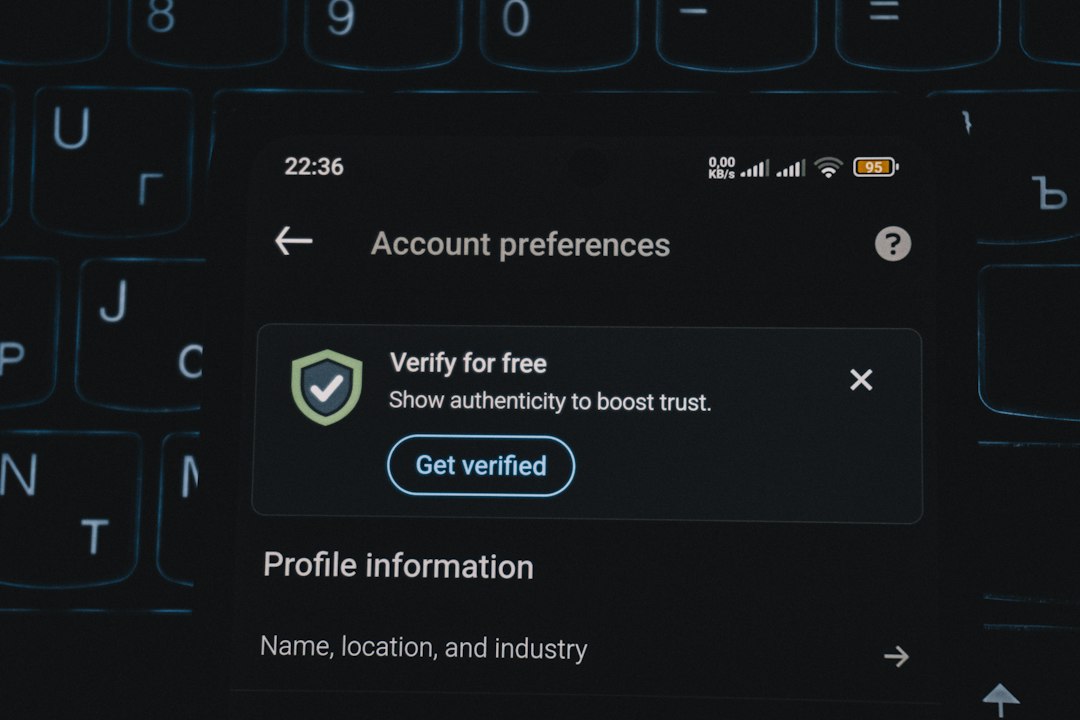
No app can save you from every mistake. Use a strong phone lock. Turn on disappearing messages when needed. Verify safety numbers for sensitive contacts. Avoid cloud backups for chats that must stay private. Keep the app updated.
Also think about screenshots. If the other person can see a message, they can copy it, photograph it, or forward it. Encryption protects the route. It cannot fix bad trust.
Final recommendation: start with Signal. It is serious, stable, and simple enough for daily life. Move to Threema or Session only when you have a clear reason, such as avoiding phone numbers or reducing identity exposure.

