
The best days to post on Instagram are usually Tuesday, Wednesday, and Thursday, but your real winning days come from your own audience data. General studies are useful starting points, not rules. If your followers are most active on Sunday night or Friday morning, that beats any global benchmark.
TLDR: Start by testing posts on Tuesday, Wednesday, and Thursday, then compare reach, saves, comments, shares, and follower growth in Instagram Insights. For example, a small fitness coach might find that Wednesday Reels get 38% more reach than Monday posts, while Sunday carousel posts bring 22% more saves. Track results for at least four weeks before changing your schedule. The “best day” is the day your audience takes action, not just the day they scroll.
Contents
- 1 Why posting day still matters on Instagram
- 2 Best days to post on Instagram as a starting point
- 3 Match the day to the content type
- 4 Use Instagram Insights to find your best days
- 5 Run a four week posting test
- 6 Think about your audience’s weekly habits
- 7 Do not ignore time zones
- 8 Best days by account type
- 9 Watch for bad data traps
- 10 Build a posting schedule you can actually keep
Why posting day still matters on Instagram
Instagram does not show every post to every follower. It tests content with a small group first. If that group reacts quickly, the post can reach more people through the feed, Reels tab, Explore, hashtags, shares, and suggested content.
That means timing still matters. A strong post published when your audience is offline may get a slow start. A decent post published when people are active can get early likes, comments, saves, and shares. Those signals help the post travel farther.
The catch is that “best day” changes by account type. A restaurant, a beauty creator, a B2B consultant, and a travel page will not share the same perfect schedule. Their audiences use Instagram for different reasons.
Best days to post on Instagram as a starting point
If you have no data yet, use these days as your first test:
- Tuesday: Often strong for educational posts, product content, tutorials, and Reels.
- Wednesday: A reliable midweek day for reach and engagement across many accounts.
- Thursday: Useful for community posts, launches, reminders, and content that asks for replies.
- Friday: Can work well for lifestyle, entertainment, restaurants, events, and shopping content.
- Sunday: Often mixed, but great for planning content, reflective posts, wellness, and personal brands.
Monday can be hit or miss. People are catching up, rushing, or mentally buried in work. Saturday can also be unpredictable. Some users scroll heavily, but others are busy offline.
Match the day to the content type
Not every post has the same goal. A Reel built for discovery may perform best on a different day than a carousel built for saves. This is where many brands get sloppy. They judge all posts by the same metric, then wonder why the data feels useless.
Use this simple match:
- Reels: Test Tuesday through Thursday for discovery and reach.
- Carousels: Test Sunday, Tuesday, and Wednesday for saves and deeper reading.
- Product posts: Test Thursday and Friday when purchase intent may be higher.
- Behind the scenes posts: Test Friday and Sunday for casual browsing.
- Live announcements: Test Wednesday or Thursday, then remind followers in Stories.
If you post a heavy tutorial on a Friday night, it may underperform because people are not in “study mode.” If you post a fun event Reel on Friday afternoon, it may do great. Same platform. Different user mood.
Use Instagram Insights to find your best days
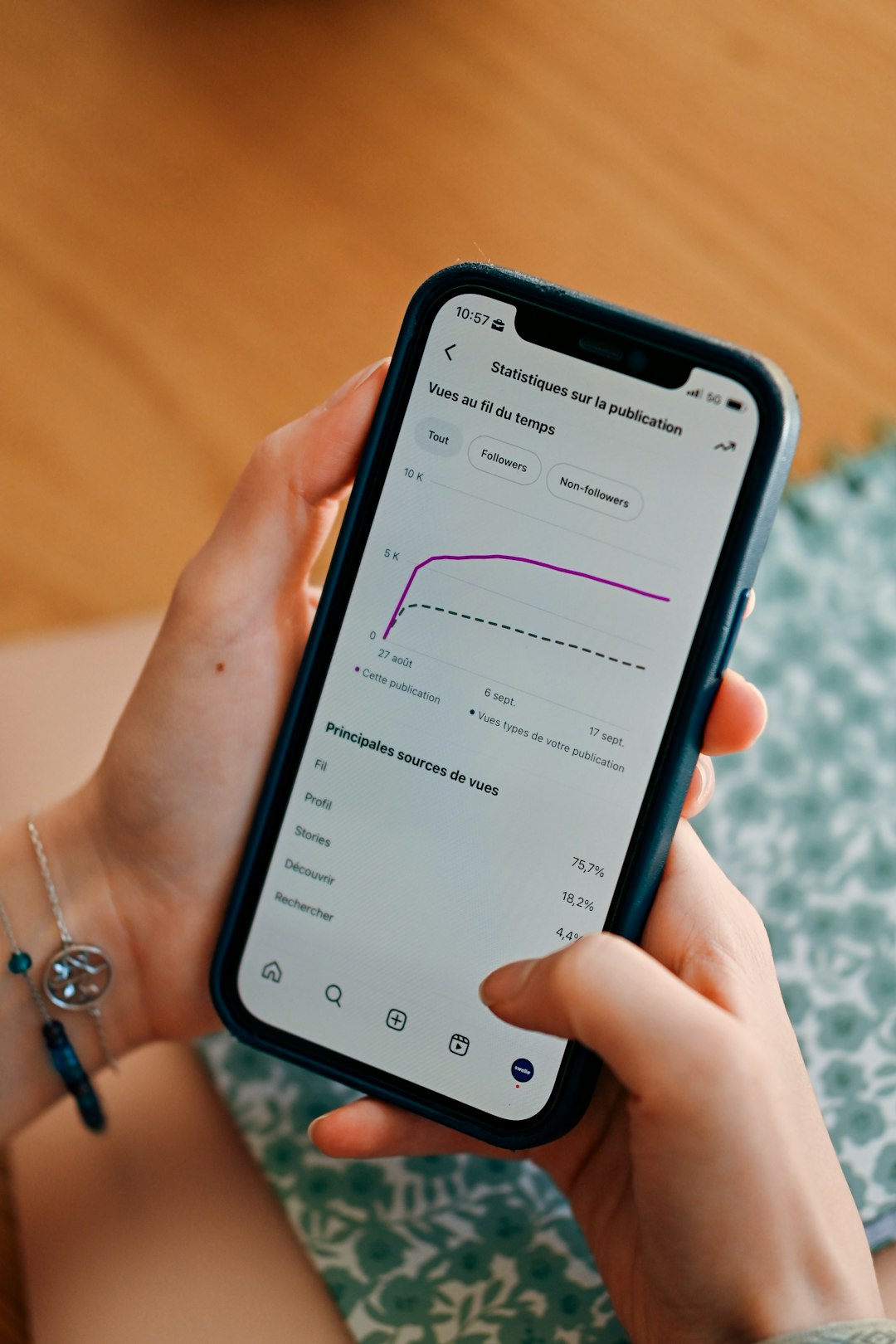
Instagram gives you enough data to make smarter posting choices. You do not need a complicated dashboard at first. Open your account analytics and focus on patterns.
Check these areas:
- Follower active times: Look at which days your followers are online.
- Reach by post: Compare similar post formats across different days.
- Engagement rate: Track likes, comments, saves, and shares against reach.
- Profile activity: Watch profile visits, follows, website taps, and message clicks.
- Content format: Separate Reels, carousels, Stories, and single images.
Honestly, it feels like Instagram hides useful patterns behind too many taps. You may spend 20 seconds jumping between screens just to compare two posts. Still, the data is worth checking weekly.
Run a four week posting test
Guessing wastes time. Testing gives you answers. Run a simple four week test before deciding your best posting days.
Here is a practical test plan:
- Week 1: Post on Tuesday, Wednesday, and Thursday.
- Week 2: Post on Monday, Wednesday, and Friday.
- Week 3: Post on Tuesday, Thursday, and Sunday.
- Week 4: Repeat your strongest three days from the first three weeks.
Keep the content quality as even as possible. Do not test a simple selfie against a polished Reel and blame the posting day. Compare similar formats, topics, and effort levels.
Use a small spreadsheet with columns for:
- Post date
- Day of week
- Post format
- Topic
- Reach
- Likes
- Comments
- Saves
- Shares
- New followers
After four weeks, sort by reach, then by saves, shares, and follows. Likes are nice, but they are not always the best signal. Saves and shares often show stronger interest.
Think about your audience’s weekly habits
Your best day depends on when your audience has time, energy, and intent. A parenting account may see strong activity after bedtime. A finance page may perform well midweek during lunch breaks. A local bakery may get more attention on Thursday and Friday, when people plan weekend treats.
Ask yourself:
- When does my audience need this content?
- When are they most likely to save it?
- When are they ready to buy, book, message, or share?
- Does my content fit work mode, relax mode, or shopping mode?
A wedding photographer, for example, may find Sunday evenings strong because couples plan during downtime. A software educator may see better results on Tuesday mornings, when people are focused and ready to learn.
Do not ignore time zones
Posting day can shift when your audience is spread across regions. If you live in London but most followers are in New York, your “Wednesday morning” may hit them too early. If your audience is global, focus on overlap windows.
For international accounts, test two posting windows:
- Morning in your main market: Good for educational or news style content.
- Evening in your main market: Good for Reels, lifestyle posts, and community content.
Do not chase every time zone. Pick the top one or two follower locations and build around them.
Best days by account type
Use these as starting points, then test:
- Ecommerce: Thursday, Friday, and Sunday for product browsing and purchase planning.
- Coaches and consultants: Tuesday, Wednesday, and Thursday for teaching and trust building.
- Restaurants and local venues: Thursday, Friday, and Saturday for weekend decisions.
- Fitness creators: Monday, Tuesday, and Sunday for routine setting and motivation.
- Beauty and fashion: Wednesday, Friday, and Sunday for inspiration and shopping ideas.
- B2B brands: Tuesday through Thursday, especially during work hours.
Watch for bad data traps
One viral post can fool you. One poor post can also scare you away from a good day. Do not judge your schedule from a single upload.
Avoid these mistakes:
- Testing too many changes at once: If you change the day, format, topic, and caption style, you will not know what worked.
- Only tracking likes: Likes are quick. Saves, shares, comments, and follows often matter more.
- Posting at random: Random posts create random data.
- Ignoring Stories: Stories can warm up your audience before a feed post or Reel.
- Copying competitors blindly: Their audience may behave nothing like yours.
Build a posting schedule you can actually keep
The best Instagram schedule is not the one that looks impressive in a planning app. It is the one you can follow without burning out. If your data says Tuesday, Wednesday, and Thursday are strong, start there. Add Friday or Sunday only if you have enough quality content.
A simple weekly plan might look like this:
- Tuesday: Reel for reach.
- Wednesday: Carousel for saves.
- Thursday: Post with a clear call to action.
- Sunday: Story poll, recap, or soft community post.
Review results every month. Keep what works. Replace what does not. The right days will become clear when you stop chasing generic advice and start reading your own numbers.

