
Distribution means getting value from one place to another, whether that value is goods, data, software, money, workloads, or customer attention.
Contents
- 1 TLDR
- 2 1. Product Distribution in Business
- 3 2. Software Distribution
- 4 3. Data Distribution
- 5 4. Network and Traffic Distribution
- 6 5. Distribution Channels in Marketing and Sales
- 7 6. Probability Distribution in Analytics
- 8 7. Financial Distribution
- 9 Why the Meaning Changes by Context
- 10 Quick Comparison
- 11 FAQ
TLDR
Distribution is used in technology and business to describe how products, data, software, traffic, risk, money, and content move across systems or markets. For example, a retailer that adds two regional warehouses may cut average delivery time from 4.1 days to 2.8 days and reduce stockouts by 14%. The same word can also describe a cloud system spreading traffic across servers or a company selling through resellers instead of only its own website.
The word sounds simple, but it causes confusion because different teams use it in different ways. A logistics manager, data engineer, software architect, sales leader, and finance analyst may all say “distribution” and mean very different things. That mismatch wastes time. Sometimes it adds an extra 20 minutes to a meeting that should have been a five-minute decision.
1. Product Distribution in Business
Product distribution is the process of moving physical goods from a producer to the final buyer. It includes warehouses, carriers, wholesalers, retailers, delivery routes, and returns. This is the meaning most people learn first.
A food brand, for example, may produce snacks in one factory and sell them through supermarkets, convenience stores, and online marketplaces. Each channel needs stock, pricing rules, delivery schedules, and quality checks. If one link breaks, shelves go empty.
- Direct distribution: the company sells straight to customers.
- Indirect distribution: intermediaries such as retailers or wholesalers sell the product.
- Hybrid distribution: the company uses both direct and partner channels.
The catch is, more channels do not always mean more profit. Each new partner adds fees, reporting gaps, and inventory risk.

2. Software Distribution
Software distribution means delivering software to users, devices, or servers. It covers app stores, install packages, container images, update systems, internal deployment tools, and public repositories.
For consumer software, distribution may happen through Google Play, Apple’s App Store, or a direct download page. For enterprise software, it may happen through managed device policies, installer scripts, or cloud deployment pipelines.
This use of distribution focuses on access, version control, compatibility, and updates. A poor release process can push broken code to thousands of users in minutes. A strong process can roll out a patch to 5% of users first, watch error rates, then expand safely.
3. Data Distribution
Data distribution describes how data is stored, copied, shared, or spread across locations. In databases, it may mean splitting data across servers. In analytics, it may mean the pattern of values in a dataset.
These two meanings often collide. A data engineer may talk about distributing customer records across database shards. A statistician may talk about the distribution of customer ages. Both are valid.
- Distributed storage: data is stored across many machines.
- Replication: copies of data exist in more than one place.
- Statistical distribution: values follow a pattern, such as normal, skewed, or uniform.
Honestly, it feels like half the confusion comes from dashboards that label every chart “distribution” with no context. A histogram and a database cluster are not the same thing.
4. Network and Traffic Distribution
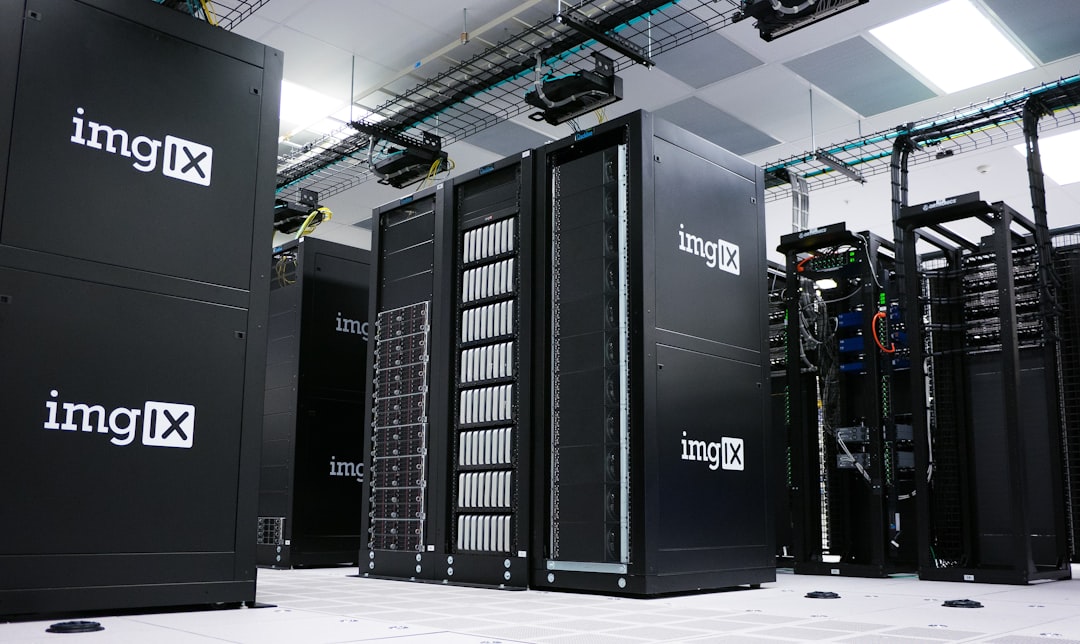
Network distribution refers to how digital traffic is spread across servers, regions, routers, or services. This is common in cloud computing, cybersecurity, and web operations.
A busy website may use a load balancer to send visitors to several servers instead of one. If one server fails, traffic can shift to another. This improves uptime and reduces slow page loads.
Traffic distribution also appears in content delivery networks, known as CDNs. A CDN places files such as images, scripts, and videos near users. A visitor in Paris may receive files from a nearby European server instead of a server in California.
5. Distribution Channels in Marketing and Sales
Distribution channels are the paths a company uses to reach buyers. In marketing, the “product” may be a message, offer, app, course, or service. In sales, the product may be sold through internal reps, affiliates, resellers, marketplaces, brokers, or retail partners.
A software company might sell through its own sales team, then add agencies and app marketplaces. A media company might distribute content through search, email, social platforms, podcasts, and syndication partners.
The main question is simple: Where does the customer already spend time, money, or attention? Good channel selection lowers acquisition cost. Bad channel selection burns budget fast.
- Search may bring high-intent visitors.
- Email may improve repeat purchases.
- Partners may expand reach in niche markets.
- Marketplaces may add trust but charge fees.
6. Probability Distribution in Analytics
Probability distribution is a statistical concept. It describes how likely different outcomes are. It is used in forecasting, risk analysis, quality control, machine learning, pricing, and operations planning.
For example, an ecommerce analyst may study the distribution of order values. If most orders sit between $35 and $55, but a few reach $900, the average may mislead managers. The median and percentiles may tell a cleaner story.
Common types include normal distribution, binomial distribution, and Poisson distribution. These models help teams estimate future demand, expected defects, delivery delays, or support ticket volume.
7. Financial Distribution
Financial distribution usually means paying out money. It can refer to dividends, retirement account withdrawals, profit sharing, insurance payouts, trust payments, or fund income.
A company may distribute profits to shareholders through dividends. A mutual fund may distribute income from interest, dividends, or realized gains. A retiree may take required withdrawals from a retirement account.
This meaning is less about movement through supply chains and more about allocation and payment. Timing matters. Tax treatment matters. Reporting matters. A late or incorrect distribution can create legal and accounting headaches.

Why the Meaning Changes by Context
Distribution always involves movement or spread. The object changes. In business operations, it is often goods. In software, it is code. In analytics, it is values. In finance, it is money. In marketing, it is reach.
Clear language helps. Teams should pair the word with a qualifier, such as product distribution, data distribution, or traffic distribution. That small habit prevents vague plans and messy handoffs.
Quick Comparison
- Product distribution: moves goods to customers.
- Software distribution: delivers apps, updates, and packages.
- Data distribution: spreads or analyzes data.
- Traffic distribution: balances digital requests across systems.
- Channel distribution: reaches buyers through sales or media paths.
- Probability distribution: models the likelihood of outcomes.
- Financial distribution: pays money to owners, investors, or beneficiaries.
FAQ
What is the simplest meaning of distribution?
Distribution means spreading, delivering, or allocating something. The “something” may be goods, software, data, money, traffic, or information.
How is distribution used in technology?
In technology, distribution often refers to software delivery, data storage across systems, network traffic balancing, or statistical patterns in analytics.
How is distribution used in business?
In business, distribution usually refers to moving products to customers, selling through channels, sharing profits, or allocating resources.
What is the difference between distribution and logistics?
Logistics covers planning, transport, storage, and coordination. Distribution is the part focused on getting goods or value to the intended destination.
Why does distribution matter?
Distribution affects cost, speed, reliability, customer access, and profit. A strong product may still fail if customers cannot find it, download it, receive it, or pay for it easily.
What is an example of poor distribution?
A company may run ads for a product that is out of stock in key regions. Demand exists, but the distribution system cannot supply it. Sales are lost, and customers get annoyed.

