

Build content around verified search intent first, then let editorial planning and growth targets follow. SEO works best when the team stops asking, “What should we publish?” and starts asking, “What problem is the searcher trying to solve, and what proof do we have?” That shift turns content from a publishing habit into a growth system.
TLDR: Match each keyword to a clear intent, assign it to the right content format, and measure performance by business impact, not just traffic. For example, a B2B software company might find that “CRM implementation checklist” brings 2,400 monthly searches with high buying intent, while a broad term like “what is CRM” brings more visits but fewer trials. After rebuilding 12 articles around intent and internal links, a realistic target might be a 25% lift in organic leads over 90 days. The point is simple: search intent tells you what to create, editorial planning tells you when to publish, and analytics tells you what deserves more investment.
Contents
- 1 Why search intent should control the content plan
- 2 Turn keywords into an editorial strategy
- 3 Build topic clusters with business logic
- 4 Match content depth to the decision stage
- 5 Use analytics to separate activity from progress
- 6 Create a repeatable workflow
- 7 Refresh before you chase more volume
- 8 The practical takeaway
Why search intent should control the content plan
Search intent is the reason behind a query. It explains whether someone wants to learn, compare, buy, fix, or find a specific brand. If your page does not match that reason, strong writing will not save it.
A person searching “best accounting software for freelancers” expects comparisons, pricing notes, use cases, and risks. A person searching “how to send an invoice” expects steps, examples, and maybe a template. Mixing those two needs into one article usually weakens both.
There are four common intent types:
- Informational: The user wants to learn or solve a basic problem.
- Commercial: The user is comparing options before a decision.
- Transactional: The user is ready to buy, sign up, book, or download.
- Brand or direct: The user is looking for a known company, product, or resource.
Good SEO planning starts by grouping keywords by intent, not by volume alone. High search volume can be useful, but it can also be a trap. Plenty of popular keywords attract people who have no budget, no urgency, and no reason to act.
Turn keywords into an editorial strategy
An editorial calendar is not just a list of titles and due dates. At least, it should not be. It should show how each piece supports a search goal, a user need, and a business outcome.
For each planned article, define these items before writing starts:
- Primary keyword: The main query the page should target.
- Search intent: The user’s likely goal.
- Content format: Guide, comparison, checklist, template, case study, glossary, or product page.
- Conversion path: Newsletter signup, demo request, product trial, quote request, or related page click.
- Internal links: Pages that should send authority to the new content and pages that should receive traffic from it.
- Refresh date: A planned review point, often every 3 to 6 months.
This level of planning sounds basic. Still, many teams skip it. It drives me crazy when a content calendar has 40 article ideas but no intent column, no funnel stage, and no owner for updates. That is not a strategy. That is a queue.
Build topic clusters with business logic
Topic clusters help search engines and users understand your authority. A cluster usually includes one central page and several supporting pages. The central page covers the main topic. Supporting pages answer narrower questions.
For example, a cybersecurity company might create a central guide on small business data protection. Supporting articles could cover password policies, endpoint protection, phishing training, backup schedules, and incident response plans. Each support page should link back to the central guide. The central guide should link to the support pages where relevant.
This structure has three benefits. It improves crawl paths. It keeps users moving through related resources. It also helps the team avoid publishing five articles that all compete for the same query.
Keyword overlap is a common source of lost growth. If two pages target the same intent, Google may struggle to choose between them. The result can be unstable rankings and diluted clicks. A simple content audit can reveal this problem fast.
Match content depth to the decision stage
Not every article needs to be massive. Depth should match intent. A broad educational guide may need definitions, examples, visuals, and expert quotes. A transactional page needs clarity, proof, pricing signals, trust markers, and action steps.
Use this simple model:
- Top of funnel: Explain the problem in plain language. Earn trust. Avoid heavy selling.
- Middle of funnel: Compare approaches. Show pros, cons, costs, and fit.
- Bottom of funnel: Remove doubt. Show proof, outcomes, FAQs, and a clear call to action.
Honestly, it feels like some SEO tools make this harder than it needs to be. You click through five screens, wait a few extra seconds for keyword data, and still have to decide intent yourself. Tools can help with research, but they should not replace judgment. The search results page is still the best clue. Study what ranks now. Look at formats, angles, dates, authorship, and the questions being answered.

Use analytics to separate activity from progress
Organic growth should not be measured by pageviews alone. Traffic matters, but low-quality traffic can make reports look better than the business feels. Track metrics that connect search behavior to useful outcomes.
Useful SEO and content metrics include:
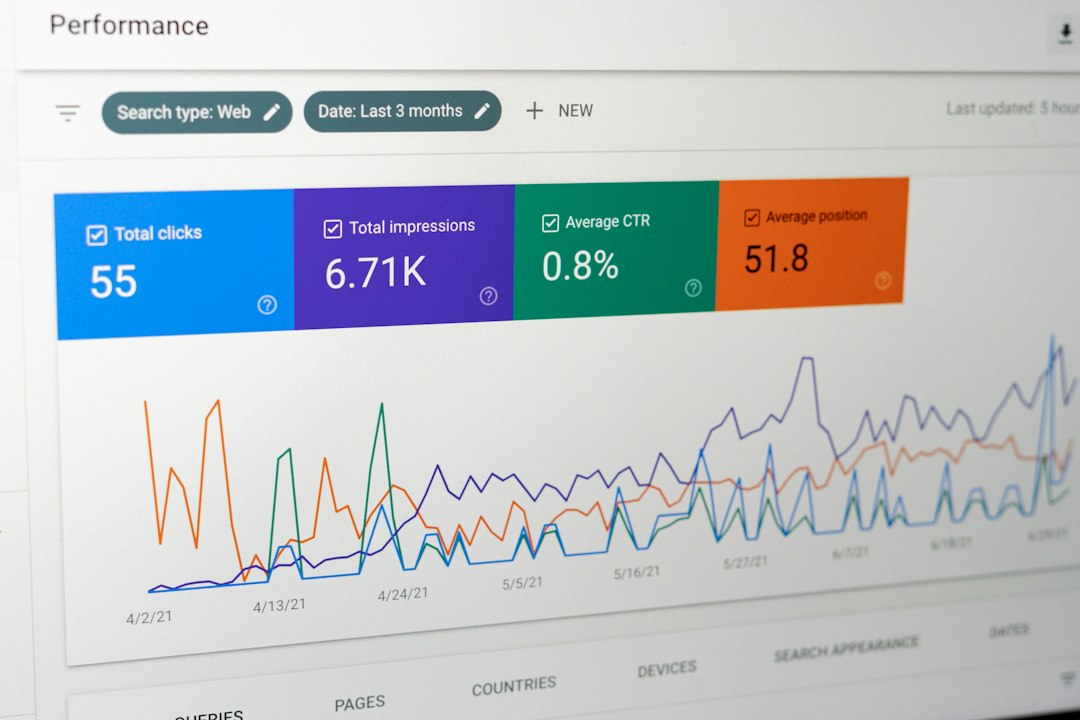
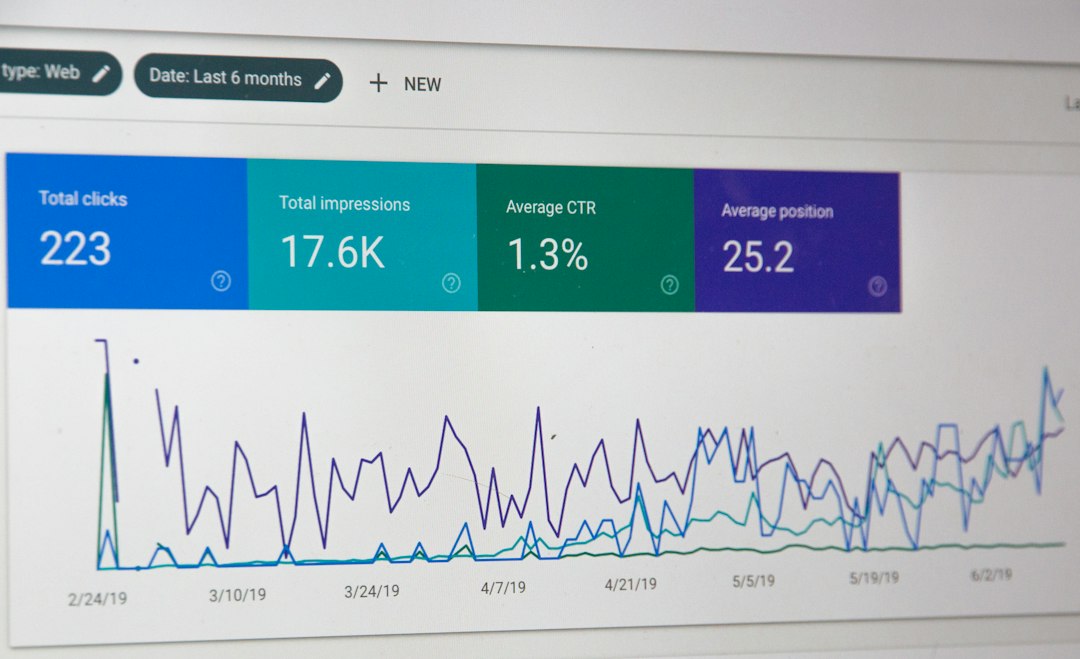
- Organic clicks: Are more searchers choosing your result?
- Impressions: Is the page gaining visibility for relevant queries?
- Click-through rate: Does the title and description match the user’s need?
- Ranking distribution: Are more keywords moving into positions 1 to 10?
- Engaged sessions: Are visitors actually reading or interacting?
- Assisted conversions: Does content support leads or sales over time?
- Content decay: Are older pages losing traffic and rankings?
A practical reporting view might split content into three groups: grow, update, and retire. Pages with rising impressions but low click-through rates may need better titles. Pages with falling rankings may need fresher examples, stronger internal links, or clearer answers. Pages with no traffic, no links, and no strategic purpose may need to be merged or removed.
Create a repeatable workflow
Strong content operations reduce guesswork. A reliable workflow helps writers, editors, SEO specialists, designers, and subject experts work from the same facts.
A serious SEO content workflow should include:
- Research: Confirm keyword demand, intent, search results, and competitors.
- Briefing: Define audience, angle, outline, internal links, and proof points.
- Expert review: Add real experience, data, and product or service context.
- Editing: Improve clarity, structure, accuracy, and search alignment.
- Publishing: Add schema where useful, compress images, and check indexing basics.
- Distribution: Share through email, sales enablement, social channels, and internal links.
- Measurement: Review early signals after 30 days and stronger trends after 90 days.
Refresh before you chase more volume
Many teams publish too much and update too little. That creates a bloated site with weak pages, outdated claims, and missed ranking gains. Before adding another batch of articles, check what already exists.
Content refreshes often produce faster gains than new posts because the page already has history. Update statistics. Add missing sections. Improve the introduction. Tighten headings. Replace vague advice with examples. Add internal links from newer pages. Remove sections that no longer serve the intent.
A good refresh plan can recover lost traffic without adding more strain to the editorial team. For instance, updating 20 declining articles may beat publishing 20 new ones if those old URLs already have backlinks and indexed keywords.
The practical takeaway
SEO and content strategy align when every page has a job. Search intent defines the job. Editorial planning schedules and shapes the work. Analytics proves whether the work grows the business.
Do not build content around guesses, executive preferences, or keyword volume alone. Build it around real user needs, clear formats, credible information, and measurable outcomes. That is how organic growth becomes steady instead of accidental.

