

Customer relationship management software has evolved from a digital address book into the central nervous system of modern revenue teams. The best CRM systems help businesses track leads, automate follow-ups, personalize marketing, resolve support issues, and understand what customers are likely to do next. Whether you run a startup, ecommerce brand, agency, or enterprise sales team, choosing the right CRM can directly affect growth, retention, and customer satisfaction.
TLDR: A CRM helps teams manage sales, marketing, and customer service in one place, reducing missed opportunities and improving customer experience. For example, a five-person sales team using automated lead reminders could cut follow-up delays by 30% and close more deals simply by responding faster. Popular CRM examples include Salesforce, HubSpot, Zoho CRM, Pipedrive, and Zendesk Sell, each serving different business sizes and use cases.
Contents
What Makes a CRM System Useful?
A good CRM does more than store names and phone numbers. It gives teams a shared, accurate view of every customer interaction, from the first website visit to the latest support ticket. Sales reps can see which leads are ready to buy, marketers can segment audiences, and service agents can resolve issues with context instead of asking customers to repeat themselves.
Most CRM platforms include features such as:
- Contact and lead management for organizing customer data
- Sales pipeline tracking to monitor opportunities and deals
- Email marketing and automation for nurturing prospects
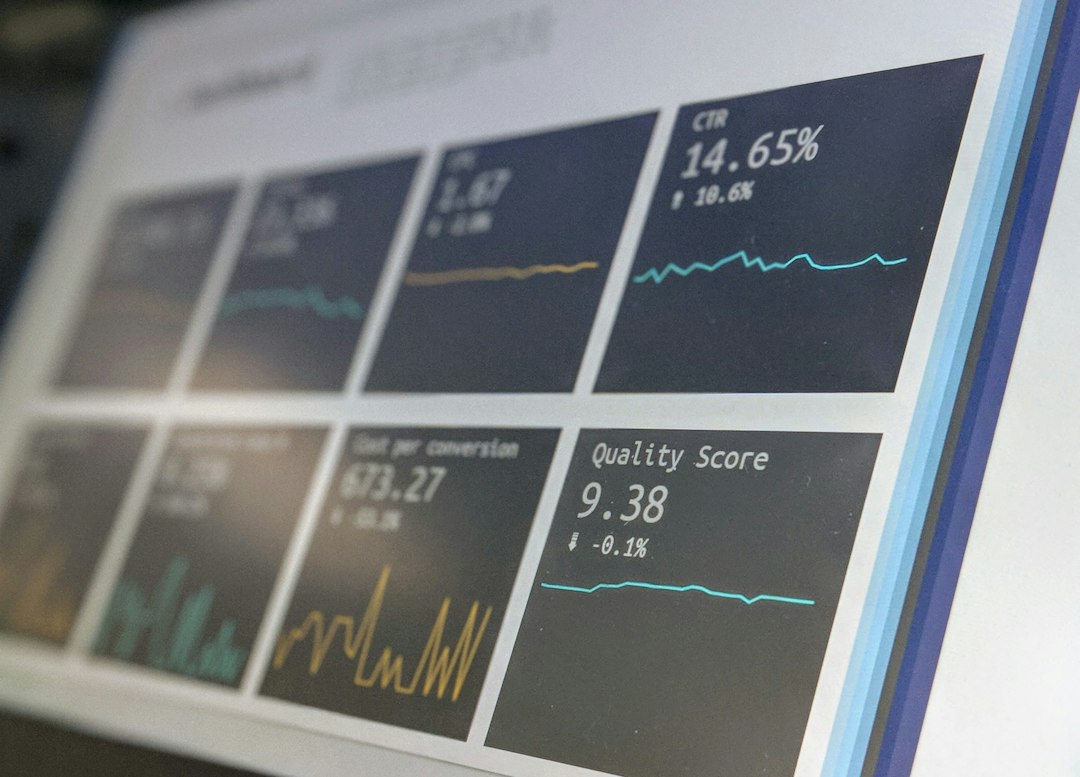
- Reporting dashboards to analyze performance
- Customer support tools such as ticketing, chat, or knowledge bases
- Integrations with ecommerce, accounting, messaging, and productivity apps

15 Popular CRM Systems for Sales, Marketing, and Customer Service
1. Salesforce
Salesforce is one of the most recognized CRM platforms in the world. It is highly customizable and often used by medium-sized businesses and enterprises with complex sales processes. Its ecosystem includes tools for sales, marketing automation, analytics, AI, ecommerce, and customer service. The tradeoff is that Salesforce can require significant setup, training, and budget.
2. HubSpot CRM
HubSpot CRM is especially popular with startups and growing companies because its free plan is generous and easy to use. It combines sales pipelines, email tracking, marketing automation, landing pages, live chat, and support tools. HubSpot is a strong choice for businesses that want an all-in-one platform without a steep learning curve.
3. Zoho CRM
Zoho CRM offers a broad feature set at competitive pricing. It supports lead scoring, workflow automation, multichannel communication, analytics, and AI-powered recommendations. Since Zoho also provides apps for finance, projects, email, and HR, it can be attractive to businesses looking for a connected software suite.
4. Pipedrive
Pipedrive is designed with sales teams in mind. Its visual pipeline makes it easy to see where each deal stands and what action should happen next. Small and mid-sized sales teams often like Pipedrive because it is straightforward, fast to implement, and focused on closing deals rather than overwhelming users with unnecessary complexity.
5. Microsoft Dynamics 365
Microsoft Dynamics 365 is a powerful CRM and enterprise resource planning platform. It works well for companies already using Microsoft tools such as Outlook, Teams, Excel, and Power BI. Dynamics 365 is commonly used by larger organizations that need advanced reporting, role-based access, automation, and integration with business operations.
6. Freshsales
Freshsales, part of the Freshworks suite, provides contact management, sales automation, built-in phone, email tracking, lead scoring, and AI insights. It is well suited for small and mid-market teams that want a modern interface and practical sales tools. Businesses using Freshdesk for support may also benefit from connecting customer service and sales data.
7. Zendesk Sell
Zendesk Sell is a sales CRM that pairs naturally with Zendesk’s customer support products. It helps teams manage leads, contacts, pipelines, and forecasting. For businesses where customer service plays a major role in repeat sales, Zendesk can create a clearer bridge between support conversations and revenue opportunities.
8. Monday Sales CRM
Monday Sales CRM is built on the flexible Monday.com work management platform. It is highly visual and customizable, making it useful for teams that want to manage sales pipelines alongside projects, tasks, onboarding, or client delivery. It is particularly appealing to teams that prefer drag-and-drop workflows and colorful dashboards.

9. Insightly
Insightly combines CRM features with project management. This makes it useful for agencies, consultants, and service businesses that sell a project and then need to deliver it. Teams can track leads, manage customer relationships, and monitor post-sale work without switching systems constantly.
10. Keap
Keap is aimed at small businesses that need CRM, email marketing, appointment scheduling, invoicing, and automation in one place. It is especially useful for service providers, coaches, and local businesses that rely on repeat communication and simple sales funnels. Its automation features help reduce manual follow-up work.
11. ActiveCampaign
ActiveCampaign is often seen as a marketing automation platform with CRM capabilities. It is strong in email marketing, customer journeys, segmentation, and behavior-based automation. Businesses that rely heavily on nurturing leads through targeted messages may find ActiveCampaign more valuable than a traditional sales-first CRM.
12. Copper
Copper is built for organizations that use Google Workspace. It integrates closely with Gmail, Google Calendar, and Google Drive, reducing the need for manual data entry. Copper is a good fit for teams that want CRM activity to happen naturally inside the tools they already use every day.
13. Nimble
Nimble focuses on relationship management and social insight. It gathers information from email, social profiles, and contact records to help users build richer customer profiles. Consultants, freelancers, and relationship-driven sales teams may appreciate Nimble’s ability to make networking and follow-up feel more personal.
14. SugarCRM
SugarCRM is a flexible platform for sales, marketing, and service teams. It offers automation, forecasting, campaign management, and customer support features. Companies that want more control over customization and deployment may consider SugarCRM, particularly if they have technical resources available.
15. Less Annoying CRM
Less Annoying CRM lives up to its name by focusing on simplicity. It is designed for small businesses that need contact management, calendars, tasks, and basic pipeline tracking without a complicated interface. It is not the most advanced CRM, but for teams that value clarity over feature overload, it can be a smart choice.
How to Choose the Right CRM
The best CRM is not always the biggest or most expensive one. It is the one your team will actually use. Before comparing platforms, define your main goal: Do you need more sales visibility, better marketing automation, faster customer support, or all three?
Consider these practical selection factors:
- Team size: A solo consultant needs a different system than a 200-person sales department.
- Ease of use: If the CRM is difficult, adoption will suffer.
- Automation needs: Look for workflows that remove repetitive tasks.
- Integration options: Check whether it connects with your email, website, ecommerce store, accounting tools, and help desk.
- Reporting: Choose dashboards that answer real business questions, not just display attractive charts.
- Scalability: Make sure the platform can grow with your customer base and processes.
CRM Examples by Business Need
If your business is sales-focused, systems like Salesforce, Pipedrive, Freshsales, and Zendesk Sell are strong options. They help reps prioritize leads, manage opportunities, and forecast revenue.
If your priority is marketing automation, HubSpot, ActiveCampaign, Zoho CRM, and Keap offer tools for email campaigns, landing pages, segmentation, and lead nurturing.
If you need stronger customer service, consider platforms connected to support workflows, such as Zendesk, Freshworks, Salesforce Service Cloud, or HubSpot Service Hub. These tools help teams track tickets, measure response times, and build better post-purchase experiences.
Final Thoughts
CRM software is no longer optional for companies that want consistent growth and organized customer relationships. The right system can help a business turn scattered conversations into measurable opportunities. From enterprise platforms like Salesforce and Microsoft Dynamics 365 to small-business-friendly tools like Less Annoying CRM and Keap, there is a CRM for nearly every team, budget, and workflow. Start with your customer journey, identify the gaps, and choose a CRM that helps your team act faster, communicate better, and build relationships that last.

