

Picking an EMR can feel like choosing a spaceship dashboard. So many buttons. So many promises. And yes, someone will still ask where the “print” button is. This review keeps things simple. We will look at 4D EMR, what it may offer, who it fits, and which alternatives are worth a peek.
TLDR: 4D EMR is an electronic medical record system built to help clinics manage charts, appointments, notes, and patient data in one place. It can be useful for small to mid-sized practices that want less paper and faster workflows. For example, if a clinic sees 60 patients per day and saves just 4 minutes per visit, that is 4 hours saved daily. Still, compare it with tools like athenahealth, DrChrono, eClinicalWorks, Tebra, Practice Fusion, and OpenEMR before buying.
Contents
What Is 4D EMR?
4D EMR is an electronic medical record platform. It is designed to help healthcare teams store and manage patient records digitally. Instead of flipping through paper charts, staff can search, update, and share information from a computer or tablet.
The “4D” name may sound futuristic. Like a medical chart from another dimension. But the goal is very normal. It helps clinics work faster. It helps doctors write notes. It helps staff track visits, forms, and patient details.
Exact features may vary by vendor, version, and clinic setup. So always ask for a live demo. Also ask for a written feature list. Do not rely on a shiny brochure alone. Brochures are great at smiling.

Main Features of 4D EMR
Most EMR systems share a few core tools. 4D EMR is usually reviewed in that same group. Here are the features to look for.
- Patient charts: Store diagnoses, allergies, medications, lab notes, visit history, and documents.
- Clinical notes: Create visit notes using templates, forms, or free text.
- Scheduling: Book appointments and manage provider calendars.
- Patient demographics: Keep contact details, insurance data, and emergency contacts in one place.
- Document management: Upload scans, referrals, consent forms, and lab reports.
- Billing support: Some setups may include coding, claims, or billing integrations.
- Reporting: Track visits, patient counts, revenue, or clinical metrics.
- Security controls: Use logins, permissions, audit trails, and backups.
A good EMR should feel like a helpful assistant. Not like a maze with a password. The best systems make routine tasks simple. Click. Type. Save. Done.
What Makes 4D EMR Useful?
The biggest benefit is organization. Paper charts can hide. Digital records are easier to search. That matters when a patient is waiting and the doctor needs answers now.
Another benefit is speed. Templates can reduce typing. Common diagnoses can be saved. Repeat visits can be documented faster. This does not mean doctors stop thinking. It means they stop rewriting the same sentence 14 times.
4D EMR may also help with team communication. A front desk worker, nurse, and provider can all view the same patient record. No more “Who has the chart?” mystery game.
It can also support cleaner records. Typed notes are easier to read. That is good news for everyone. Especially for anyone who has tried to decode doctor handwriting that looks like spaghetti in a thunderstorm.
Best Fit: Who Should Consider It?
4D EMR may be a good fit for:
- Small clinics that want to go paperless.
- Mid-sized practices that need shared access to charts.
- Specialty offices that need repeatable templates.
- Teams with simple workflows that do not want a huge enterprise system.
- Clinics upgrading from spreadsheets or manual filing.
It may not be the best fit if you need a very large hospital system. It may also not fit if you need deep integrations with many labs, pharmacies, imaging centers, and hospitals. In that case, larger platforms may be better.
Benefits at a Glance
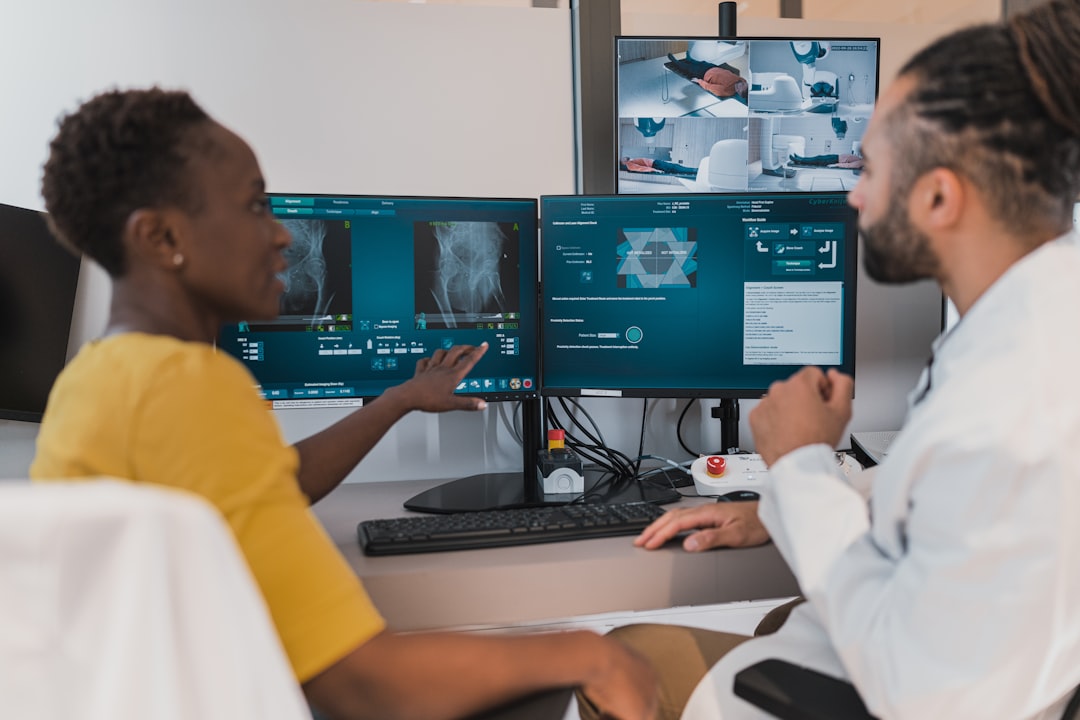
- Less paper: Fewer folders. Fewer cabinets. Fewer lost notes.
- Faster search: Find patient data in seconds.
- Better workflow: Move from check-in to charting to billing with fewer steps.
- More readable notes: Typed notes beat mystery scribbles.
- Improved access: Authorized staff can view records when needed.
- Data reports: Spot trends in visits, revenue, and care activity.
For a clinic with three providers, even small time savings can matter. Saving 10 minutes per provider per day gives back 30 minutes daily. Over a five-day week, that is 2.5 hours. That could mean more patient calls returned. Or one calmer lunch. Both are beautiful.
Possible Drawbacks
No EMR is perfect. If someone says theirs is perfect, check if they also sell unicorn saddles.
Here are some possible concerns to check:
- Learning curve: Staff may need training.
- Setup time: Templates and user roles take planning.
- Data migration: Moving old records can be messy.
- Integration limits: Billing, labs, or portals may not connect easily.
- Pricing clarity: Ask about setup fees, support fees, and upgrade costs.
- Support quality: Fast support matters when the waiting room is full.
Before choosing 4D EMR, ask for a trial or sandbox account. Let real users test it. Include doctors, nurses, billing staff, and front desk staff. Everyone touches the workflow. Everyone should get a vote.
Questions to Ask Before Buying
Keep the questions simple. Simple questions reveal a lot.
- Is it cloud-based, local, or both?
- How long does setup take?
- Can we import old patient records?
- Does it include billing tools?
- Does it connect with labs and pharmacies?
- Is there a patient portal?
- What kind of support is included?
- How are backups handled?
- Does it meet privacy and compliance needs in our region?
- What is the total monthly and yearly cost?
Top 4D EMR Alternatives
It is smart to compare options. EMRs are like shoes. The best one is the one that fits your foot, your budget, and your walking style.
1. athenahealth
athenahealth is a popular cloud-based EMR and practice management system. It is known for strong billing support and a large network. It may fit practices that want help with claims and revenue cycle tasks.
2. DrChrono
DrChrono is known for its iPad-friendly experience. It is often used by small practices and mobile providers. It offers charting, scheduling, billing, and patient engagement tools.
3. eClinicalWorks
eClinicalWorks is a widely used EMR for many types of practices. It offers telehealth, patient portal tools, population health features, and revenue cycle services.
4. Tebra
Tebra, which includes Kareo-style practice tools, can be useful for independent practices. It focuses on scheduling, billing, patient communication, and online reputation support.
5. Practice Fusion
Practice Fusion is a cloud-based EMR often considered by smaller practices. It is simple to access and includes charting, e-prescribing, labs, and scheduling features.
6. OpenEMR
OpenEMR is an open-source option. It can be budget-friendly, but it may require technical help. It is best for teams that have IT support or enjoy tinkering under the hood.

How to Choose the Right EMR
Start with your workflow. Do not start with the software. Write down how your clinic works today. Then list what hurts. Slow notes? Billing errors? Lost forms? Too many phone calls?
Next, rank your needs. Use three buckets:
- Must have: You cannot work without it.
- Nice to have: Helpful, but not urgent.
- Not needed: Fancy, but unused.
Then compare 4D EMR with at least three alternatives. Watch demos. Ask about pricing. Read contract terms. Test support response time. A great demo means little if support answers three days later with “Have you tried restarting?”
Final Verdict
4D EMR may be a solid choice for clinics that want digital charts, better organization, and smoother daily workflows. Its value depends on the exact features offered, the quality of support, and how well it fits your team.
If your clinic needs a simple EMR, 4D EMR is worth reviewing. If you need advanced billing, broad integrations, or enterprise-level tools, compare it carefully with larger platforms. The best EMR is not always the biggest one. It is the one your staff will actually use without sighing every five minutes.
Bottom line: Take the demo. Ask hard questions. Let your team test it. Then choose the system that saves time, protects data, and makes patient care a little less chaotic.

