
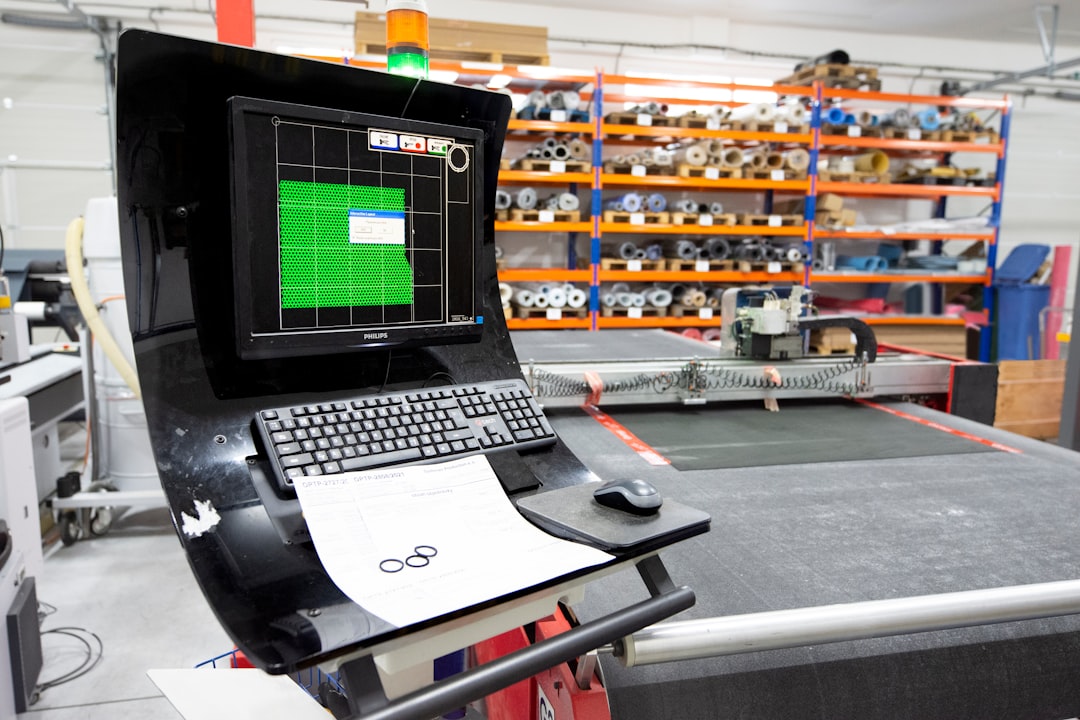
Consignment retailers need more than a basic cash register. They must track split payouts, seller agreements, aging inventory, markdown schedules, and reports that explain which consignors and categories are actually profitable. Ricochet Consignment Software is a cloud-based POS system built for that niche, with tools for resale shops, thrift boutiques, furniture consignment stores, and specialty secondhand retailers.
TLDR: Ricochet is a strong fit for small to mid-sized consignment stores that want an all-in-one POS with consignor management, inventory tracking, barcode labels, and online store options. For example, a boutique processing 1,200 items per month could use automated split calculations to reduce manual payout work by several hours each week. Its main drawbacks are that pricing can be higher than entry-level POS tools and some businesses may prefer alternatives with broader ecommerce, loyalty, or multi-location retail features. Stores comparing options should also review SimpleConsign, ConsignCloud, Shopify POS, Square for Retail, and Lightspeed Retail.
Contents
What Is Ricochet Consignment Software?
Ricochet is a point-of-sale and inventory management platform designed specifically for consignment and resale businesses. Unlike general retail POS systems, it includes features that help stores manage consignors, calculate commissions, process payouts, and track item-level inventory from intake to sale.
The software is cloud-based, which means staff can access the system from compatible devices with an internet connection. This is useful for owners who want to review sales, inventory, and consignor activity without being physically present in the shop.
Image not found in postmetaKey Features of Ricochet
1. Consignor Management
Ricochet’s biggest strength is its consignor-focused workflow. Stores can create consignor profiles, attach inventory to each account, define commission rates, and track balances. This helps reduce the spreadsheet work that often slows down resale operations.
- Consignor accounts: Store contact details, item history, balances, and payout information.
- Commission tracking: Apply agreed-upon split rates and calculate payouts automatically.
- Consignor portal: Depending on the plan and setup, sellers may be able to view their inventory and account activity online.
2. Inventory Intake and Item Tracking
Ricochet allows staff to enter individual items, assign categories, add descriptions, set prices, and connect each product to a consignor. This is especially valuable for stores that sell one-of-a-kind goods, such as apparel, furniture, antiques, collectibles, and sporting equipment.
Barcode label printing also supports faster checkout and fewer pricing mistakes. For a store receiving dozens or hundreds of items per day, this can make intake more consistent and organized.
3. POS Checkout
The POS interface supports standard retail checkout functions such as scanning items, applying discounts, processing payments, and completing returns. Since the POS is connected to consignment records, sold items automatically update inventory and consignor balances.
This is the main advantage over generic POS systems: the sale does not merely remove the item from inventory; it also feeds into the store’s commission and payout workflow.
4. Reporting and Analytics
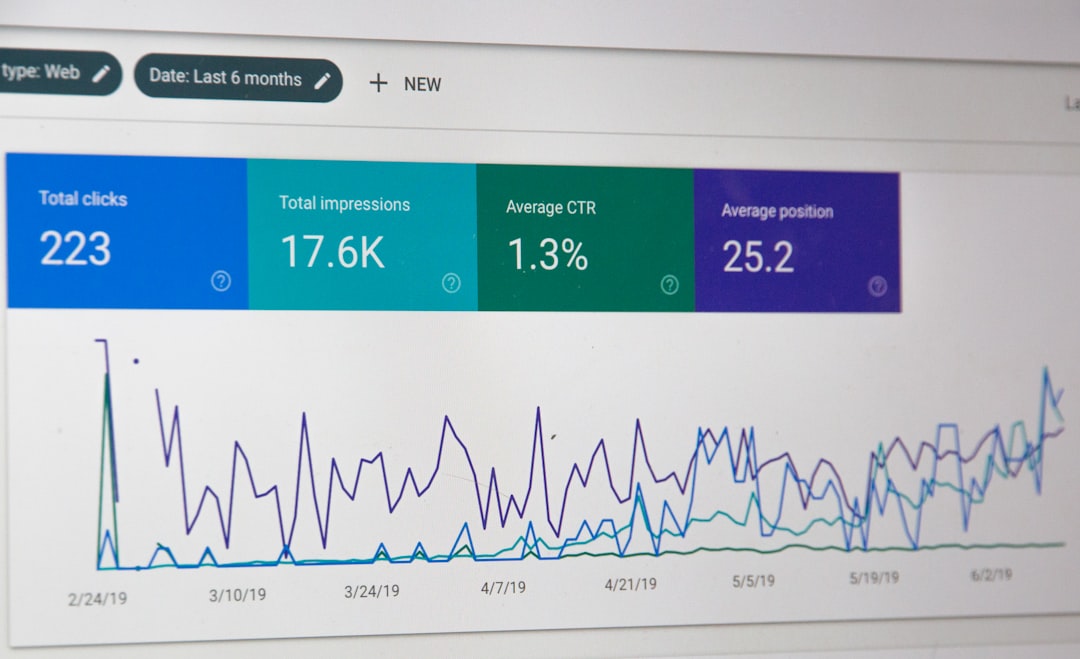
Ricochet includes reporting tools for sales, inventory, consignor performance, and store activity. These reports help owners identify fast-moving categories, aging inventory, best consignors, and revenue trends.
For example, a store may discover that designer handbags sell within 14 days on average, while home décor items sit for 60 days. That insight can guide future intake decisions, markdown policies, and floor space planning.
5. Online Selling Options
Ricochet offers tools or integrations that can support online selling, though its ecommerce capabilities may not feel as extensive as platforms built primarily for online retail. For consignment stores that want to list selected inventory online, this can still be useful, especially when paired with disciplined item photography and inventory management.
6. Multi-Location Support
Growing resale businesses may benefit from multi-location features, including centralized inventory visibility and location-level reporting. This can help operators compare performance across stores and manage inventory more strategically.
Ricochet Pricing
Ricochet pricing may vary based on the plan, number of locations, users, hardware needs, ecommerce requirements, and payment processing setup. Publicly available pricing has often placed Ricochet in the mid-range POS category, not the cheapest option but also not an enterprise-only platform.
Stores should expect monthly software fees and should also budget for potential costs such as:
- POS hardware, including receipt printers, barcode scanners, and cash drawers
- Label printers for inventory tagging
- Payment processing fees
- Additional locations or advanced features
- Onboarding, training, or data migration assistance, if needed
Because POS pricing changes frequently, the most reliable approach is to request a direct quote from Ricochet and compare it against the total monthly cost of alternatives. A cheaper POS may become more expensive if it requires extra apps, manual payout tracking, or custom workarounds for consignment operations.
Pros and Cons
Pros
- Built specifically for consignment: It handles workflows that general POS systems often miss.
- Automated commission tracking: Staff can reduce manual calculations and payout errors.
- Cloud access: Owners can manage reporting and inventory remotely.
- Barcode and inventory tools: Useful for stores with high item turnover.
- Good fit for resale niches: Apparel, furniture, antiques, and specialty consignment stores can benefit.
Cons
- May cost more than basic POS tools: Very small shops may find cheaper systems attractive.
- Ecommerce may be less flexible than dedicated online platforms: Online-first sellers may prefer Shopify.
- Learning curve: Staff must understand intake, tagging, consignor rules, and payout workflows.
- Hardware and setup costs: Full POS implementation may require additional investment.
Best Ricochet POS Alternatives
1. SimpleConsign
Best for: Consignment stores that want a mature, industry-specific alternative.
SimpleConsign is one of Ricochet’s closest competitors. It includes consignor management, inventory tracking, POS tools, reporting, and resale-specific workflows. Stores comparing Ricochet should place SimpleConsign high on the shortlist because both platforms are designed for consignment rather than general retail.
2. ConsignCloud
Best for: Smaller consignment shops seeking an accessible cloud-based system.
ConsignCloud focuses on consignment inventory, consignor accounts, and store operations. It may appeal to shops that want a straightforward resale platform without adopting a broader retail system. It is worth reviewing for boutiques that prioritize ease of use and consignor transparency.
3. Shopify POS
Best for: Stores that want strong ecommerce and omnichannel retail features.
Shopify POS is not consignment-specific out of the box, but it is a powerful option for retailers that sell heavily online. A consignment store may need apps or custom workflows to manage consignor payouts, but Shopify’s ecommerce ecosystem, marketing tools, and online checkout experience are major advantages.

4. Square for Retail
Best for: Budget-conscious retailers that need a simple POS.
Square for Retail offers an easy-to-use POS, inventory tools, payment processing, and basic retail reporting. It is not ideal for complex consignment accounting, but a small resale shop with simple buying and selling operations may find it affordable and quick to deploy.
5. Lightspeed Retail
Best for: Growing retailers that need deeper inventory and multi-store management.
Lightspeed Retail offers advanced inventory, purchase orders, analytics, customer management, and multi-location tools. It is stronger as a general retail POS than as a consignment-specific platform, so consignment stores may need workarounds for seller payouts. However, larger retailers may appreciate its robust reporting and scalability.
Who Should Use Ricochet?
Ricochet is best suited for consignment and resale stores that want dedicated tools for seller accounts, item intake, barcode labels, commissions, and payouts. It is especially useful when the business handles many unique items and needs accurate tracking from drop-off to sale.
It may be less suitable for micro-businesses that only sell a few items per week, online-first brands that need advanced ecommerce customization, or retailers that do not operate on a consignment model.
Final Verdict
Ricochet is a capable consignment POS system with practical tools for inventory intake, consignor management, checkout, reporting, and payout tracking. Its niche focus is the main reason it stands out: general POS systems can sell products, but they often require extra work to manage the relationship between the store, the item, and the consignor.
For established resale shops, Ricochet can be a strong investment if it reduces manual administration and improves inventory visibility. However, stores should compare pricing, hardware requirements, ecommerce needs, and staff training time before committing. The best choice depends on whether the business values consignment-specific automation more than the lower cost or broader ecommerce flexibility of alternatives.
FAQ
Is Ricochet only for consignment stores?
Ricochet is primarily designed for consignment and resale businesses, though some secondhand and specialty retailers may also find it useful.
Does Ricochet support barcode labels?
Yes, Ricochet supports barcode-based inventory workflows, which can help stores tag items and speed up checkout.
Is Ricochet better than Shopify POS?
Ricochet is usually better for consignment-specific workflows, while Shopify POS is stronger for ecommerce and omnichannel selling. The better choice depends on the store’s business model.
What is the best Ricochet alternative?
SimpleConsign and ConsignCloud are the closest consignment-focused alternatives. Shopify POS, Square for Retail, and Lightspeed Retail are better for stores that need broader retail or ecommerce features.
How much does Ricochet cost?
Pricing can vary by plan, location count, hardware, and added services. Retailers should request a current quote and compare the full monthly cost, including payment processing and equipment.

