
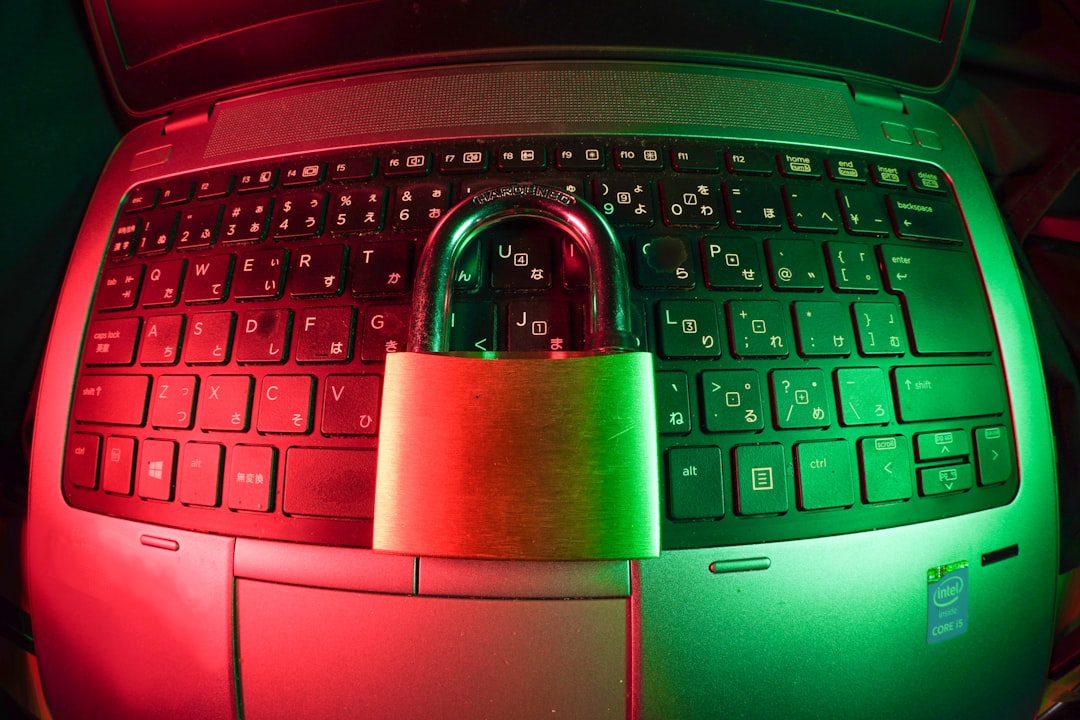
Viruses and malicious code are no longer just annoyances that slow down a computer. Today, they can steal identities, encrypt business data, spy through webcams, drain bank accounts, and quietly turn devices into part of criminal networks. The good news is that most attacks can be prevented with consistent habits, smart tools, and a security-first mindset.
TLDR: Preventing viruses and malicious code starts with keeping software updated, using strong authentication, avoiding suspicious links, and backing up important data. Security tools help, but human judgment is just as important. By following a layered approach, you make it much harder for malware to enter, spread, or cause serious damage.
Contents
- 1 15 Cybersecurity Best Practices to Prevent Viruses and Malicious Code
- 1.1 1. Keep Your Operating System and Apps Updated
- 1.2 2. Use Reputable Antivirus and Anti Malware Software
- 1.3 3. Be Careful With Email Attachments
- 1.4 4. Think Before You Click Links
- 1.5 5. Use Strong, Unique Passwords
- 1.6 6. Enable Multi Factor Authentication
- 1.7 7. Download Software Only From Trusted Sources
- 1.8 8. Back Up Your Data Regularly
- 1.9 9. Limit Administrator Privileges
- 1.10 10. Secure Your Wi Fi Network
- 1.11 11. Watch for Social Engineering
- 1.12 12. Disable Unnecessary Features
- 1.13 13. Use a Firewall
- 1.14 14. Educate Everyone Who Uses the Device or Network
- 1.15 15. Monitor Devices for Warning Signs
- 2 Common Signs of a Malware Infection
- 3 Build Security Into Everyday Habits
15 Cybersecurity Best Practices to Prevent Viruses and Malicious Code
Cybersecurity works best when it is treated like home security: you do not rely on one lock, one alarm, or one habit. Instead, you build layers of protection. The following best practices can help individuals, families, and organizations reduce the risk of infection and limit the impact if something slips through.
1. Keep Your Operating System and Apps Updated
Software updates often include security patches that fix vulnerabilities attackers already know how to exploit. Delaying updates gives malicious code more time to take advantage of weaknesses in your system. Enable automatic updates for your operating system, browsers, productivity apps, and mobile devices whenever possible.
2. Use Reputable Antivirus and Anti Malware Software
A reliable security suite can detect, quarantine, and remove many known threats before they spread. Choose a trusted program with real-time protection, web protection, and regular signature updates. Remember, antivirus software is not magic, but it is an important safety net.
3. Be Careful With Email Attachments
Email remains one of the most common ways malware enters a system. Be cautious with unexpected invoices, shipping notices, job offers, legal documents, or files claiming urgency. If an attachment asks you to enable macros or run a script, treat it as a major warning sign.
4. Think Before You Click Links
Malicious links can lead to fake login pages, drive-by downloads, or infected websites. Hover over links to preview the destination, and avoid clicking shortened or strange-looking URLs from unknown senders. When in doubt, visit the website directly by typing the address into your browser.
5. Use Strong, Unique Passwords
Reusing passwords is dangerous because one leaked password can unlock multiple accounts. Use long, unique passwords for every important service. A password manager can create and store complex passwords so you do not have to memorize them all.
- Bad password: summer2024
- Better password: a long, random phrase generated by a password manager
- Best practice: never reuse your email or banking password anywhere else
6. Enable Multi Factor Authentication
Multi factor authentication, often called MFA, adds another step before someone can access your account. Even if a password is stolen, the attacker still needs a code, security key, or approval prompt. Use MFA for email, banking, cloud storage, work accounts, and social media.
7. Download Software Only From Trusted Sources
Free downloads, cracked software, unofficial app stores, and “too good to be true” tools often carry hidden malware. Download apps from official websites, verified marketplaces, or trusted vendors. Avoid pirated software entirely; it is one of the easiest ways to invite malicious code onto your device.
8. Back Up Your Data Regularly
Backups are your best defense against ransomware and accidental data loss. Follow the 3 2 1 rule: keep three copies of important data, store them on two different types of media, and keep one copy offline or offsite. Test your backups occasionally to make sure they can actually be restored.
9. Limit Administrator Privileges
Many malware infections become worse because users operate with administrator rights all the time. Use a standard account for daily activity and an admin account only when needed. This simple step can prevent malicious code from making deep system changes without permission.
10. Secure Your Wi Fi Network
Your wireless network is a gateway to your devices. Use strong encryption such as WPA2 or WPA3, change the default router password, and update router firmware. Create a guest network for visitors and smart home devices so they cannot easily access your main computers or files.
11. Watch for Social Engineering
Not every attack begins with code. Many begin with persuasion. Cybercriminals may pretend to be coworkers, banks, delivery companies, tech support agents, or government offices. They often create pressure by saying something is urgent, overdue, suspicious, or about to be closed.
Pause before responding to any request for passwords, payments, remote access, or sensitive files. A quick verification call or message through an official channel can prevent a serious breach.
12. Disable Unnecessary Features
If you do not use a feature, consider turning it off. Disable automatic macro execution in office documents, remote desktop access, Bluetooth, file sharing, or browser extensions that are not needed. Fewer active features mean fewer opportunities for attackers to exploit.
13. Use a Firewall
A firewall monitors incoming and outgoing network traffic and can block suspicious connections. Most operating systems include one, but it must be enabled and properly configured. For businesses, network firewalls add another layer of protection between internal systems and the public internet.
14. Educate Everyone Who Uses the Device or Network
Security is only as strong as the least informed user. Children, employees, freelancers, and family members should know the basics: do not install unknown apps, do not share passwords, avoid suspicious links, and report strange device behavior. Training does not need to be complicated; short reminders and real examples are often very effective.

15. Monitor Devices for Warning Signs
Malware is sometimes obvious, but often it tries to stay hidden. Watch for unusual pop-ups, sudden slowdowns, unknown programs, browser redirects, disabled security tools, missing files, or unexpected account alerts. If something feels wrong, disconnect from the internet and run a full security scan.
Common Signs of a Malware Infection
- Your device becomes unusually slow or crashes often.
- New apps, browser extensions, or icons appear without your permission.
- Your homepage or search engine changes unexpectedly.
- Friends receive strange messages from your email or social accounts.
- You see ransom notes, fake virus warnings, or repeated login alerts.
If you suspect an infection, do not ignore it. Disconnect the device from the network, scan it with trusted security software, change passwords from a clean device, and restore files from backup if necessary. In a business environment, report the issue to IT immediately.
Build Security Into Everyday Habits
The most effective cybersecurity strategy is not based on fear; it is based on awareness and routine. Updating software, checking links, using MFA, and backing up files may seem small, but together they create a powerful defense. Cybercriminals usually look for easy targets, and every good habit makes you less convenient to attack.
Viruses and malicious code will continue to evolve, but so can your defenses. By combining reliable tools with careful behavior, you can protect your devices, your data, and your peace of mind. Cybersecurity is not a one-time setup; it is an ongoing practice.

