
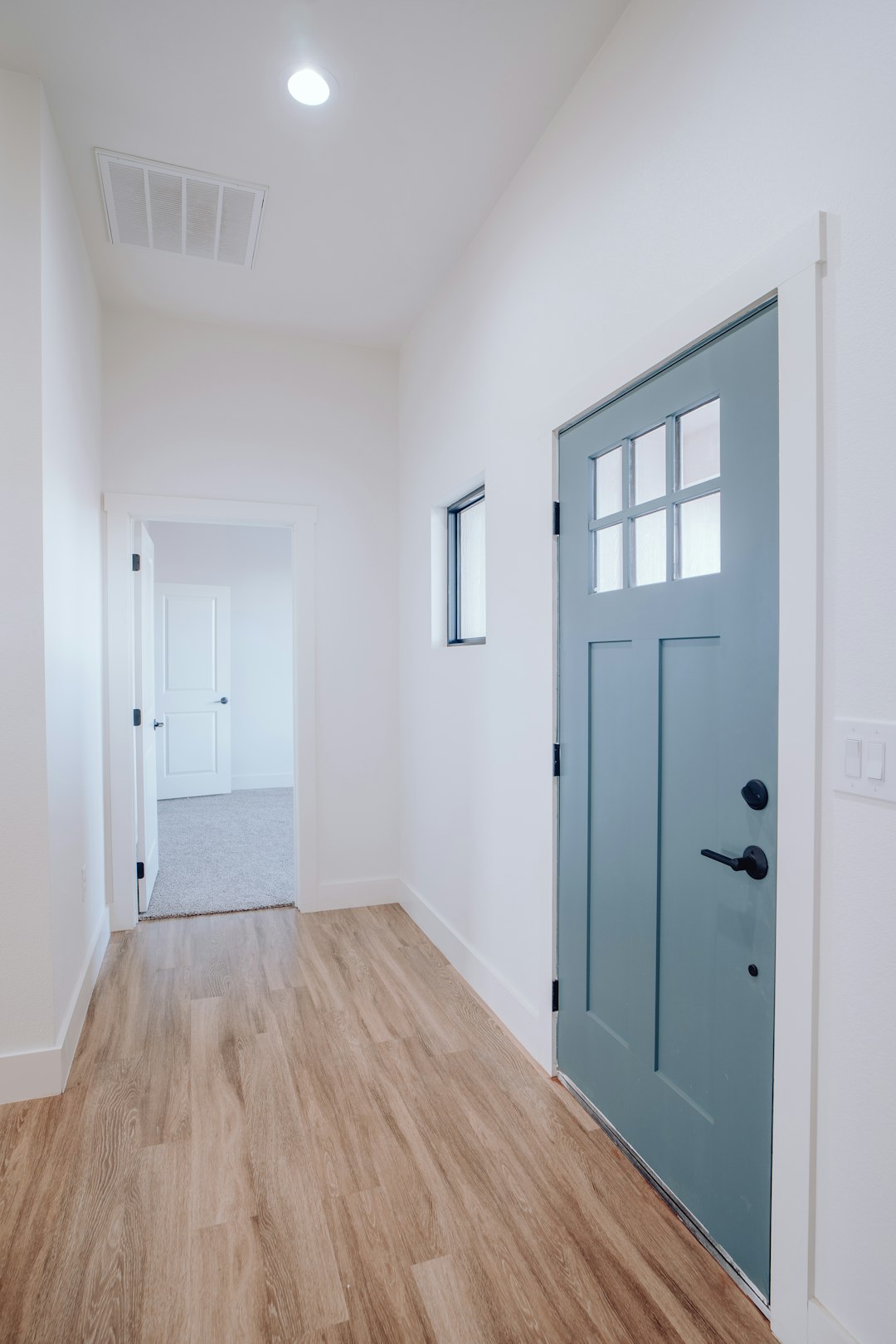
Across many communities, a disturbing social media trend has drawn attention from police, schools, parents, and neighborhood groups. Often called the “door kick challenge”, it involves individuals running up to homes, kicking or striking front doors, and then fleeing while recording the act for online attention. Although it may be framed by participants as a prank, authorities and residents have treated it as a serious safety issue with real legal, emotional, and physical consequences.
TLDR: The door kick challenge is a dangerous trend in which people kick or pound on residential doors, often filming the incident for social media. It can cause property damage, panic, injuries, and potentially violent confrontations. Communities have responded through police warnings, school outreach, neighborhood alerts, and stronger surveillance efforts. What may appear to be a prank can lead to criminal charges and long-term harm.
Contents
- 1 What Is the Door Kick Challenge?
- 2 Why the Trend Became a Safety Concern
- 3 Legal Risks for Participants
- 4 Property Damage and Financial Costs
- 5 Emotional Impact on Residents
- 6 How Schools and Parents Responded
- 7 Neighborhood and Law Enforcement Responses
- 8 Safety Steps for Homeowners
- 9 The Role of Social Media Platforms
- 10 Conclusion
- 11 FAQ
What Is the Door Kick Challenge?
The door kick challenge is a social media-driven activity in which participants approach private homes, kick or hit the door forcefully, and run away. In many reported cases, the action is filmed by another person and later shared online. The appeal for participants often comes from shock value, peer pressure, and the desire to gain views, likes, or laughs.
However, the behavior is not simply harmless mischief. A loud impact at a front door can make residents believe they are experiencing a burglary, home invasion, or targeted harassment. For families with children, older adults, people living alone, or individuals with past trauma, the incident can be deeply frightening.

Why the Trend Became a Safety Concern
The main concern is that the challenge creates an unpredictable and potentially dangerous situation. Residents do not know whether the person at the door intends to run away or break in. In some areas, homeowners may respond with self-defense measures, call emergency services, or confront the participants outside.
Law enforcement agencies have warned that the trend can escalate quickly. A few seconds of reckless behavior may place both residents and participants in danger. A startled homeowner may fall while rushing to the door, a child may panic, or a participant may be injured while fleeing. In communities where tensions are already high, the risk of confrontation becomes even greater.
The challenge also strains emergency resources. When multiple residents report loud banging, attempted break-ins, or suspicious individuals, police may need to respond as if a serious crime is occurring. This can divert attention from other emergencies.
Legal Risks for Participants
Participants often underestimate the legal consequences. Depending on local laws and the facts of the incident, the behavior may be investigated as several possible offenses, including:
- Criminal mischief or vandalism if a door, frame, lock, camera, or other property is damaged.
- Trespassing if participants enter private property without permission.
- Disorderly conduct if the act causes public alarm or disturbance.
- Harassment if a home is targeted repeatedly or a resident is intimidated.
- Attempted burglary concerns if the action appears to be an effort to force entry.
For minors, consequences may involve juvenile court, school discipline, probation, restitution, or community service. Parents or guardians may also face financial responsibility for property damage. For adults, the outcome can include arrest, criminal records, fines, and civil lawsuits.
Property Damage and Financial Costs
A strong kick to a door can damage more than the visible surface. Door frames, hinges, smart locks, weather stripping, glass panels, and security systems can all be affected. Even if the door does not break open, repairs may be expensive.
Homeowners may need to replace locks, reinforce frames, repaint surfaces, or install new cameras after an incident. In rental housing, tenants may experience conflict with landlords or property managers over repair costs and safety concerns. Insurance claims can also be complicated, especially if the damage is minor but still costly.
Emotional Impact on Residents
The emotional impact is sometimes overlooked. A sudden violent sound at the front door can create intense fear. Residents may feel unsafe in their own homes afterward, especially if the incident occurs at night or if the people responsible are not identified.
For older adults, people with disabilities, or families with young children, the experience may lead to sleeplessness, anxiety, or a heightened sense of vulnerability. In neighborhoods where the challenge happens more than once, residents may begin changing routines, avoiding evening activities, or installing additional security measures.
What participants may see as a brief joke can feel to residents like a threat at the boundary of their home.
How Schools and Parents Responded
Because many reported participants have been teenagers, schools and parents have played an important role in prevention. Some school districts have issued warnings explaining that viral challenges can result in criminal charges and school discipline. Administrators have encouraged students to report planned incidents and avoid participating, filming, or sharing videos.
Parents have also been urged to speak with children about online trends, peer pressure, and the difference between a prank and a crime. These conversations often focus on accountability: recording the act, encouraging it, or sharing the video can still contribute to harm, even if a person is not the one kicking the door.
Neighborhood and Law Enforcement Responses
Communities have responded in several practical ways. Neighborhood groups have shared alerts, home security footage, and descriptions of suspicious activity. Police departments have used social media to warn against the challenge and ask residents to report incidents promptly.
Common community responses have included:
- Increased reporting: Residents have been encouraged to call non-emergency police lines when no immediate danger is present, or emergency services when a break-in appears possible.
- Security camera sharing: Doorbell camera footage has helped identify vehicles, clothing, and patterns of behavior.
- Neighborhood watch coordination: Local groups have reminded residents to observe and report rather than confront suspects.
- Public education: Police and schools have explained the legal risks to young people and families.
Authorities generally advise residents not to chase or physically confront participants. Instead, they recommend documenting the time, preserving camera footage, checking for damage, and making a report.
Safety Steps for Homeowners
Residents concerned about the door kick challenge have taken steps to improve safety without escalating situations. These measures may include installing motion lights, using doorbell cameras, strengthening door frames, and keeping entryways well lit. Some homeowners have added longer screws to strike plates or upgraded locks, though professional advice may be useful for proper installation.
Communities have also emphasized calm responses. If a loud impact occurs, residents are encouraged to move to a safe location, determine whether there is an immediate threat, and contact authorities as needed. Preserving evidence is important, but personal safety should come first.
The Role of Social Media Platforms
Social media plays a central role in spreading dangerous challenges. Videos that receive attention can encourage copycat behavior, especially among younger users seeking recognition. Even when platforms remove harmful content, videos may be reposted, edited, or shared privately.
Community leaders and safety advocates have encouraged families to discuss how online popularity can distort judgment. A trend that appears funny on a screen may have serious consequences in real life. Reducing engagement with harmful videos, reporting dangerous content, and refusing to share clips can help limit the trend’s reach.
Conclusion
The door kick challenge illustrates how quickly an online prank can become a public safety problem. It affects homeowners, police, schools, families, and the participants themselves. The strongest community responses have combined education, reporting, prevention, and accountability.
At its core, the issue is about respect for personal safety and private property. A home should feel secure, and actions that threaten that security cannot be dismissed as harmless entertainment. Communities that respond early and clearly are better positioned to prevent injuries, reduce fear, and discourage future copycat behavior.
FAQ
What is the door kick challenge?
It is a social media trend in which people kick or strike residential doors and run away, often while recording the act for online attention.
Is the door kick challenge illegal?
It can be illegal, depending on the situation and local laws. Possible charges may include trespassing, vandalism, disorderly conduct, harassment, or other offenses.
Why is it considered dangerous?
It can make residents believe a break-in is happening, cause panic, damage property, and lead to confrontations or injuries.
What should residents do if it happens?
Residents should prioritize safety, avoid chasing suspects, check for damage, save security footage if available, and report the incident to local authorities.
How can communities prevent copycat incidents?
Communities can share safety alerts, support school and parent education, report incidents promptly, and discourage the sharing of harmful social media content.

