
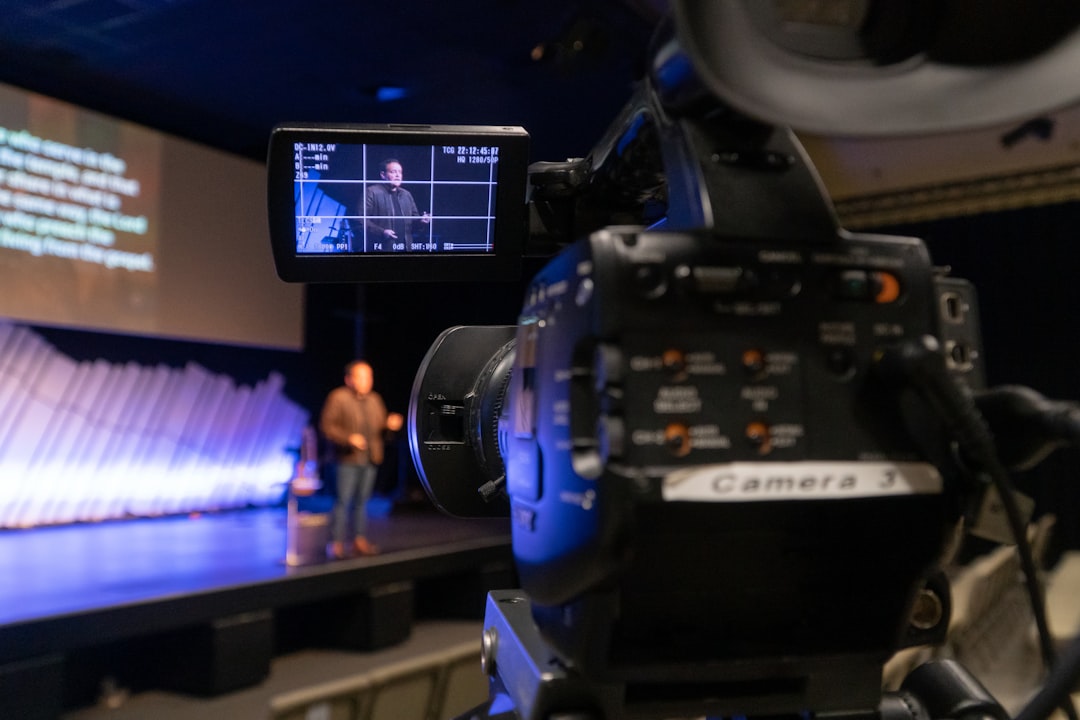
Security technology has changed significantly over the past two decades, and one of the most important developments is the rise of the IP camera. These cameras are now widely used in homes, offices, retail stores, warehouses, schools, and public facilities because they combine video capture with network connectivity. Instead of relying only on traditional analog cabling, an IP camera can send video data across a computer network, making surveillance more flexible, scalable, and easier to manage.
TLDR: An IP camera, or Internet Protocol camera, is a digital video camera that sends and receives data over a network. It can be accessed locally or remotely, depending on how it is configured, and often provides better image quality and smarter features than older analog cameras. IP cameras are commonly used for security monitoring, business operations, and evidence collection, but they must be properly secured to protect privacy and prevent unauthorized access.
Contents
What Does “IP Camera” Mean?
An IP camera is a camera that uses Internet Protocol to transmit video, audio, and control signals over a network. In simple terms, it works more like a networked computer device than a traditional CCTV camera. Each camera can have its own network address, allowing authorized users or recording systems to communicate with it directly.
Unlike older analog cameras, which usually send raw video signals to a digital video recorder through coaxial cables, an IP camera digitizes the video inside the camera itself. The video is then compressed and transmitted over an Ethernet cable, Wi Fi connection, or other network infrastructure. This design makes IP cameras suitable for both small installations and large, multi location surveillance systems.

How an IP Camera Works
An IP camera captures images through its lens and image sensor, converts those images into digital data, compresses the data, and sends it across a network. Depending on the setup, the video may be viewed live, stored on a network video recorder, saved to a server, or uploaded to a cloud platform.
The basic process usually includes the following steps:
- Image capture: The camera lens and sensor collect visual information from the monitored area.
- Digital processing: The camera converts the visual information into digital video and may adjust exposure, color, sharpness, or noise reduction.
- Compression: Video is compressed using formats such as H.264 or H.265 to reduce bandwidth and storage needs.
- Transmission: The camera sends the video stream over a wired or wireless network.
- Viewing or recording: Users can watch live footage, review recorded video, or receive alerts through authorized software or apps.
Many IP cameras also include built in processing capabilities. For example, they may detect motion, identify tampering, count people, or trigger alerts when activity occurs in a defined area. More advanced cameras may support analytics such as object classification or license plate recognition, depending on the model and software.
IP Cameras vs. Analog Cameras
The main difference between an IP camera and an analog camera is how video is handled and transmitted. An analog camera sends video as an electrical signal to a recorder, while an IP camera sends digital data over a network. This difference affects image quality, cabling, scalability, and functionality.
IP cameras often provide higher resolutions than traditional analog systems, including HD, 4K, and beyond. They can also be easier to integrate with modern software platforms, remote viewing tools, and centralized management systems. However, they require proper network planning, including enough bandwidth, storage capacity, and cybersecurity controls.
Analog systems may still be practical for certain environments, especially where existing coaxial cabling is already installed and advanced features are not required. However, many organizations choose IP systems because they offer greater flexibility and better long term compatibility with digital infrastructure.
Common Types of IP Cameras
IP cameras come in several designs, each suited to different environments and security needs. Choosing the right type depends on the area being monitored, lighting conditions, mounting location, and required field of view.
- Dome cameras: Compact cameras commonly mounted on ceilings. Their shape makes it difficult to see exactly where the lens is pointed.
- Bullet cameras: Cylindrical cameras often used outdoors. They are visible and can act as a deterrent.
- Turret cameras: Cameras with a ball and socket design, popular for clear visibility and easier positioning.
- PTZ cameras: Pan tilt zoom cameras that can move horizontally, vertically, and zoom in on distant activity.
- Fisheye cameras: Wide angle cameras that can monitor large spaces with a single device.

Key Features to Consider
Not all IP cameras are the same. Before selecting a camera, it is important to evaluate technical features carefully rather than relying only on price or appearance.
- Resolution: Higher resolution provides more detail, but also increases bandwidth and storage requirements.
- Low light performance: Cameras with infrared illumination or strong low light sensors are better for nighttime monitoring.
- Field of view: A wider lens covers more area, while a narrower lens captures more detail at a distance.
- Power over Ethernet: PoE allows power and data to run through one Ethernet cable, simplifying installation.
- Weather resistance: Outdoor cameras should have suitable IP ratings for dust and water protection.
- Audio: Some models include microphones or speakers, but audio recording may be subject to legal restrictions.
- Cybersecurity: Strong passwords, encryption, and firmware updates are essential for safe operation.
Benefits of Using an IP Camera
The popularity of IP cameras is largely due to their flexibility and performance. For homeowners, they provide convenient remote monitoring and alerts. For businesses, they support security, operational oversight, safety investigations, and compliance requirements.
Important benefits include:
- Remote access: Authorized users can view footage from a computer, phone, or monitoring center.
- Scalability: Additional cameras can often be added more easily than in traditional systems.
- High image quality: Digital video can capture clearer details, which may help identify people, vehicles, or incidents.
- Smart alerts: Motion detection and analytics can reduce the need for constant manual monitoring.
- Flexible storage: Video can be stored locally, on network recorders, on servers, or in the cloud.
These advantages make IP cameras useful not only for crime prevention but also for documenting accidents, verifying deliveries, managing entry points, and improving workplace safety.
Security and Privacy Risks
Because IP cameras are network connected devices, they must be treated as part of an organization’s cybersecurity environment. A poorly configured camera can expose sensitive footage or become an entry point for attackers. This is not a theoretical concern; unsecured cameras have been targeted in real world incidents.
Practical security measures include changing default passwords, using strong and unique credentials, enabling encryption where available, updating firmware, restricting remote access, and placing cameras on a separate network segment when possible. Organizations should also define who is allowed to view footage and how long recordings are retained.
Privacy is equally important. Cameras should be positioned to monitor legitimate security areas, not private spaces where people have a reasonable expectation of privacy. In workplaces and public facing businesses, clear policies and appropriate signage can help ensure transparency and legal compliance.

Where IP Cameras Are Used
IP cameras are used in many settings. In homes, they monitor entrances, driveways, garages, and interior spaces. In businesses, they are often installed near cash registers, storage areas, loading docks, hallways, and parking lots. Public institutions may use them to protect property, manage access, or support emergency response.
They are also valuable in specialized environments such as manufacturing plants, healthcare facilities, data centers, farms, and transportation hubs. In these settings, cameras may support safety monitoring, process control, incident documentation, and regulatory compliance.
Final Thoughts
An IP camera is more than just a digital security camera. It is a network connected monitoring device that can capture, process, transmit, and store video in ways that older systems cannot easily match. Its value comes from a combination of image quality, remote accessibility, scalability, and intelligent features.
However, the same connectivity that makes IP cameras powerful also creates responsibility. A reliable system requires careful planning, secure configuration, appropriate placement, and ongoing maintenance. When selected and managed properly, an IP camera can be a dependable part of a modern security strategy for both residential and professional environments.

