
The concept of a “smart home” has moved far beyond novelty gadgets and voice-controlled lights. In 2026, intelligent homes are ecosystems—deeply integrated, learning from our habits, conserving energy, enhancing security, and even supporting health and well-being. As artificial intelligence matures and connectivity becomes faster and more reliable, smart home technology is reshaping modern living in ways that once seemed futuristic. Homeowners are no longer just adopting smart devices; they are embracing fully connected lifestyles.
TLDR: Smart homes in 2026 are powered by advanced AI, unified ecosystems, and energy-smart technologies that make daily life more efficient and secure. From predictive automation and wellness monitoring to sustainable energy systems and biometric security, modern homes are becoming intuitive partners in everyday living. Enhanced interoperability standards and faster connectivity are making devices work together more seamlessly than ever. The result is a smarter, greener, and more personalized home experience.
Contents
- 1 1. AI-Powered Predictive Automation
- 2 2. Unified Smart Home Ecosystems
- 3 3. Energy Intelligence and Sustainability
- 4 4. Biometric and AI-Enhanced Security
- 5 5. Health and Wellness Integration
- 6 6. Voice and Gesture Control 2.0
- 7 7. Smart Kitchens and Connected Appliances
- 8 8. Adaptive Spaces and Smart Furniture
- 9 9. Faster Connectivity with Edge Computing
- 10 10. Personalized Digital Twins of the Home
- 11 The Bigger Picture: Smart Homes as Lifestyle Ecosystems
- 12 Looking Ahead
1. AI-Powered Predictive Automation
One of the biggest shifts in 2026 is the move from reactive to predictive automation. Earlier smart homes responded to direct commands or basic schedules. Now, AI-driven systems analyze patterns in behavior, weather, and energy usage to anticipate needs.
- Climate systems adjust automatically based on your sleep habits and upcoming weather changes.
- Lighting adapts to natural daylight levels and personal mood preferences.
- Appliances run during off-peak energy hours without manual programming.
Machine learning algorithms continuously refine their understanding of the household. For example, if you tend to lower blinds during hot afternoons, your system will start doing it for you. Over time, homes feel less like programmable spaces and more like responsive environments.
2. Unified Smart Home Ecosystems
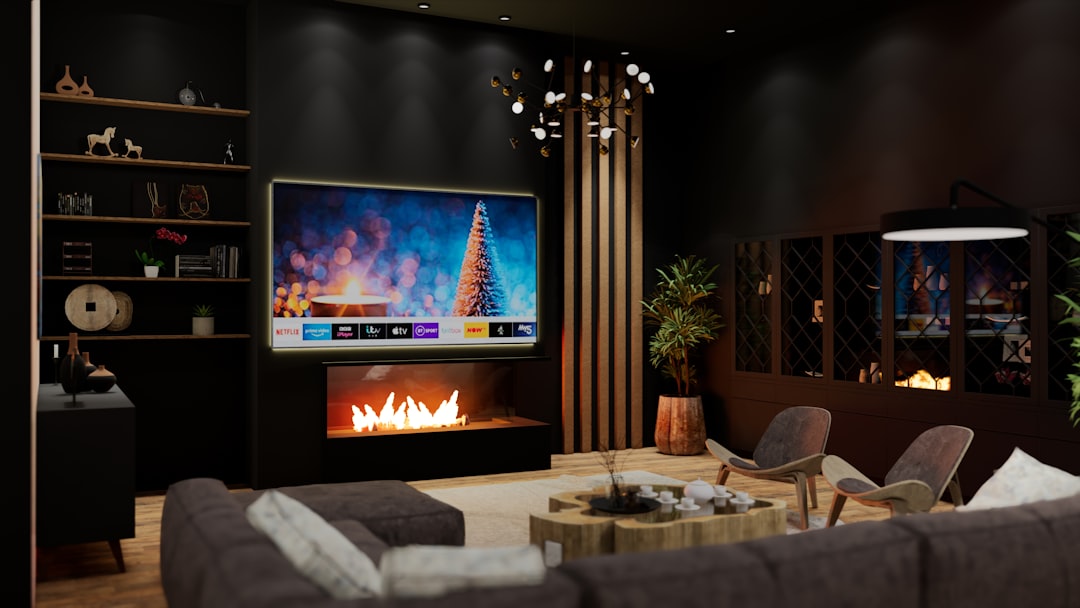
Fragmentation used to be a major obstacle. Different brands required separate apps and hubs, leading to frustration. In 2026, improved interoperability standards and open protocols allow devices to communicate seamlessly across platforms.
Unified ecosystems bring several key advantages:
- Single-app control: Manage lighting, security, appliances, and entertainment in one place.
- Cross-device routines: Trigger multiple actions with one command or event.
- Reduced latency: Faster response times thanks to improved local processing and edge computing.
The shift to unified platforms simplifies setup and eliminates compatibility concerns, making smart homes more accessible to mainstream consumers.
3. Energy Intelligence and Sustainability
As climate awareness grows, energy-efficient homes are no longer optional—they are expected. Smart homes in 2026 are central to sustainable living by optimizing power consumption and integrating renewable energy sources.
Key developments include:
- AI-managed solar panels: Systems determine the most efficient storage and usage patterns.
- Smart battery storage: Homes store power for peak demand periods and outages.
- Real-time energy analytics: Homeowners receive granular insights into consumption habits.
Advanced home energy dashboards show not only usage but also personalized recommendations for reduction. For example, they may suggest shifting EV charging to a different time to avoid peak grid strain.
Many properties now function as micro power hubs, selling unused energy back to the grid. This evolution turns smart homes into active participants in larger energy networks, contributing to greater grid stability.
Image not found in postmeta4. Biometric and AI-Enhanced Security
Home security in 2026 goes far beyond motion sensors and alarms. Biometric authentication and AI-powered video analytics are redefining safety.
- Facial recognition doorbells distinguish between family members and unknown visitors.
- Behavior-based alerts detect unusual activity patterns around the property.
- Voice recognition locks provide secure, personalized access.
Instead of constant notifications, smart systems prioritize meaningful alerts. For instance, your security camera won’t alert you to a passing car but will notify you if someone lingers unusually long near your entrance.
Cloud backups combined with local storage ensure both data security and quick access. Privacy enhancements, including stronger encryption and user-controlled data permissions, also address earlier concerns about digital vulnerabilities.
5. Health and Wellness Integration
The smart home is becoming an extension of personal healthcare. In 2026, wellness-focused features are among the fastest-growing segments in home tech.
These include:
- Air quality monitoring with automatic filtration adjustments.
- Circadian lighting systems that support healthy sleep cycles.
- Water purity sensors ensuring clean drinking water.
In some homes, non-intrusive wellness monitoring systems track movement patterns of elderly residents and alert caregivers to potential falls or irregular routines. Smart bathrooms can monitor metrics such as hydration and provide subtle health insights.
The emphasis is on proactive health support rather than reactive treatment. Homes play a role in reducing stress, improving sleep, and maintaining long-term well-being.
6. Voice and Gesture Control 2.0
Voice assistants have matured significantly. In 2026, natural language processing allows systems to understand context, emotion, and multi-step requests.
For example, saying, “I’m hosting dinner tonight” could automatically:
- Adjust lighting to a warm ambience
- Set a comfortable temperature
- Play a curated background playlist
- Activate the kitchen prep mode
Gesture control is also gaining popularity, particularly in kitchens and home theaters where touchless operation is valuable. Advanced sensors interpret hand movements to dim lights, scroll recipes, or adjust volume.
These intuitive controls reduce friction and create a more fluid interaction between residents and their living spaces.
7. Smart Kitchens and Connected Appliances
The heart of the home is smarter than ever. Connected refrigerators monitor expiration dates and suggest recipes based on available ingredients. Ovens recognize food types and automatically select optimal cooking settings.
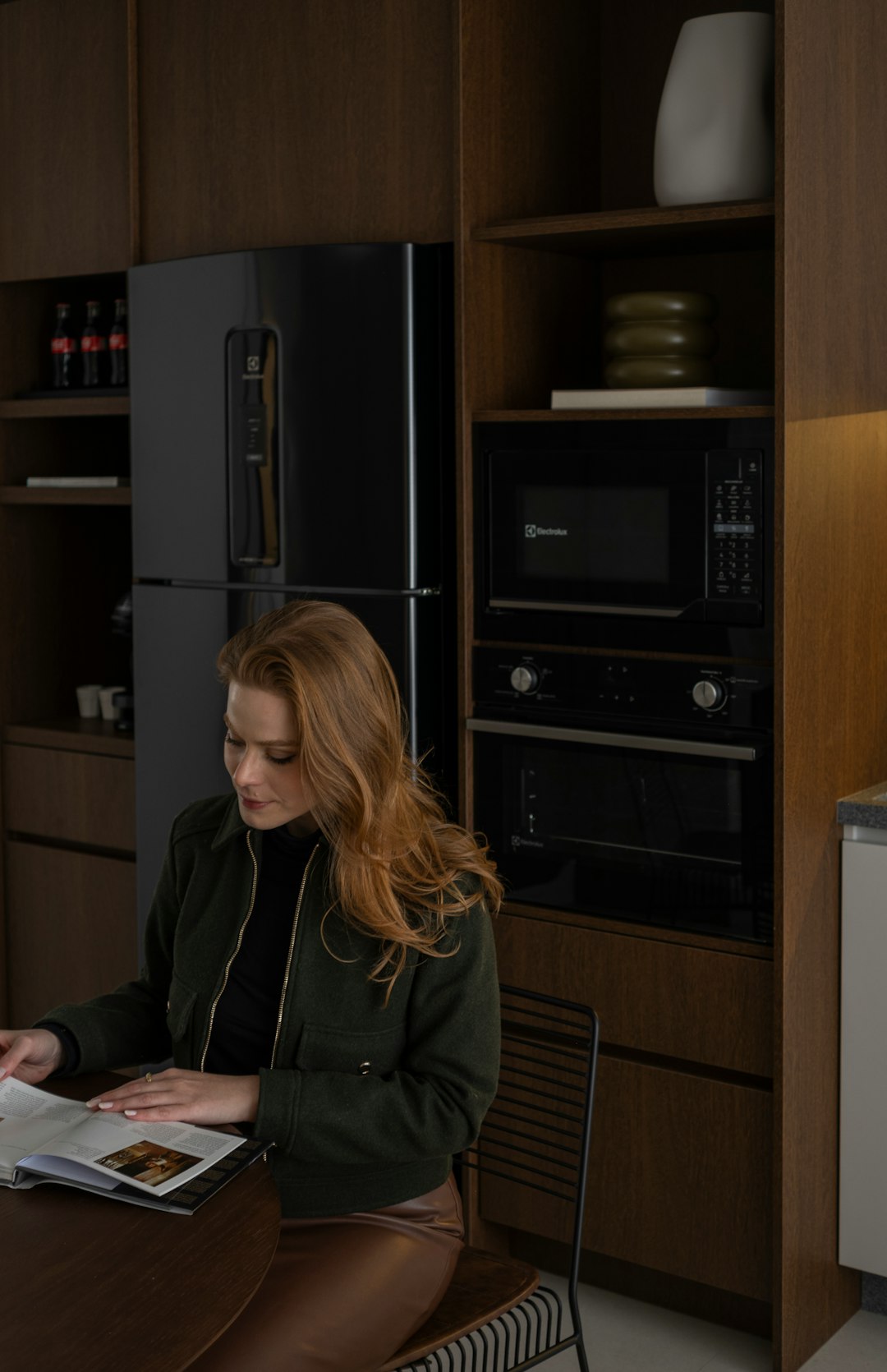
Innovations include:
- Inventory tracking: Real-time management of pantry and fridge contents.
- Energy-adaptive cooking: Appliances adjust power consumption based on demand.
- Remote diagnostics: Technicians can troubleshoot appliances virtually.
These improvements save time, reduce food waste, and streamline daily routines. Busy households benefit particularly from automation that reduces repetitive decisions.
8. Adaptive Spaces and Smart Furniture
With hybrid work models firmly established, homes are becoming flexible environments. Adaptive spaces use smart partitions, adjustable desks, and transformable furniture connected to home systems.
A home office may automatically shift into “focus mode” by:
- Activating noise-cancelling soundscapes
- Adjusting ergonomic desk settings
- Changing light temperature for productivity
Later, with a simple voice command, the same space transforms into a relaxation area with softer lighting and multimedia activation.
This versatility maximizes square footage and reflects evolving lifestyle demands.
9. Faster Connectivity with Edge Computing
The rollout of faster wireless networks and edge computing has drastically improved smart home performance. Rather than relying entirely on distant cloud servers, devices now process data locally.
Benefits include:
- Lower latency for real-time automation
- Greater privacy through reduced data transmission
- Improved reliability during internet outages
This technological backbone enables smoother interaction among devices, allowing complex automations to execute instantly.
10. Personalized Digital Twins of the Home
One emerging concept in 2026 is the “digital twin” of a home—a virtual model that mirrors physical systems in real time. Homeowners can simulate changes, test energy scenarios, and identify inefficiencies before making adjustments.
For example, you can preview how adding insulation or adjusting HVAC settings will affect energy bills over a year. This forward-thinking feature supports data-driven home improvements and better financial planning.
The Bigger Picture: Smart Homes as Lifestyle Ecosystems
Beyond individual trends, the most important transformation is how these innovations converge. A modern smart home in 2026 is not defined by a single device but by coordinated intelligence.
Security integrates with lighting. Energy management connects with appliance usage. Wellness systems align with climate control. Each component communicates fluidly, creating a holistic ecosystem that works quietly in the background.
As costs decrease and user interfaces become simpler, smart home adoption continues rising across demographics. Renters benefit from modular, portable systems. Homeowners invest in fully integrated infrastructures. Builders now often include smart foundations as standard features.
Looking Ahead
The trajectory of smart home technology suggests even deeper integration in the coming years. Advances in AI empathy, robotics, and renewable infrastructure may further transform domestic life. We may see autonomous maintenance robots, predictive grocery reordering tied to nutrition goals, and fully self-healing energy systems.
In 2026, however, the core mission is clear: to create homes that are not only connected but also intelligent, efficient, secure, and responsive to human needs. As technology continues to evolve, the modern home stands at the intersection of innovation and everyday living—comfortably bridging the gap between imagination and reality.
Smart homes are no longer a glimpse of tomorrow—they are actively reshaping how we live today.

