
In today’s hyper-connected world, conversations about brands unfold every second across social media platforms, forums, blogs, and review sites. For data-driven marketing teams, these conversations represent an invaluable source of real-time insight. Social listening solutions allow marketers to move beyond guesswork and tap directly into the voice of the customer. By capturing, analyzing, and acting on social data, organizations can uncover trends, measure brand sentiment, and drive smarter business decisions.
TLDR: Social listening solutions help marketing teams capture and analyze online conversations to gain actionable insights. They empower data-driven decisions by identifying trends, measuring sentiment, and tracking competitors. When integrated with analytics and CRM systems, these tools enhance campaign effectiveness and customer engagement. Ultimately, social listening turns raw social data into strategic advantage.
Contents
- 1 What Are Social Listening Solutions?
- 2 Why Social Listening Matters for Data-Driven Teams
- 3 Key Features of Effective Social Listening Solutions
- 4 Integrating Social Listening with Marketing Analytics
- 5 Use Cases Across the Marketing Lifecycle
- 6 Challenges and How to Overcome Them
- 7 Measuring ROI of Social Listening
- 8 The Future of Social Listening
- 9 Building a Listening-Centric Culture
- 10 Conclusion
What Are Social Listening Solutions?
Social listening solutions are specialized platforms designed to monitor digital conversations across social media, blogs, news outlets, forums, podcasts, and review sites. Unlike basic social media monitoring, which focuses on tracking mentions and metrics, social listening digs deeper into context, intent, and sentiment behind those mentions.
These tools use advanced technologies such as:
- Natural Language Processing (NLP) to understand human language
- Machine learning algorithms to detect patterns and anomalies
- Sentiment analysis to gauge emotional tone
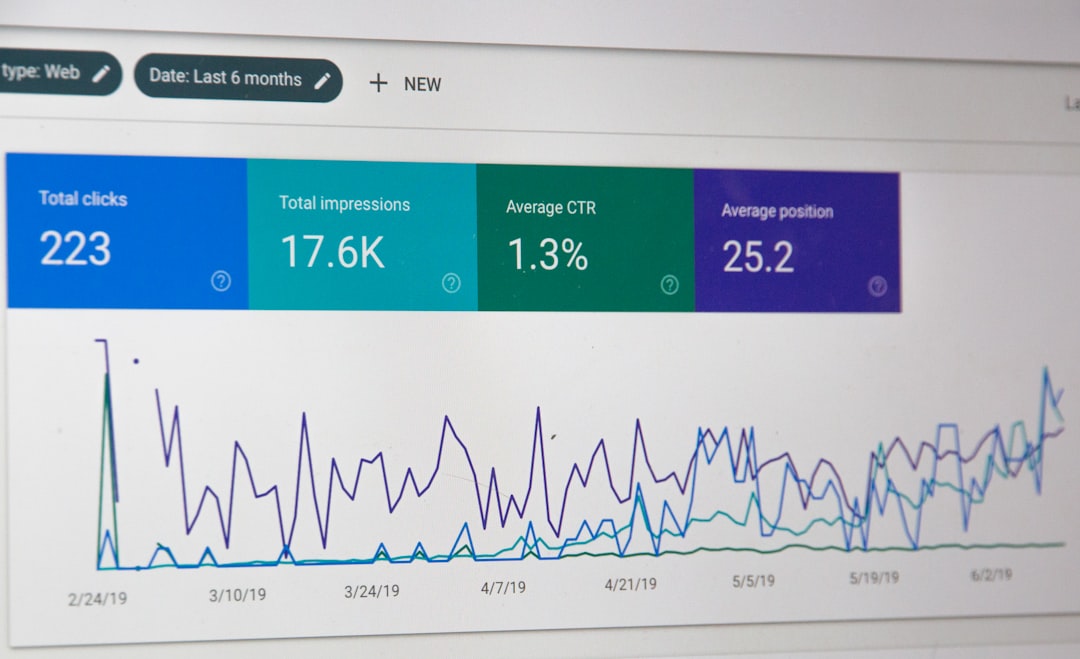
- Data visualization dashboards to transform complex data into clear insights
For data-driven marketing teams, this means moving from surface-level metrics like “likes” and “shares” to deeper strategic indicators such as customer perception, purchase intent, and emerging trends.
Why Social Listening Matters for Data-Driven Teams
Data-driven marketing is about making decisions grounded in measurable evidence rather than intuition. Social listening provides a rich stream of unfiltered consumer feedback that traditional surveys and focus groups may miss.
1. Real-Time Market Intelligence
Markets shift quickly. Consumer expectations evolve, competitors launch new products, and cultural trends can reshape demand overnight. Social listening platforms provide real-time updates that enable marketing teams to:
- Detect emerging industry trends
- Monitor competitor campaigns
- Spot potential PR crises early
- Identify viral opportunities
This agility gives brands a competitive edge in fast-moving industries.
2. Deep Customer Insight
Customers are constantly sharing opinions online — both positive and negative. Social listening aggregates these conversations into meaningful insights. Marketing teams can uncover:
- Common product complaints
- Feature requests and unmet needs
- Customer satisfaction drivers
- Emotional reactions to brand messaging
When analyzed effectively, these insights inform product development, messaging strategy, and customer experience improvements.
3. Campaign Performance Analysis
Beyond traditional metrics like impressions and click-through rates, social listening evaluates qualitative response. How do people truly feel about your campaign? Are they inspired, confused, or indifferent?
By analyzing sentiment shifts and conversation volume before, during, and after a campaign, marketing teams gain a fuller picture of impact.

Key Features of Effective Social Listening Solutions
Not all tools offer the same level of insight. For data-driven marketing teams, certain features are essential.
Advanced Sentiment Analysis
Basic sentiment classification (positive, negative, neutral) is no longer sufficient. Modern solutions use AI to detect nuances such as sarcasm, urgency, and emotional intensity. This helps marketing teams prioritize responses and tailor messaging more effectively.
Topic and Trend Clustering
AI-powered topic modeling identifies recurring themes across thousands or millions of posts. Rather than manually scanning conversations, marketers can quickly see which issues dominate discussion and how they evolve over time.
Influencer and Advocate Identification
Social listening tools help brands find individuals who are already passionate about their products or industry. These advocates can amplify messaging authentically and build stronger community engagement.
Competitor Benchmarking
Comparative dashboards allow teams to evaluate performance against competitors, including:
- Share of voice
- Sentiment comparison
- Engagement rates
- Trending campaign themes
This insight informs positioning and strategic adjustments.
Integrating Social Listening with Marketing Analytics
To fully unlock value, social listening data should not exist in isolation. The most successful data-driven teams integrate it with broader analytics ecosystems.
Key integration opportunities include:
- CRM systems: Enrich customer profiles with social engagement history
- Marketing automation platforms: Trigger personalized messaging based on sentiment signals
- Business intelligence tools: Combine social data with sales and web analytics
- Customer support systems: Route complaints or urgent issues to service teams
When social listening feeds directly into these systems, marketing moves from reactive listening to proactive action.
Use Cases Across the Marketing Lifecycle
Product Launch Optimization
Before launching a product, teams can analyze discussions around similar offerings to identify common frustrations and expectations. During launch, real-time monitoring enables rapid responses to feedback.
Brand Reputation Management
Crisis detection is one of the most critical functions of social listening. A sudden spike in negative sentiment can signal emerging issues, allowing brands to address problems before they escalate.
Content Strategy Development
By identifying frequently asked questions and trending industry topics, marketers can create content aligned with audience interests. SEO strategies also benefit from natural language insights found in real-world conversations.
Customer Experience Enhancement
Listening to customer complaints and suggestions provides a roadmap for service improvements. Marketing, product, and support teams can collaborate more effectively by aligning around these insights.
Challenges and How to Overcome Them
While social listening offers powerful insights, implementation comes with challenges.
Data Overload
The sheer volume of online data can overwhelm teams. Effective filtering, keyword refinement, and AI-assisted prioritization help isolate meaningful signals.
Noise vs. Signal
Not every mention is relevant. Advanced filtering capabilities and contextual analysis ensure the focus remains on high-impact conversations.
Interpreting Ambiguity
Language is complex. Sarcasm and regional differences can distort interpretation. Regular model training and human oversight improve analytical accuracy.
Organizational Silos
Insights lose value if they remain confined to one department. Cross-functional sharing and clear reporting frameworks maximize organizational impact.
Measuring ROI of Social Listening
To justify investment, marketing leaders must track measurable outcomes. Key performance indicators may include:
- Improved brand sentiment scores
- Faster crisis response times
- Increased campaign engagement
- Higher customer retention rates
- Greater share of voice relative to competitors
Additionally, insights derived from social listening can inform budget allocation, ensuring resources target channels and messages that resonate most strongly with audiences.
The Future of Social Listening
The next evolution of social listening is driven by artificial intelligence and predictive analytics. Rather than simply analyzing past conversations, future-focused solutions will anticipate trends before they fully emerge. Predictive modeling may highlight rising topics days or weeks before they peak.
Voice recognition is also expanding listening capabilities to include podcasts and voice-based platforms. Meanwhile, improved sentiment granularity will allow brands to distinguish between casual dissatisfaction and high-risk negative sentiment.
As privacy regulations evolve, ethical data usage and compliance will become increasingly important. Data-driven marketing teams must balance insight gathering with transparency and responsible data practices.
Building a Listening-Centric Culture
Technology alone is not enough. To truly benefit from social listening, organizations must adopt a culture that values continuous learning from customers.
Best practices include:
- Establishing clear listening objectives aligned with business goals
- Creating cross-departmental insight reports
- Training teams to interpret and act on data effectively
- Regularly reviewing keyword strategies and dashboards
- Encouraging agile experimentation based on insights
When listening becomes embedded in everyday workflows, marketing evolves from message broadcasting to dynamic conversation engagement.
Conclusion
Social listening solutions have become indispensable tools for data-driven marketing teams seeking deeper insight and competitive advantage. By transforming vast volumes of online conversation into structured, actionable intelligence, these platforms empower smarter strategy, stronger brand connections, and more resilient reputation management.
In an era where customers openly shape brand narratives, the ability to listen — carefully, intelligently, and continuously — is no longer optional. It is the foundation of modern marketing success. Teams that invest in advanced social listening and integrate insights across their organizations will not only understand their audiences better but will also anticipate their needs — turning data into growth and conversations into opportunity.

