
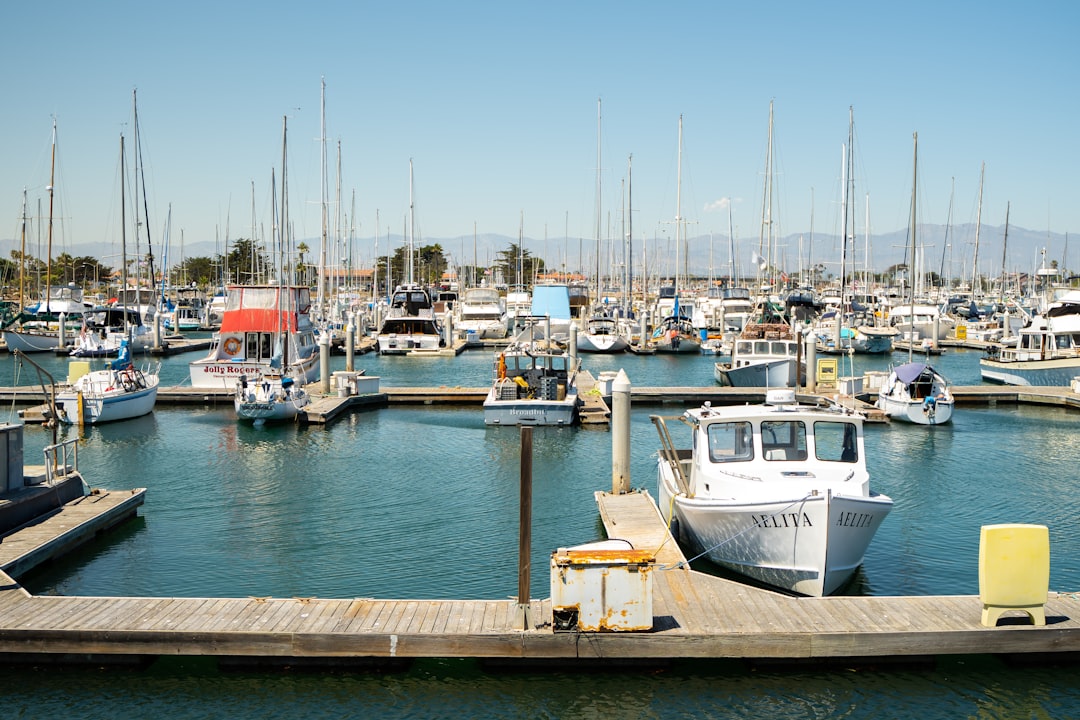
Managing a marina today is far more complex than simply assigning slips and collecting payments. With seasonal demand, transient boaters, long-term tenants, maintenance scheduling, and customer expectations for instant online booking, marina operators need smarter solutions. That’s where marina management apps step in—streamlining reservations, automating billing, and improving the overall customer experience.
TLDR: Marina management software helps simplify slip reservations, automate billing, and enhance boater communication. While Dockwa is a popular choice, several powerful alternatives offer robust booking tools, integrated payments, and management dashboards. Platforms like Marina Master, Harba, DockMaster, Elite Dynamics, SeaBooking, and DockSpot each bring unique strengths. Choosing the right one depends on marina size, budget, and operational needs.
Below, we explore six powerful marina management apps like Dockwa that simplify boat slip reservations and modernize marina operations.
Contents
Why Marina Management Software Matters
Before diving into the alternatives, it’s important to understand why these tools have become essential. Traditional manual systems—paper logs, spreadsheets, or basic POS setups—leave plenty of room for errors. Double bookings, missed payments, and lack of visibility into occupancy can cost marinas thousands in lost revenue.
Modern marina management platforms offer:
- Online slip reservations for transient and long-term stays
- Real-time availability tracking
- Integrated payment processing
- Automated invoicing and recurring billing
- Customer communication tools
- Reporting and analytics dashboards
For growing marinas or those shifting toward digital-first service models, these platforms aren’t just helpful—they’re transformational.
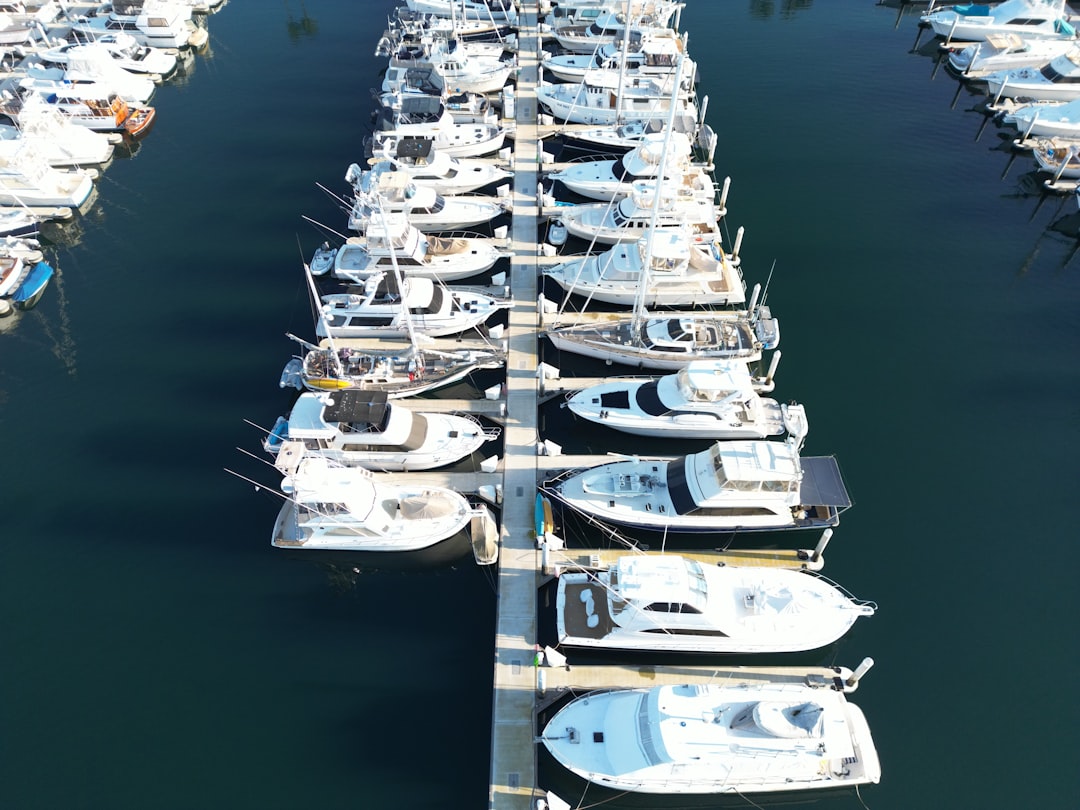
1. Marina Master
Best for: Large marinas and multi-location enterprises
Marina Master is a comprehensive management system designed for larger-scale operations. It offers a cloud-based solution that covers slip management, boatyard scheduling, fuel dock services, and detailed financial reporting.
Key Features:
- Interactive marina maps for slip assignments
- Advanced reporting and accounting integration
- Work order and maintenance tracking
- CRM tools for tenant communication
Unlike more lightweight booking apps, Marina Master focuses heavily on operational depth. It allows managers to oversee everything from berth occupancy trends to service department profitability. If your marina operates like a small municipality, this system can provide the structure you need.
2. Harba
Best for: Marinas looking for customer-centric digital experiences
Harba combines back-end marina management with an intuitive boater app. It allows customers to book slips, receive marina updates, access gate codes, and even communicate directly with staff from their smartphones.
Key Features:
- Online booking portal
- Automated invoicing and contracts
- Digital check-in and check-out
- Boater mobile app
Harba stands out for prioritizing communication and customer satisfaction. Boaters increasingly expect seamless digital interactions, and Harba helps marinas meet those expectations while maintaining operational control.
3. DockMaster
Best for: Full-service marinas with service yards
DockMaster is ideal for marinas that operate service and repair facilities in addition to slip rentals. The platform integrates scheduling, parts inventory, and technician time tracking alongside traditional reservation management.
Key Features:
- Detailed work order management
- Parts and inventory tracking
- Seasonal and transient slip billing
- Accounting software integration
For marinas that rely heavily on repair and maintenance revenue, DockMaster provides a powerful combination of booking and service management tools in one system.

4. Elite Dynamics
Best for: Marinas seeking strong accounting and financial oversight
Elite Dynamics offers a highly configurable marina management solution with a strong emphasis on financial tracking. It’s frequently chosen by marinas that need in-depth billing controls and reporting flexibility.
Key Features:
- Customizable billing cycles
- Utility metering and chargeback tracking
- Real-time occupancy analytics
- Integrated CRM system
What sets Elite Dynamics apart is its ability to manage complex pricing structures—such as tiered utility charges or seasonal rate shifts—while keeping revenue reporting clear and organized.
5. SeaBooking
Best for: Small and medium marinas prioritizing simplicity
SeaBooking focuses on making reservations straightforward for both staff and boaters. Its clean interface and web-based booking tools reduce administrative burden while improving the reservation experience.
Key Features:
- Public booking page integration
- Real-time availability updates
- Payment gateway support
- Email confirmation automation
For smaller marinas transitioning away from manual scheduling systems, SeaBooking offers an accessible entry point without overwhelming users with complex enterprise features.
6. DockSpot
Best for: Marinas targeting transient boaters
DockSpot operates similarly to an online marketplace for boat slip reservations. It connects marinas with boaters searching for temporary docking, helping increase occupancy during off-peak seasons.
Key Features:
- Marketplace-style visibility
- Online reservation management
- Secure payment handling
- Availability synchronization
For marinas in tourism-heavy areas, DockSpot can act as a marketing channel and booking solution all in one, increasing exposure while simplifying reservations.

Comparison Chart
| Platform | Best For | Online Booking | Accounting Integration | Service Management | Boater App |
|---|---|---|---|---|---|
| Marina Master | Large operations | Yes | Advanced | Yes | No |
| Harba | Customer experience | Yes | Moderate | Limited | Yes |
| DockMaster | Service yards | Yes | Advanced | Strong | No |
| Elite Dynamics | Financial oversight | Yes | Advanced | Optional | No |
| SeaBooking | Small marinas | Yes | Basic | No | No |
| DockSpot | Transient traffic | Yes | Basic | No | Limited |
How to Choose the Right Marina Management App
Selecting the right software depends on several factors:
- Size of operation: Larger marinas may require enterprise-level reporting and service modules.
- Revenue streams: If you generate significant income from repairs and maintenance, look for integrated work order capabilities.
- Customer expectations: Marinas catering to tech-savvy boaters should prioritize intuitive online booking and mobile features.
- Budget: Smaller marinas may benefit from simpler, scalable solutions rather than complex enterprise systems.
- Integration needs: Consider compatibility with your current accounting or payment processing tools.
It’s also wise to request demos and trial periods. Staff adoption plays a major role in successful implementation. Even the most powerful features are useless if your team finds the software difficult to use.
The Future of Slip Reservation Technology
Marina management technology continues evolving. Emerging features include AI-powered demand forecasting, automated utility billing through IoT meters, dynamic pricing models for peak seasons, and enhanced CRM personalization.
Expect platforms to increasingly resemble hospitality management systems used by hotels—complete with revenue optimization tools, marketing automation, and integrated guest experiences.
As boating grows in popularity and customer expectations rise, marinas that adopt efficient, digital-first management solutions will likely outperform those relying on legacy systems.
Final Thoughts
Dockwa remains a popular marina management solution, but it’s far from the only option. Whether you need enterprise-level oversight, enhanced service department management, or a clean and simple reservation platform, alternatives like Marina Master, Harba, DockMaster, Elite Dynamics, SeaBooking, and DockSpot provide compelling choices.
The right solution will streamline slip reservations, improve financial accuracy, and elevate the overall boater experience. In a competitive marine industry, efficiency isn’t just convenient—it’s a strategic advantage.

