

Antarvafna is a concept that has long occupied a subtle yet significant place in cultural memory, philosophical discourse, and regional traditions across parts of South Asia. Though not universally codified in mainstream academic canons, it persists in oral histories, localized ritual systems, and interpretive scholarship. Its layered meanings—spanning introspection, transitional identity, and collective consciousness—invite thoughtful examination. Understanding Antarvafna requires tracing its historical roots, cultural adaptations, and symbolic expressions across time.
TLDR: Antarvafna refers to a deeply rooted cultural and philosophical concept associated with introspection, transitional identity, and collective memory. Emerging from regional traditions and layered historical contexts, it evolved through oral narratives, ritual practices, and artistic expressions. Its meaning has shifted across centuries but continues to reflect themes of inner reckoning and communal continuity. Today, Antarvafna remains relevant as both a cultural symbol and a lens for understanding identity in flux.
Contents
- 1 Historical Origins of Antarvafna
- 2 Cultural Expressions and Ritual Practice
- 3 Philosophical Dimensions
- 4 Artistic and Literary Depictions
- 5 Colonial Encounters and Intellectual Reinterpretation
- 6 Modern Relevance and Psychological Resonance
- 7 Core Characteristics of Antarvafna
- 8 Comparative Perspective
- 9 Scholarly Challenges and Preservation
- 10 Conclusion
Historical Origins of Antarvafna
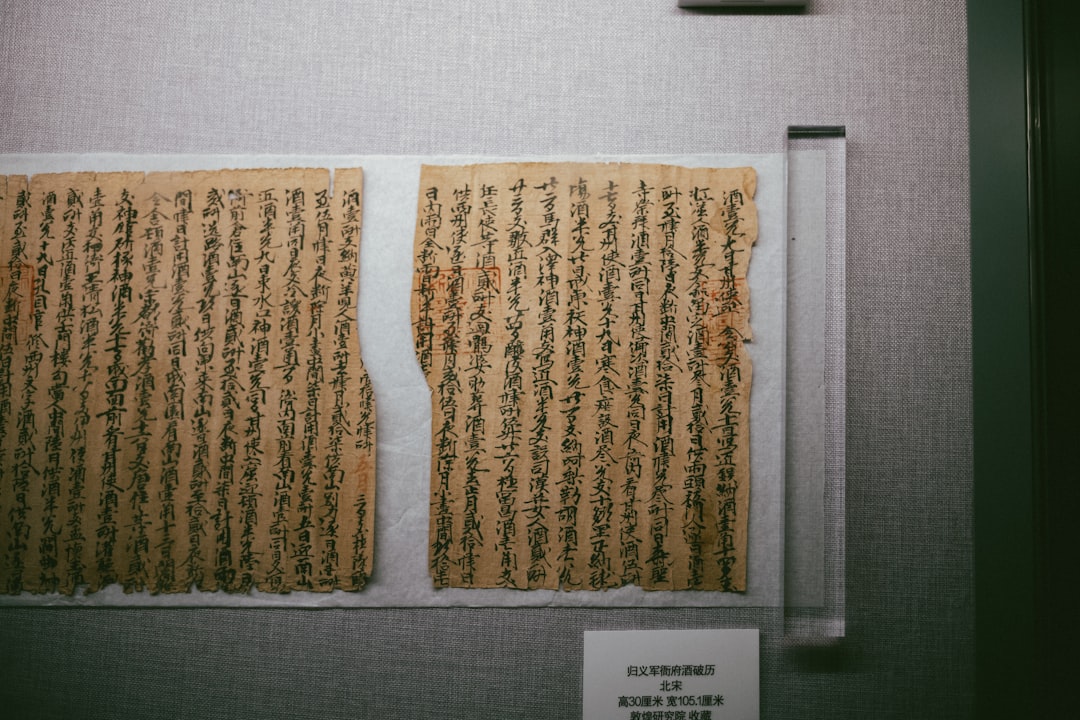
The earliest references to Antarvafna appear not in formal state inscriptions, but within oral traditions and interpretive commentaries attached to regional philosophical schools. Linguistically, the term is believed to derive from compound roots roughly translating to “inner weaving” or “internal confluence.” This dual imagery—interiority and convergence—provides clues to its enduring conceptual power.
Between the 9th and 13th centuries, periods of intense social and religious transformation across the subcontinent generated frameworks for reconciling external upheaval with internal stability. Antarvafna emerged in this context as a way of describing:
- The dialogue between personal conscience and communal duty
- The reconciliation of shifting political landscapes with persistent cultural memory
- The state of spiritual liminality between change and continuity
Unlike rigid doctrinal systems, Antarvafna was fluid. It functioned less as a rulebook and more as a reflective orientation. Scholars today suggest that its adaptability explains its survival across centuries marked by dynastic shifts, migrations, and social reforms.
Cultural Expressions and Ritual Practice
Antarvafna found tangible expression in ritual life. While lacking a singular canonical ceremony, it appeared symbolically in seasonal transitions, rites of passage, and collective remembrance festivals. These practices shared specific features:
- A threshold moment—dawn, equinox, marriage, or initiation
- Silent reflection or guided recitation
- Communal acknowledgment of change
In agrarian communities, Antarvafna-inspired ceremonies often accompanied harvest transitions. Participants gathered before sunrise, observing structured silence before recitations that emphasized gratitude and humility. The ritual emphasis was not solely on prosperity but on ethical alignment within transformation.
Urban guild networks of the late medieval period adapted the concept as well. Before major trade journeys or commercial expansions, guild leaders invoked Antarvafna as a reminder that economic growth should align with moral reflection. This blending of spirituality and pragmatism underscores the concept’s integrative character.
Philosophical Dimensions
Philosophically, Antarvafna operates within a triadic framework:
- Interior Awareness: Acknowledging one’s internal motivations and uncertainties.
- Relational Balance: Maintaining equilibrium between individual agency and social obligation.
- Temporal Continuity: Recognizing the past as an active component of present identity.
This triad distinguishes Antarvafna from purely ascetic traditions. It does not advocate withdrawal from the world. Instead, it promotes engaged reflection—remaining active in civic and familial life while sustaining conscious ethical evaluation.
In 18th-century interpretive texts attributed to regional scholars, Antarvafna was described as “the still axis within rotation.” Such metaphorical language suggests a worldview in which motion and stillness coexist. The individual is neither fully detached nor wholly absorbed in external affairs.

Artistic and Literary Depictions
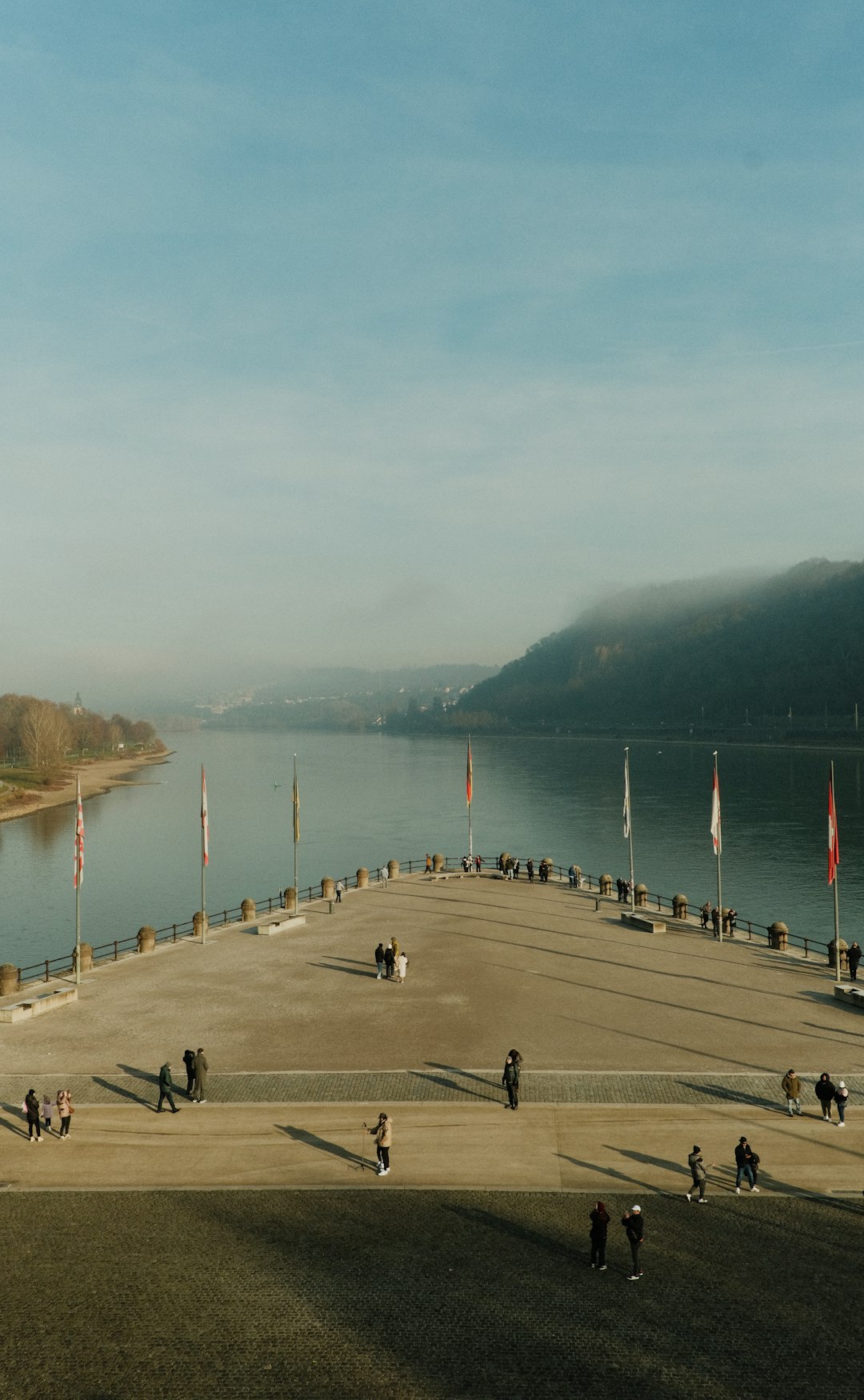
Art and literature played a critical role in preserving and evolving the meaning of Antarvafna. Miniature paintings from certain regional workshops depict solitary figures standing at river confluences or mountain passes—symbolizing interior crossroads. Poets of devotional movements occasionally invoked imagery of “inner weaving” to articulate the merging of doubt and faith.
Common symbolic motifs include:
- Confluence of rivers — representing internal dialogue
- Threshold architecture — doorways and gates signifying transition
- Dawn skies — embodying renewal without erasure of night
Literary narratives frequently placed protagonists in states of moral ambiguity before decisive action. Rather than depicting instant clarity, these stories lingered in moments of contemplation. The emphasis was not on triumph but on ethical consideration.
Colonial Encounters and Intellectual Reinterpretation
The colonial period introduced significant reinterpretation. Western scholars encountering references to Antarvafna sometimes mischaracterized it as mystical fatalism. However, indigenous intellectuals responded by reframing the concept within reformist discourse.
In the 19th and early 20th centuries, reform movements adopted Antarvafna as a metaphor for national self-examination. Leaders argued that societies, like individuals, must undergo periods of introspective weaving—integrating modern knowledge without discarding inherited values.
This reinterpretation demonstrates two important dynamics:
- Conceptual resilience: Antarvafna adapted without losing core meaning.
- Political elasticity: It could serve reflective reform rather than passive tradition.
Such adaptability contributed to its persistence in intellectual debates about modernization and identity formation.
Modern Relevance and Psychological Resonance
In contemporary discourse, Antarvafna increasingly resonates within psychological and sociological frameworks. Modern interpreters connect it to ideas such as reflective equilibrium, identity integration, and mindful transition. While caution is necessary to avoid anachronistic reinterpretation, thematic parallels are evident.
Today, Antarvafna is invoked in discussions of:
- Migratory identity — navigating between homeland and adopted culture
- Generational change — balancing inheritance with innovation
- Institutional ethics — aligning action with principle
Importantly, contemporary usage often retains its communal dimension. Antarvafna is not limited to solitary meditation; it encompasses collective reflection processes in educational institutions, civic bodies, and artistic communities.
Core Characteristics of Antarvafna
To synthesize its defining features, Antarvafna can be understood through the following characteristics:
- Liminal Awareness: Existing consciously within transition.
- Ethical Reflection: Sustained moral consideration before action.
- Cultural Continuity: Respect for inherited narratives.
- Adaptability: Capacity to evolve across historical contexts.
- Communal Engagement: Shared rather than purely individual introspection.
Each of these traits reinforces the others. Without communal engagement, reflection risks isolation. Without adaptability, continuity hardens into rigidity. Antarvafna’s historical strength lies precisely in balancing these tensions.
Comparative Perspective
While uniquely contextual, Antarvafna shares structural similarities with other traditions of introspective transition. A comparative overview clarifies its distinctiveness:
| Concept | Primary Focus | Individual vs Collective | Emphasis on Transition |
|---|---|---|---|
| Antarvafna | Inner weaving of identity and duty | Both individual and communal | Central feature |
| Ascetic Withdrawal Traditions | Detachment from worldly engagement | Primarily individual | Secondary |
| Ritual Purification Systems | Removal of impurity | Often communal | Context-specific |
| Modern Mindfulness Practices | Present moment awareness | Primarily individual | Implicit rather than explicit |
This comparison highlights how Antarvafna uniquely integrates transition as a defining principle rather than an incidental setting.
Scholarly Challenges and Preservation
Because much of Antarvafna’s transmission occurred orally, historians face documentation gaps. Variation in spelling and pronunciation across regions complicates archival research. Furthermore, modernization has altered ritual frameworks in which the concept once functioned organically.
Yet preservation efforts are underway. Cultural historians are:
- Recording oral histories from elder custodians of ritual traditions
- Digitizing manuscripts referencing interpretive commentaries
- Integrating discussions of Antarvafna into broader cultural studies curricula
These efforts aim not to fossilize the concept but to document its multiplicity. Scholars increasingly recognize that elasticity—rather than fixed definition—constitutes its core integrity.
Conclusion
Antarvafna stands as a profound example of how cultures articulate interior life within historical movement. Far from being an obscure relic, it represents a durable framework for negotiating change without losing continuity. Its language of inner weaving, ethical pause, and shared reflection offers insight into how communities endure transformation across centuries.
In an era marked by accelerated social shifts, the enduring resonance of Antarvafna suggests that traditions centered on thoughtful transition remain indispensable. By studying its cultural and historical context with care, we gain not only academic understanding but also a richer appreciation of how human societies cultivate depth amid motion.

