
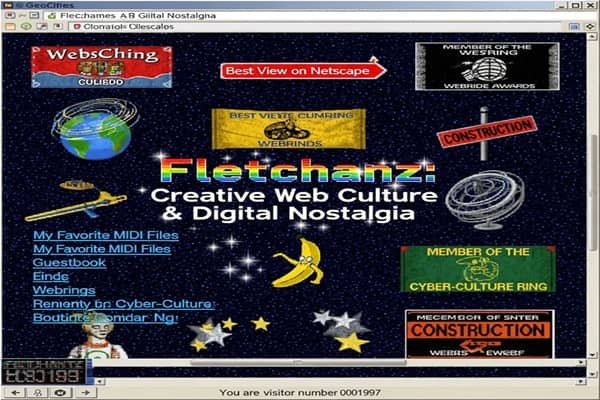
You know that feeling when you randomly remember an old website with neon text, blinking GIFs, and a MIDI song that autoplayed whether you liked it or not? Yeah, that’s Geocities Fletchanz energy right there. If you’ve ever wondered what Geocities Fletchanz actually was, why people still talk about it, or how it fits into early internet culture, you’re in the right place.
I’ve spent way too many late nights poking around archived GeoCities pages, half for research and half for nostalgia. Some of it looks wild, some of it looks broken, and all of it feels strangely human. So let’s talk about Geocities Fletchanz like two internet nerds swapping stories over coffee.
Ready? Let’s go.
Contents
- 1 What Is Geocities Fletchanz, Really?
- 2 Why GeoCities Felt So Different From Today’s Web
- 3 The Visual Chaos That Defined Geocities Fletchanz
- 4 Who Was Fletchanz in the GeoCities World?
- 5 How Geocities Fletchanz Encouraged DIY Web Skills
- 6 Community Vibes: Comments, Guestbooks, and Connection
- 7 Why Geocities Fletchanz Still Matters Today
- 8 Geocities Fletchanz vs Modern Platforms
- 9 The Revival: Where Fletchanz Energy Lives Now
- 10 Lessons Modern Creators Can Learn From Geocities Fletchanz
- 11 SEO and Geocities Fletchanz: Oddly Relevant?
- 12 Common Myths About Geocities Fletchanz
- 13 Why People Still Talk About It
- 14 The Emotional Side of Geocities Fletchanz
- 15 Final Thoughts: Why Geocities Fletchanz Still Deserves Respect
What Is Geocities Fletchanz, Really?
At its core, Geocities Fletchanz refers to a creative identity, theme, or subculture tied to the GeoCities era of the web. GeoCities itself gave people a chance to build websites without permission from gatekeepers. Fletchanz became part of that ecosystem as a recognizable name associated with personal expression, experimentation, and raw creativity.
People didn’t overthink things back then. They just built. They experimented. They broke stuff. And somehow, that chaos worked.
Ever notice how modern websites all kind of look the same? Geocities Fletchanz came from a time when uniqueness mattered more than polish.
Why GeoCities Felt So Different From Today’s Web
No Algorithms, Just Vibes
GeoCities didn’t push content based on engagement metrics. People found your site because they clicked around or followed a random link. That freedom shaped how creators behaved.
Creators focused on:
-
Personal expression over performance
-
Creativity over conversion
-
Fun over polish
IMO, that lack of pressure made everything feel more honest.
Neighborhoods That Actually Meant Something
GeoCities organized sites into “neighborhoods” like Hollywood, SiliconValley, and Area51. Fletchanz-style pages often lived in creative or tech-heavy neighborhoods.
That structure:
-
Encouraged niche communities
-
Made discovery feel organic
-
Helped creators find “their people”
Doesn’t that sound nicer than chasing algorithms?
The Visual Chaos That Defined Geocities Fletchanz
Let’s be honest. Geocities Fletchanz pages looked unhinged, and that was the charm.
Common Design Elements You’d Instantly Recognize
You’d often see:
-
Animated GIFs everywhere
-
Bright backgrounds with clashing text
-
Frames inside frames inside frames
-
Visitor counters proudly displayed
-
Autoplay music you never asked for
Did any of it follow design rules? Nope. Did anyone care? Also nope.
Why That Chaos Actually Worked
That mess told you something important. A real human made this. Not a brand. Not a marketing team. Just a person messing around with HTML at 2 a.m.
That authenticity still hits hard today.
Who Was Fletchanz in the GeoCities World?
A Digital Identity, Not a Brand
Geocities Fletchanz didn’t behave like a modern influencer or company. It felt more like a digital persona that evolved naturally.
People connected with Fletchanz-style sites because:
-
They felt personal
-
They shared opinions without filters
-
They didn’t try to sell anything
FYI, that kind of honesty feels rare now 🙂
Content That Reflected Real Curiosity
Instead of optimized funnels, Fletchanz pages featured:
-
Personal thoughts
-
Creative experiments
-
Tech curiosity
-
Cultural commentary
The content didn’t chase trends. It followed interests.
How Geocities Fletchanz Encouraged DIY Web Skills
Learning by Breaking Stuff
Most creators learned HTML the hard way. They tested tags, broke layouts, and fixed mistakes through trial and error.
That process:
-
Built real technical confidence
-
Encouraged experimentation
-
Made learning fun
I still remember accidentally deleting half a page and feeling like a hacker when I fixed it.
Skills People Accidentally Picked Up
Geocities Fletchanz helped people learn:
-
Basic HTML and CSS
-
Image optimization (kind of)
-
File organization
-
Digital storytelling
Not bad for a free website platform, right?
Community Vibes: Comments, Guestbooks, and Connection
Guestbooks Were the Original Social Media
Instead of likes or shares, people signed guestbooks. That interaction felt slower but more meaningful.
A typical guestbook message might say:
-
“Cool site!”
-
“Loved your graphics”
-
“Come visit my page”
Simple, but human.
Real Conversations Happened
Geocities Fletchanz pages often sparked actual discussions. People replied, updated pages, and built relationships.
No bots. No engagement bait. Just conversation.
Why Geocities Fletchanz Still Matters Today
It Represents Internet Freedom
Geocities Fletchanz symbolizes a time when the internet belonged to users, not platforms. People created without worrying about monetization.
That mindset:
-
Encouraged risk-taking
-
Allowed weird ideas
-
Valued individuality
Ever feel like today’s web lost some of that magic?
Inspiration for Modern Indie Creators
You can see Fletchanz energy in:
-
Indie blogs
-
Personal newsletters
-
Neocities projects
-
Experimental web art
Creators still crave that freedom, even if they don’t call it GeoCities anymore.
Geocities Fletchanz vs Modern Platforms
Control vs Convenience
Modern platforms offer convenience. GeoCities offered control.
Here’s the trade-off:
-
Modern platforms: Easy setup, limited freedom
-
GeoCities Fletchanz: More effort, total creative control
Which one sounds more fun?
Authenticity Feels Different
Today’s content often feels polished and optimized. Fletchanz-style content felt raw and honest.
I’ll take imperfect honesty over perfect sameness any day.
The Revival: Where Fletchanz Energy Lives Now
Neocities and the DIY Renaissance
Platforms like Neocities revive the spirit of GeoCities. Creators build weird, personal sites again.
These sites:
-
Reject cookie-cutter templates
-
Celebrate individuality
-
Encourage experimentation
Sound familiar? Yeah, that’s Fletchanz energy.
Archives Keep the Legacy Alive
Archived GeoCities pages let people explore the past. Browsing them feels like time travel.
You see:
-
Early fandom culture
-
Personal diaries
-
Creative risk-taking
It’s messy, but it’s beautiful.
Also Read : Portalrhrenner Login Guide, Features, Benefits & Employee Access
Lessons Modern Creators Can Learn From Geocities Fletchanz
You Don’t Need Permission to Create
Fletchanz pages didn’t wait for approval. They just existed.
That lesson still matters:
-
Start before you feel ready
-
Create for yourself first
-
Let your style evolve
Personality Beats Perfection
People remembered Fletchanz pages because they felt real. The design flaws didn’t matter.
What mattered:
-
Voice
-
Passion
-
Curiosity
That’s timeless advice.
SEO and Geocities Fletchanz: Oddly Relevant?
Why Search Engines Still Care
People still search for Geocities Fletchanz because nostalgia drives curiosity. Search intent stays strong around internet history topics.
SEO-friendly content works best when it:
-
Explains context clearly
-
Feels human
-
Answers real questions
Convenient, right?
Human Writing Wins
Search engines reward content that feels authentic. Ironically, that’s exactly what GeoCities did decades ago.
Funny how things circle back :/
Common Myths About Geocities Fletchanz
“It Was Just Bad Design”
Sure, design looked rough. But creators prioritized expression, not aesthetics.
That trade-off:
-
Encouraged creativity
-
Lowered barriers
-
Built confidence
“It Had No Real Impact”
Many web professionals started on GeoCities. Fletchanz-style experimentation laid foundations for modern digital skills.
That impact feels very real.
Why People Still Talk About It
Nostalgia Hits Hard
People miss the freedom. They miss the weirdness. They miss the human touch.
Geocities Fletchanz reminds us:
-
The internet didn’t always feel corporate
-
Creativity didn’t need validation
-
Fun mattered
That memory sticks.
It Feels Like a Lost Language
Modern web culture speaks a different language. Fletchanz pages speak an older dialect.
And honestly? It still makes sense.
The Emotional Side of Geocities Fletchanz
I won’t lie. Browsing old GeoCities pages makes me smile and cringe at the same time. It reminds me how fearless creators once felt.
No fear of judgment.
No fear of algorithms.
Just curiosity.
That energy feels rare today.
Final Thoughts: Why Geocities Fletchanz Still Deserves Respect
Geocities Fletchanz wasn’t polished. It wasn’t optimized. It wasn’t scalable. And that’s exactly why it mattered.
It showed people that:
-
Anyone could create
-
Expression mattered
-
The internet could feel personal
If you create online today, you owe a quiet thank-you to that chaotic corner of the web.
So next time you stress over fonts, layouts, or engagement metrics, remember Fletchanz. Build something weird. Build something honest. Build something that feels like you.

