

HVAC businesses depend on fast scheduling, accurate dispatching, clean customer records, and reliable invoicing to keep technicians productive and customers satisfied. The best HVAC software platforms help contractors reduce manual admin work, improve response times, and manage jobs from first call to final payment.
TLDR: The strongest HVAC software platforms combine scheduling, dispatching, mobile technician tools, estimates, invoicing, and customer communication in one system. For example, a five-technician HVAC company that reduces drive time by 15% and cuts missed appointments by 20% can often complete more jobs per week without hiring additional staff. ServiceTitan, Housecall Pro, Jobber, FieldEdge, and Service Fusion are among the leading options, while platforms such as Workiz, Simpro, FieldPulse, and ServiceTrade serve more specialized needs.
Contents
1. ServiceTitan
ServiceTitan is one of the most comprehensive HVAC service management platforms available, especially for growing and mid-sized contractors. It offers advanced dispatch boards, technician tracking, call booking, estimates, invoicing, memberships, reporting, and marketing tools.
Its strength lies in operational depth. Office teams can view job status in real time, assign technicians based on skill or availability, and track revenue performance by technician, campaign, or service type. The mobile app allows technicians to present estimates, collect signatures, process payments, and document job details from the field.
- Best for: Established HVAC companies that need advanced reporting and automation
- Key features: Dispatching, CRM, estimates, memberships, analytics, mobile app
- Consideration: Pricing and setup may be better suited to companies with larger teams

2. Housecall Pro
Housecall Pro is popular among small to mid-sized HVAC contractors because it balances ease of use with strong functionality. It includes online booking, scheduling, dispatching, estimates, invoices, payment processing, customer notifications, and review management.
The platform is particularly useful for companies that want to modernize quickly without a long onboarding process. Dispatchers can drag and drop jobs onto a calendar, while technicians receive job details, customer notes, and payment tools through the mobile app.
- Best for: Small and growing HVAC businesses
- Key features: Online booking, automated texts, estimates, invoicing, reviews
- Consideration: Advanced enterprise reporting may be limited compared with larger systems
3. Jobber
Jobber is a user-friendly field service platform that works well for HVAC companies needing simple scheduling, customer management, quotes, invoicing, and follow-ups. Its clean interface makes it easy for office staff and technicians to adopt.
Jobber’s client hub is a useful feature because customers can approve quotes, request work, and pay invoices online. This reduces phone calls and helps HVAC companies keep a professional customer experience throughout the service process.
- Best for: Small HVAC teams that want simple, organized service workflows
- Key features: Scheduling, quoting, invoicing, client hub, reminders
- Consideration: Complex dispatching needs may require a more specialized platform
4. FieldEdge
FieldEdge is built for HVAC, plumbing, and electrical contractors, with strong attention to dispatching, agreements, invoicing, and QuickBooks integration. It helps companies manage recurring maintenance plans and keep customer histories organized.
Dispatchers can see technician availability, assign urgent calls, and update schedules quickly. Technicians can access equipment history, service notes, pricebooks, and customer information from the field, which supports faster and more consistent service.
- Best for: HVAC contractors that rely heavily on QuickBooks and maintenance agreements
- Key features: Dispatching, service agreements, mobile app, pricebook, QuickBooks sync
- Consideration: Setup quality depends on accurate data migration and configuration
5. Service Fusion
Service Fusion provides a strong mix of affordability and HVAC-focused functionality. It includes customer management, estimates, dispatching, invoicing, payments, inventory, and reporting. Many companies choose it because it offers a broad feature set without excessive complexity.
One key advantage is its centralized customer database. Office staff can view job histories, notes, estimates, invoices, and communication records in one place. This helps HVAC companies avoid repeated questions and improve the customer experience.
- Best for: HVAC companies seeking value and practical service management tools
- Key features: Scheduling, dispatching, CRM, estimates, inventory, payments
- Consideration: Some advanced automation may require careful plan comparison

6. Workiz
Workiz is designed for service businesses that need strong communication, dispatching, call tracking, and job management. HVAC teams can manage leads, schedule appointments, send technician updates, create estimates, and collect payments from a single platform.
Its call tracking and communication tools are especially helpful for companies that receive many phone inquiries. Managers can monitor call sources, follow up on missed opportunities, and understand which marketing channels generate profitable HVAC jobs.
- Best for: HVAC businesses focused on lead management and customer communication
- Key features: Call tracking, scheduling, dispatching, estimates, payments
- Consideration: Feature needs should be matched carefully to pricing tiers
7. Simpro
Simpro is a robust field service management platform suited to HVAC companies that handle both service work and larger projects. It supports scheduling, dispatching, asset management, quoting, inventory, recurring maintenance, and project workflows.
The platform is useful when an HVAC contractor manages commercial clients, facilities, or complex service agreements. Asset tracking allows teams to record equipment details and service history, making it easier to plan preventive maintenance and identify recurring issues.
- Best for: Commercial HVAC contractors and companies managing complex jobs
- Key features: Asset management, project tracking, maintenance scheduling, inventory
- Consideration: The system may be more detailed than very small teams require
8. FieldPulse
FieldPulse is a flexible platform for contractors that need scheduling, estimates, invoicing, customer management, team communication, and reporting. It is approachable for smaller HVAC teams while still offering tools that support growth.
The software helps managers coordinate technicians, track job progress, and maintain consistent documentation. Its estimate and invoice tools also make it easier to move from inspection to approval to payment without switching systems.
- Best for: Small to mid-sized HVAC contractors wanting an adaptable platform
- Key features: Scheduling, CRM, estimates, invoicing, team messaging, reporting
- Consideration: Larger firms may need deeper enterprise-level analytics
9. ServiceTrade
ServiceTrade is especially strong for commercial HVAC and mechanical service contractors. It focuses on planned maintenance, asset history, technician documentation, customer communication, and service visibility.
Commercial clients often expect detailed records, photos, inspection notes, and service reports. ServiceTrade helps HVAC companies deliver that level of transparency while keeping dispatchers and technicians aligned. It is a strong option for contractors that maintain rooftop units, chillers, boilers, and other commercial equipment across multiple locations.
- Best for: Commercial HVAC service providers
- Key features: Planned maintenance, asset history, service reports, customer portal
- Consideration: Residential-focused contractors may prefer a broader sales and invoicing platform
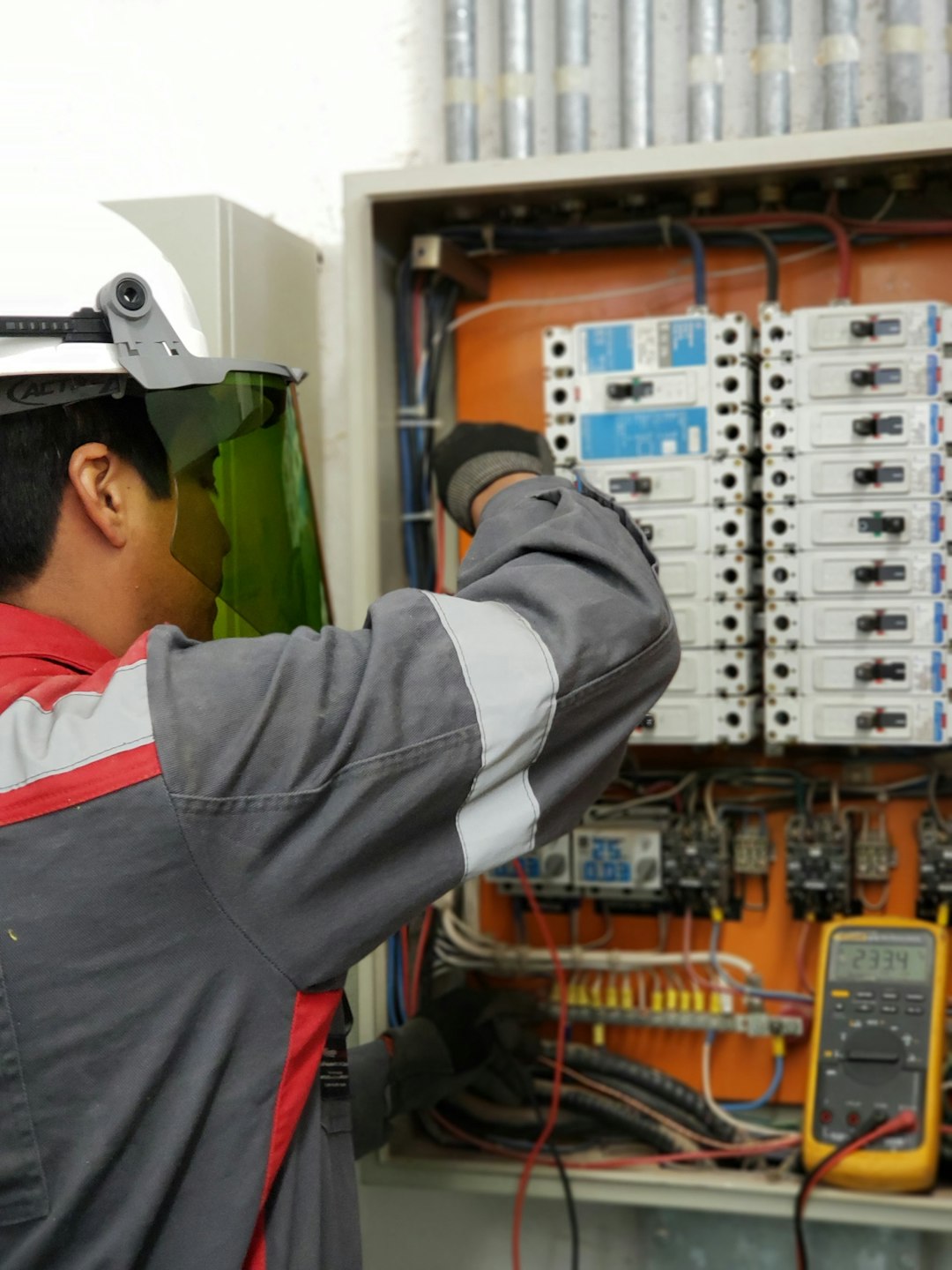
How HVAC Companies Should Choose the Right Platform
The best HVAC software depends on company size, job volume, customer type, and operational complexity. A residential contractor with three technicians may prioritize simple scheduling, text reminders, and fast invoicing. A commercial HVAC company with 40 technicians may need asset tracking, preventive maintenance contracts, detailed reporting, and inventory controls.
Decision makers should compare platforms based on these factors:
- Scheduling and dispatching: The calendar should make it easy to assign, move, and prioritize jobs.
- Mobile technician tools: Field teams should access job notes, forms, photos, estimates, and payment options.
- Customer communication: Automated reminders, arrival alerts, and follow-ups can reduce no-shows.
- Estimating and invoicing: The system should help convert service calls into approved work quickly.
- Reporting: Managers should be able to track revenue, technician performance, marketing sources, and job profitability.
- Integrations: Accounting, payment processing, phone systems, and marketing tools should connect smoothly.
HVAC companies should also review onboarding, support quality, contract terms, and total cost. A lower monthly subscription may not be the best value if it lacks essential dispatching or reporting tools. Likewise, a premium system may pay for itself when it improves booking rates, reduces administrative labor, and helps technicians close more work in the field.
FAQ
What is HVAC software?
HVAC software is a digital platform that helps heating, ventilation, and air conditioning companies manage scheduling, dispatching, estimates, invoices, customer records, technician communication, and service history.
Which HVAC software is best for small businesses?
Housecall Pro, Jobber, FieldPulse, and Service Fusion are often strong choices for small HVAC companies because they are practical, user-friendly, and focused on core service workflows.
Which platform is best for larger HVAC companies?
ServiceTitan, Simpro, and ServiceTrade are commonly better suited for larger or more complex HVAC operations, especially those needing advanced analytics, commercial service tools, or asset management.
Does HVAC software help reduce missed appointments?
Yes. Automated reminders, technician tracking, customer notifications, and organized dispatching can reduce missed appointments and improve arrival accuracy.
Should HVAC software include mobile access?
Mobile access is essential for most HVAC companies. Technicians need job details, customer history, forms, photos, estimates, and payment tools while working in the field.
How should a company compare HVAC software pricing?
Pricing should be evaluated against total value, not just monthly cost. Companies should consider user limits, onboarding fees, included features, integrations, support, and the potential savings from improved efficiency.

