
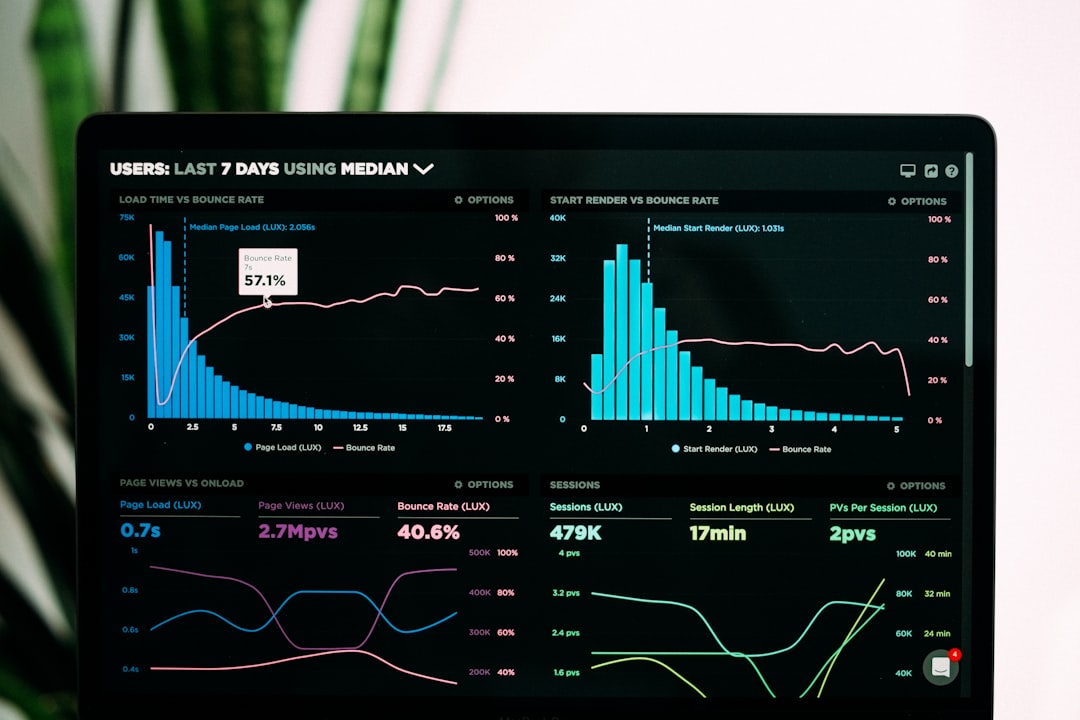
Modern businesses no longer treat data management as a back-office function. In 2026, it is the foundation for AI readiness, real-time decision-making, compliance, customer personalization, and cost control. The best data management platforms now combine storage, governance, integration, analytics, automation, and security into ecosystems that help teams turn fragmented data into trustworthy business intelligence.
TLDR: The best data management software platforms for 2026 help companies unify data, improve governance, and prepare for AI-driven workflows. For example, a retail company with 2 million monthly transactions could use a cloud data platform to reduce reporting time from 12 hours to under 30 minutes while improving inventory forecasting accuracy by 15%. Top options include Snowflake, Databricks, Microsoft Fabric, Google BigQuery, Informatica, and several others depending on your business size, cloud strategy, and compliance needs.
Contents
- 1 What Makes a Great Data Management Platform in 2026?
- 2 1. Snowflake
- 3 2. Databricks Data Intelligence Platform
- 4 3. Microsoft Fabric
- 5 4. Google BigQuery
- 6 5. Amazon Redshift
- 7 6. Informatica Intelligent Data Management Cloud
- 8 7. Oracle Autonomous Database
- 9 8. Collibra Data Intelligence Platform
- 10 9. Qlik Talend Cloud
- 11 How to Choose the Right Platform
- 12 Final Thoughts
What Makes a Great Data Management Platform in 2026?
A strong data management platform should do more than store information. It should help teams collect, clean, catalog, secure, analyze, and activate data across departments. As organizations adopt generative AI and automation, the quality of their underlying data becomes even more important. Poorly governed data can lead to inaccurate insights, compliance risks, and expensive infrastructure waste.
The best platforms in 2026 typically offer cloud scalability, built-in governance, AI-assisted workflows, real-time processing, strong API support, and compatibility with business intelligence tools. Below are nine standout platforms modern businesses should consider.
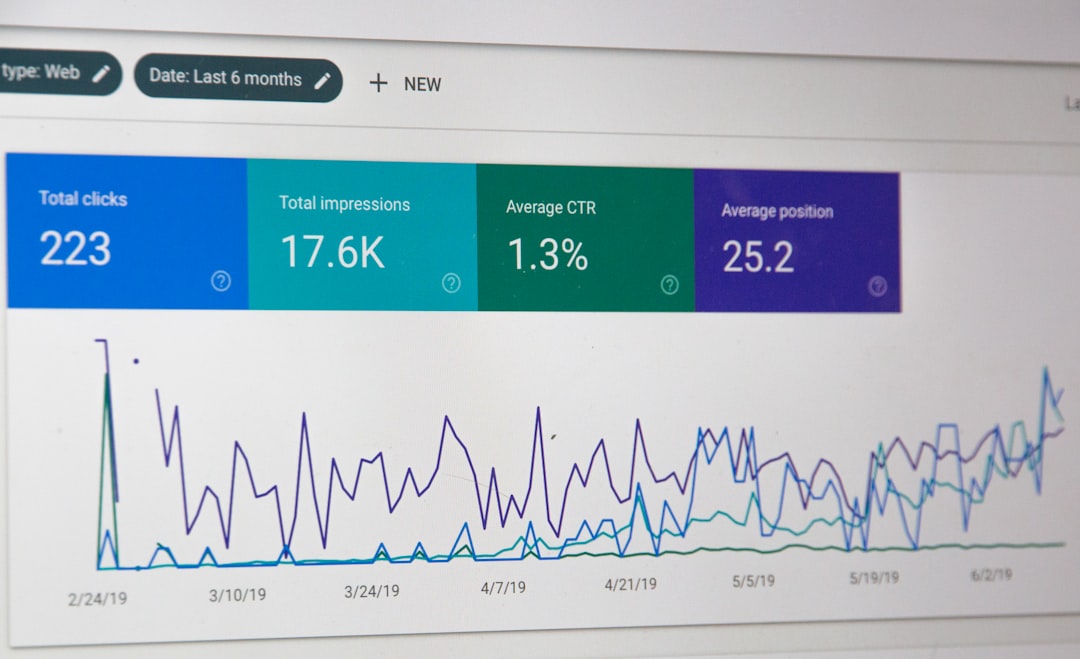
1. Snowflake
Snowflake remains one of the leading cloud data platforms for businesses that need scalable storage, analytics, and data sharing. Its architecture separates storage and compute, allowing teams to scale workloads efficiently without overpaying for unused capacity.
Snowflake is especially strong for organizations that manage large data warehouses, share data with partners, or need reliable analytics across multiple departments. Its marketplace, governance features, and support for semi-structured data make it a flexible choice for finance, retail, healthcare, and technology companies.
Best for: Cloud data warehousing, analytics, data sharing, and scalable enterprise reporting.
2. Databricks Data Intelligence Platform
Databricks is a top choice for businesses focused on AI, machine learning, and advanced analytics. Built around the lakehouse architecture, it combines the flexibility of data lakes with the reliability and performance of data warehouses.
In 2026, Databricks is particularly valuable for organizations building predictive models, recommendation engines, fraud detection systems, or generative AI applications. Its strong support for Apache Spark, notebooks, machine learning workflows, and unified governance makes it attractive to both data engineers and data scientists.
Best for: AI initiatives, machine learning, data science, and lakehouse environments.
3. Microsoft Fabric
Microsoft Fabric brings together data engineering, data warehousing, real-time analytics, data science, and business intelligence in one integrated platform. Its biggest advantage is its connection to the Microsoft ecosystem, including Power BI, Azure, Microsoft 365, and Copilot-powered workflows.
For companies already using Microsoft tools, Fabric can reduce complexity by centralizing analytics and reporting in a familiar environment. It is especially useful for teams that want to connect operational data with executive dashboards and collaborative workflows.
Best for: Microsoft-centric organizations, business intelligence, and unified analytics.
4. Google BigQuery
Google BigQuery is a serverless data warehouse designed for speed, scale, and simplicity. Businesses can run large analytical queries without managing infrastructure, making it appealing to teams that want high performance with less administrative overhead.
BigQuery integrates well with Google Cloud services, Looker, Google Analytics, and AI tools. It is a strong option for digital businesses, marketing teams, media companies, and organizations that need fast analytics on massive datasets.
Best for: Serverless analytics, marketing data, web analytics, and large-scale querying.
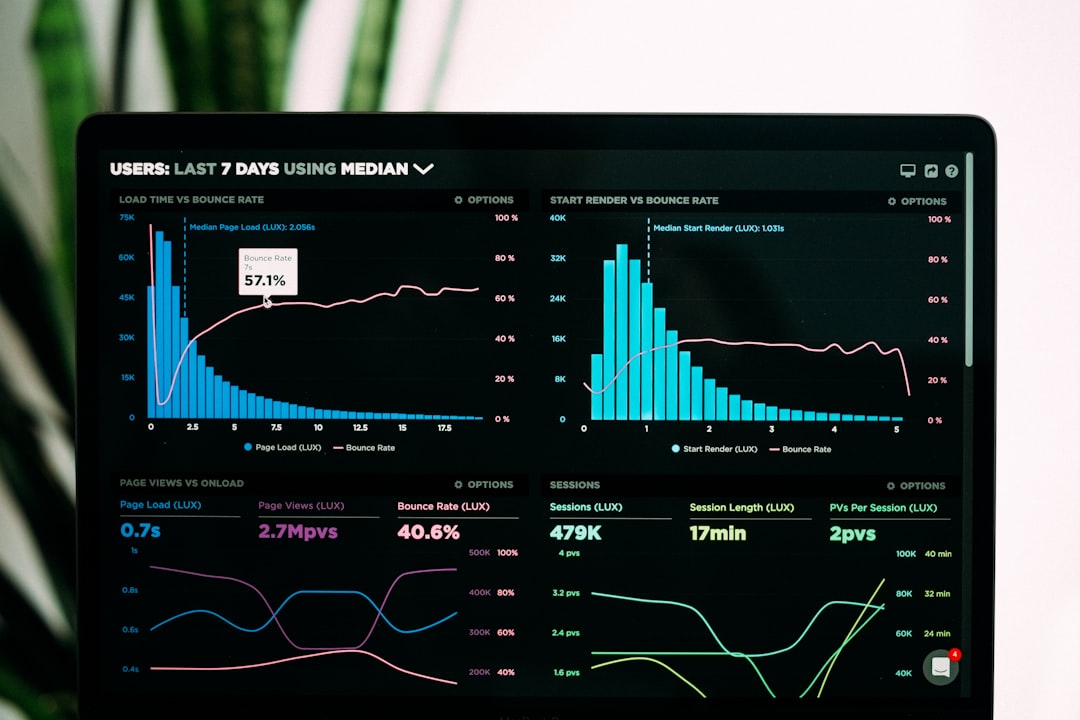
5. Amazon Redshift
Amazon Redshift is a mature cloud data warehouse that fits naturally into the AWS ecosystem. It supports high-performance analytics, integration with data lakes, and workload scaling for businesses already invested in Amazon Web Services.
Redshift is often used by enterprises that need reliable reporting, operational analytics, and integration with tools like Amazon S3, AWS Glue, SageMaker, and QuickSight. Its serverless option also helps teams start smaller and scale as demand grows.
Best for: AWS users, enterprise analytics, and cloud data warehousing.
6. Informatica Intelligent Data Management Cloud
Informatica Intelligent Data Management Cloud, often called IDMC, is a powerful choice for organizations that prioritize data integration, governance, quality, and privacy. It helps businesses connect data across cloud, on-premise, and hybrid systems.
Informatica stands out for complex enterprise environments where data comes from many applications, databases, and regions. Its automation and metadata-driven capabilities can help reduce manual data preparation and improve trust in business reports.
Best for: Data governance, integration, quality management, and enterprise compliance.
7. Oracle Autonomous Database
Oracle Autonomous Database is designed for businesses that need performance, automation, and strong database management features. It uses machine learning to automate tuning, patching, scaling, and backups, reducing administrative workload for IT teams.
Oracle is especially relevant for companies already using Oracle applications or managing mission-critical workloads. It is well suited to finance, manufacturing, logistics, and enterprise resource planning environments where reliability and security are essential.
Best for: Enterprise databases, automated administration, and mission-critical operations.
8. Collibra Data Intelligence Platform
Collibra focuses heavily on data governance, cataloging, lineage, privacy, and business context. While it is not a traditional database or warehouse, it plays an important role in helping organizations understand what data they have, where it comes from, who owns it, and whether it can be trusted.
As data privacy regulations expand, Collibra is valuable for companies that need accountability across departments. It helps business users and technical teams speak the same language by creating a governed data catalog.
Best for: Data governance, cataloging, lineage, privacy, and compliance programs.
9. Qlik Talend Cloud
Qlik Talend Cloud combines data integration, data quality, transformation, and analytics capabilities. It is useful for businesses that need to move data between systems, prepare it for analysis, and ensure accuracy before it reaches dashboards or applications.
Its strengths include data pipelines, automation, and support for hybrid environments. Organizations with multiple SaaS tools, legacy databases, and cloud systems can use Qlik Talend Cloud to create cleaner and more consistent data flows.
Best for: Data integration, pipeline automation, data quality, and hybrid data environments.
How to Choose the Right Platform
The right data management software depends on your goals, technical maturity, and existing systems. A startup may prioritize speed and simplicity, while a global enterprise may need strict governance, role-based access, and multi-cloud support.
- For AI and machine learning: Consider Databricks or Snowflake.
- For Microsoft-heavy teams: Microsoft Fabric is a natural fit.
- For Google Cloud users: BigQuery offers excellent scalability and simplicity.
- For AWS environments: Amazon Redshift integrates deeply with the AWS stack.
- For governance and compliance: Collibra and Informatica are strong options.
- For complex data pipelines: Qlik Talend Cloud can simplify integration and quality control.
Final Thoughts
In 2026, data management is not just about storing information; it is about making data usable, secure, governed, and intelligent. The best platform should reduce silos, improve trust, and support both everyday reporting and future AI initiatives.
For many businesses, the winning strategy may involve more than one tool: a warehouse like Snowflake or BigQuery, a governance layer like Collibra, and an integration platform like Informatica or Qlik Talend Cloud. The key is to build a data foundation that supports better decisions today while preparing your organization for the next wave of automation and AI-driven growth.

