
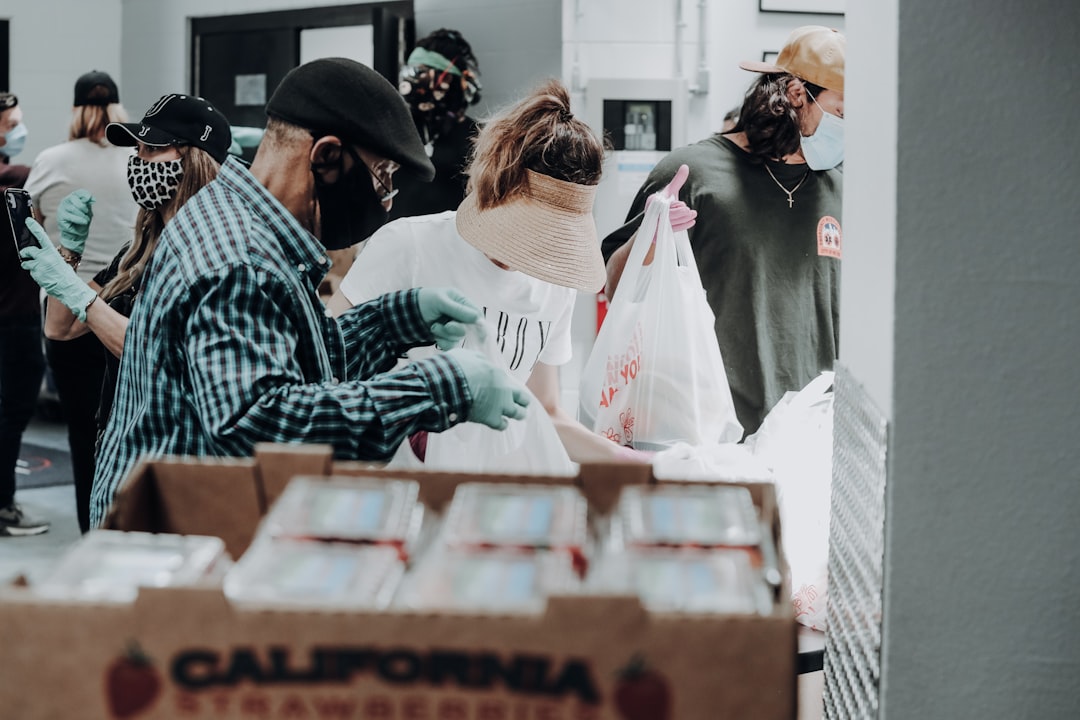
Nonprofit organizations exist to serve public, social, environmental, educational, or humanitarian missions rather than to generate profit for owners. They may support disaster survivors, protect wildlife, expand access to healthcare, or create learning opportunities for communities. The following examples show how diverse the nonprofit sector can be and how each organization turns donations, volunteers, and partnerships into measurable impact.
TLDR: Nonprofits address urgent needs such as hunger, health, housing, education, and human rights through mission-driven programs. For example, Feeding America works with a nationwide network of food banks to help provide billions of meals each year. In a typical user scenario, a family facing job loss may receive groceries from a local food pantry connected to a national nonprofit network, reducing immediate financial pressure. Since many nonprofits rely heavily on public support, even small recurring donations can help scale services across communities.
Contents
15 Nonprofit Organization Examples and What They Do
These nonprofit organization examples represent different mission areas, from emergency response to conservation. While their structures and funding models vary, each one focuses on serving people, communities, or the planet.
-
American Red Cross provides emergency assistance, disaster relief, blood donation services, and preparedness education. It is widely known for responding to hurricanes, wildfires, floods, and other crises. The organization also trains individuals in first aid, CPR, and emergency safety.
-
Doctors Without Borders, also known as Médecins Sans Frontières, delivers medical care in conflict zones, disaster areas, and regions affected by epidemics. Its teams often work where healthcare systems are damaged, limited, or inaccessible. Services may include surgery, vaccination, maternal care, and treatment for infectious diseases.
-
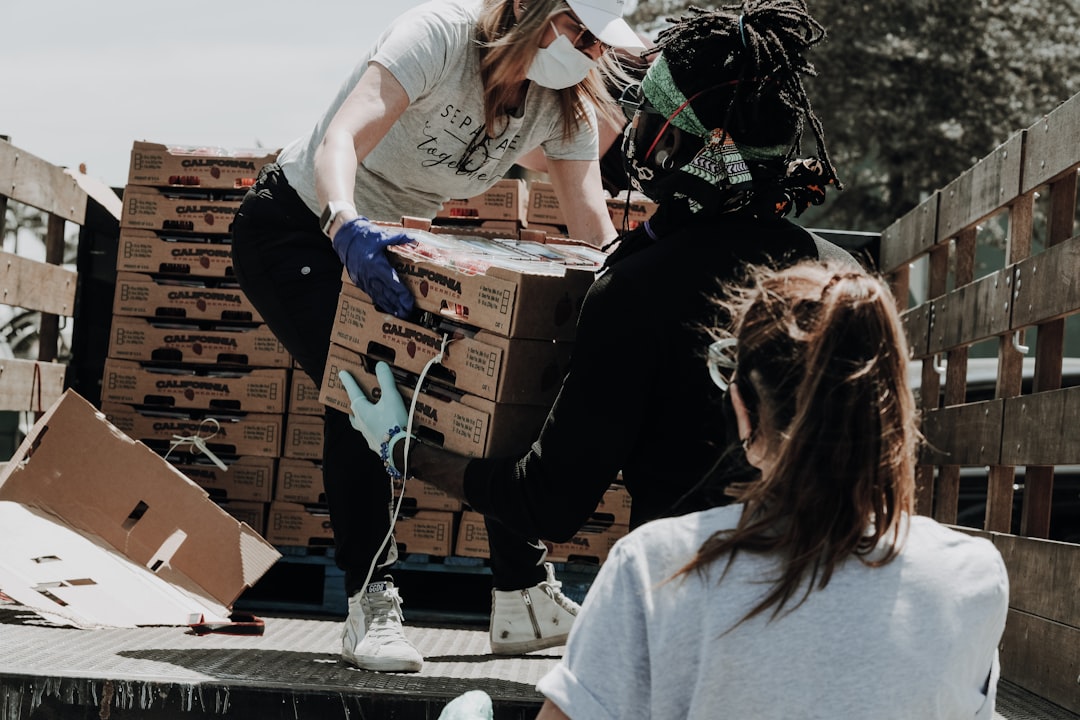
Feeding America operates as a major hunger-relief network in the United States. It supports food banks, pantries, meal programs, and community partners. The organization helps redirect food to people facing hunger while also advocating for policies that improve food security.
-
Habitat for Humanity helps families build, improve, or repair homes. The organization often works through volunteer labor, affordable mortgages, and community partnerships. Its mission centers on the belief that safe and stable housing can create long-term opportunities for families.
-
UNICEF supports children around the world through health, nutrition, education, clean water, and emergency protection programs. It works in both long-term development and crisis response settings. UNICEF is especially active in areas affected by poverty, conflict, disease outbreaks, and natural disasters.
-
World Wildlife Fund focuses on wildlife conservation, habitat protection, climate action, and sustainable resource use. It works with governments, communities, scientists, and businesses to protect endangered species and ecosystems. Its efforts include forest conservation, ocean protection, and reducing threats to biodiversity.
-
Charity: Water funds clean water projects in communities that lack reliable access to safe drinking water. The organization supports wells, filtration systems, rainwater harvesting, and maintenance programs. Its work highlights how clean water can improve health, school attendance, and economic opportunity.
-
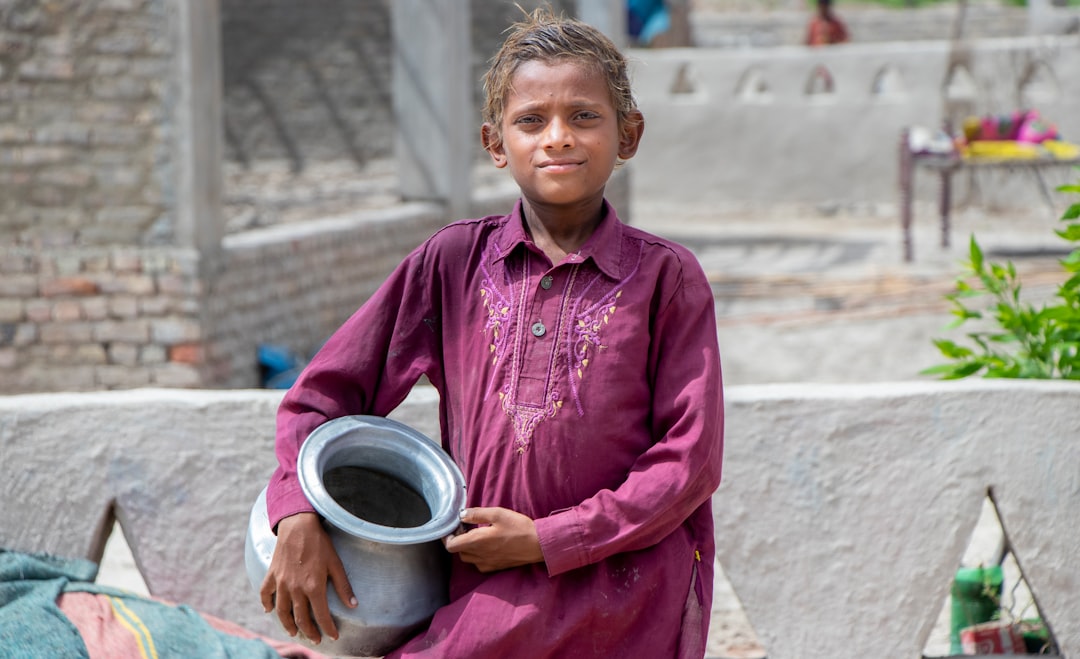
Save the Children works to improve the lives of children through education, healthcare, emergency response, and child protection. It operates in many countries and supports children affected by poverty, war, displacement, and disasters. The organization also advocates for children’s rights and stronger social support systems.
-
Make-A-Wish Foundation grants life-changing wishes to children with critical illnesses. A wish may involve meeting a hero, visiting a special place, receiving a meaningful gift, or experiencing a memorable event. The organization aims to bring hope, strength, and joy during difficult medical journeys.
-
Goodwill Industries International supports job training, employment placement, and community-based services. Many people recognize Goodwill through its thrift stores, but the revenue from donated goods helps fund workforce development programs. These services often support people facing barriers to employment.
-
The Nature Conservancy protects land, water, and natural habitats through science-based conservation. It works on issues such as climate resilience, freshwater protection, sustainable agriculture, and marine conservation. The organization often partners with local communities to preserve ecosystems while supporting livelihoods.
-
International Rescue Committee helps people affected by conflict, persecution, and disaster. It provides emergency aid, resettlement support, healthcare, education, and economic assistance. The organization serves refugees, displaced families, and communities recovering from crisis.
-
Khan Academy provides free online educational resources for students, teachers, and families. Its lessons cover subjects such as math, science, economics, reading, and test preparation. The nonprofit model allows learners around the world to access instructional videos, practice exercises, and personalized learning tools without cost.

-
Planned Parenthood provides reproductive healthcare, health education, and related medical services. Its work includes screenings, contraception, wellness exams, and patient education. The organization also participates in advocacy around healthcare access and reproductive rights.
-
Amnesty International focuses on human rights advocacy and research. It investigates abuses, campaigns for prisoners of conscience, supports freedom of expression, and pushes governments to meet human rights standards. Its campaigns often rely on public pressure, petitions, reports, and global awareness efforts.
What These Nonprofits Have in Common
Although these organizations work in different fields, they share several core traits. They define a clear mission, measure impact, seek public trust, and reinvest resources into programs rather than distributing profits. Many also depend on a mix of donations, grants, volunteers, corporate partnerships, and public awareness campaigns.
Another common feature is accountability. Effective nonprofits often publish annual reports, financial statements, impact metrics, or program updates. This helps donors, volunteers, and communities understand how resources are used and what outcomes are being achieved.
FAQ
What is a nonprofit organization?
A nonprofit organization is an entity created to serve a mission, cause, or public benefit rather than to generate profit for private owners. Any surplus funds are typically reinvested into programs, operations, or future services.
Are all nonprofits charities?
No. Many nonprofits are charities, but the nonprofit sector also includes educational groups, advocacy organizations, trade associations, foundations, religious institutions, and social service agencies. Their legal status and tax treatment can vary by country.
How do nonprofits make money?
Nonprofits may receive funding through individual donations, grants, membership fees, events, corporate sponsorships, government contracts, and earned income. For example, a nonprofit thrift store may sell donated goods to fund job training programs.
How can someone evaluate a nonprofit before donating?
A donor can review the organization’s mission, financial reports, program outcomes, leadership, transparency, and independent ratings when available. Strong nonprofits usually explain how donations are used and provide evidence of impact.
Why are nonprofit organizations important?
Nonprofits fill critical gaps in society by addressing needs that governments and businesses may not fully meet. They can respond quickly to crises, support vulnerable populations, protect the environment, and create opportunities for long-term community improvement.

