
Choosing a 3D printing service is rarely just a matter of comparing prices. For engineers, product teams, startups, and procurement departments, the better question is: which provider reduces risk while delivering the right parts on time? Protolabs is one of the most recognized names in digital manufacturing, but it competes with a growing field of services such as Xometry, Shapeways, Sculpteo, Hubs, Materialise, Fictiv, and many specialized local bureaus. The best choice depends on whether you need rapid prototypes, production-quality parts, engineering support, unusual materials, or the lowest possible unit cost.
TLDR: Protolabs is often the better choice when speed, process reliability, and manufacturing consistency matter most. Other 3D printing services may be better if you need broader supplier networks, lower prices, niche materials, or consumer-oriented creative printing. For professional engineering and rapid product development, Protolabs is a strong and trustworthy option, but it is not automatically the best fit for every project.
Contents
- 1 Understanding What Protolabs Offers
- 2 How Other 3D Printing Services Compare
- 3 Speed and Lead Time
- 4 Quality, Consistency, and Repeatability
- 5 Material and Technology Selection
- 6 Pricing and Value
- 7 Design Feedback and Manufacturability
- 8 Customer Support and Professional Use
- 9 Best Use Cases for Protolabs
- 10 When Other 3D Printing Services May Be Better
- 11 Final Verdict: Which One Is Better?
Understanding What Protolabs Offers
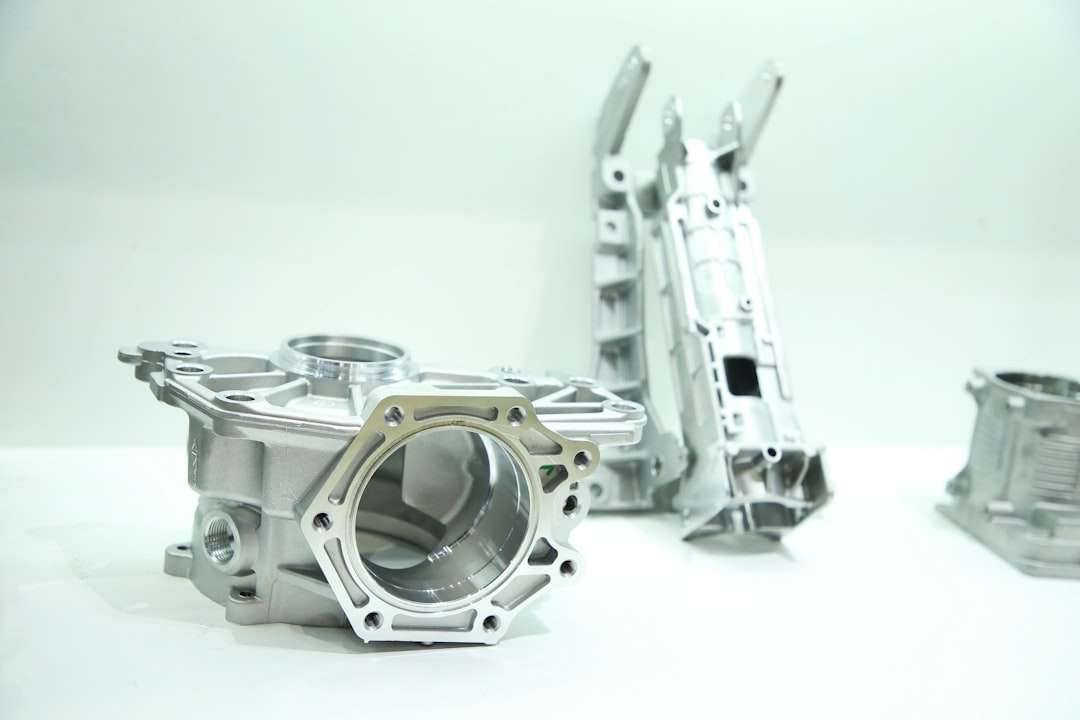
Protolabs is a digital manufacturing company known for fast quoting, automated design analysis, and quick turnaround across several manufacturing processes, including 3D printing, CNC machining, sheet metal fabrication, and injection molding. Its 3D printing services focus heavily on industrial and engineering applications rather than hobbyist or decorative models.
The company supports major additive manufacturing technologies such as stereolithography, selective laser sintering, Multi Jet Fusion, direct metal laser sintering, and other industrial processes depending on region and availability. This makes Protolabs especially attractive to teams that need functional prototypes, fit-check models, low-volume end-use parts, or bridge production before tooling is ready.
One of Protolabs’ strongest advantages is its digital workflow. Uploading a CAD file typically produces fast feedback on manufacturability, pricing, lead time, and potential design concerns. For companies working under tight schedules, that immediacy can be valuable. Instead of waiting days for a manual quote, teams can often make decisions quickly and move forward with fewer delays.
How Other 3D Printing Services Compare
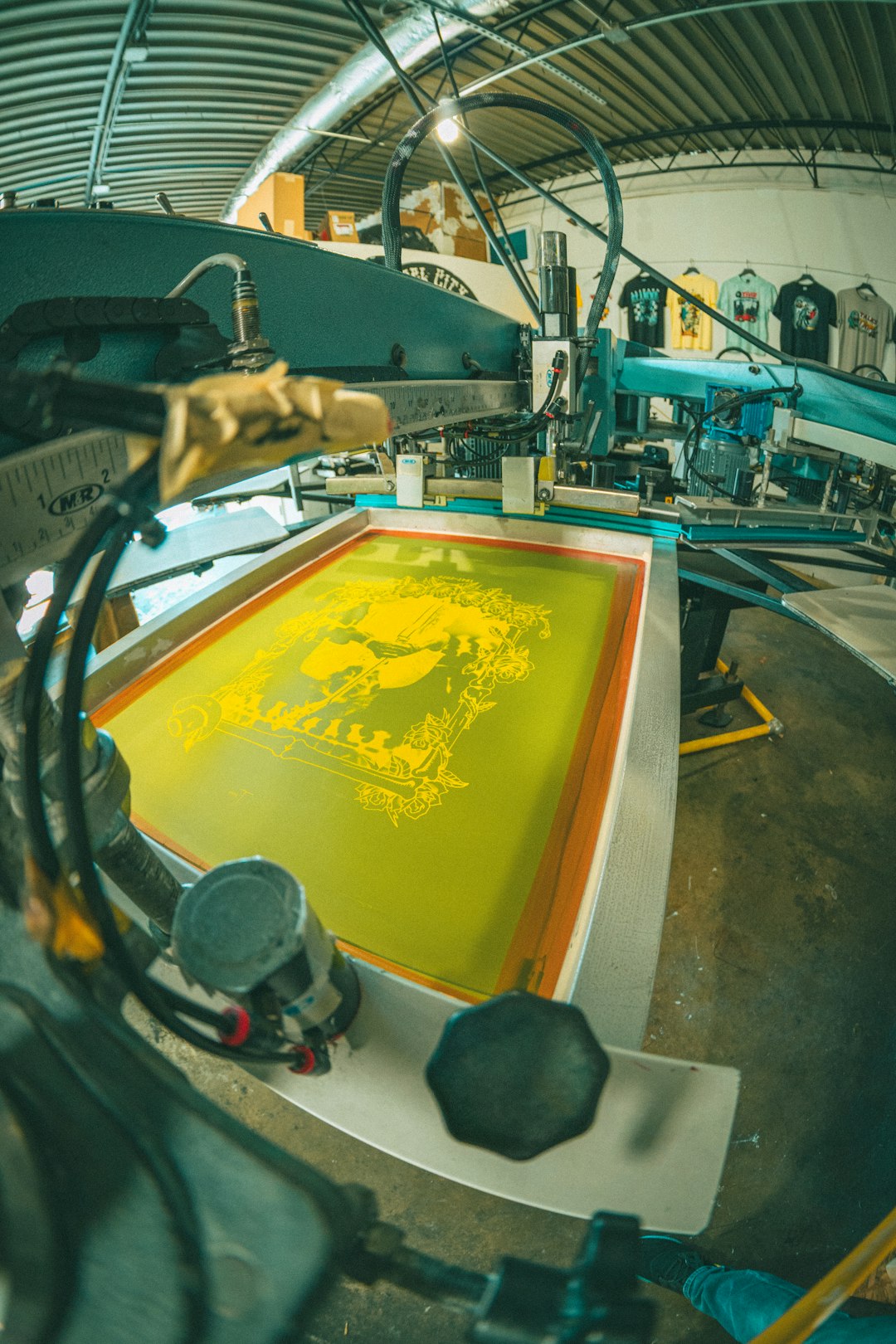
The phrase “other 3D printing services” covers a wide spectrum. Some competitors operate large internal factories. Others function as manufacturing marketplaces, routing orders to a distributed network of suppliers. Some specialize in metals, medical applications, architectural models, miniatures, or consumer products. Because of this variety, the comparison is not one company versus another; it is more accurately Protolabs versus several different service models.
For example, Xometry and Hubs are often considered strong alternatives because they provide instant quoting and access to a wide supplier network. Shapeways and Sculpteo are known for accessible online ordering and a history of serving designers, artists, and small businesses. Materialise is respected for advanced additive manufacturing expertise, particularly in regulated and technically demanding industries. Fictiv positions itself as a platform for vetted manufacturing partners and supply chain management.
These services may offer more flexibility in certain cases. A marketplace model can sometimes produce lower pricing because suppliers compete for jobs. It may also offer access to more machines, more geographic locations, and a wider range of finishes. However, that same model can introduce variability. Parts produced by different suppliers may not always have the same look, feel, tolerance behavior, or documentation standards.
Speed and Lead Time
Speed is one of Protolabs’ clearest strengths. The company built its reputation around fast manufacturing, and many customers choose it specifically because they need parts quickly. For prototyping cycles, design reviews, and urgent engineering validation, fast turnaround can be more important than saving a small percentage on cost.
That said, other services have become much faster over time. Xometry, Hubs, and Fictiv can also provide expedited options, and local service bureaus may deliver very quickly if they have idle machine capacity. The difference is that Protolabs’ process tends to be highly standardized. When a project fits within its supported materials, sizes, tolerances, and finishes, the workflow can be remarkably efficient.
Verdict on speed: Protolabs is often better for predictable fast turnaround, especially for professional engineering jobs. Other services may match or beat it in specific situations, particularly when a local supplier has available capacity.
Quality, Consistency, and Repeatability
Quality in 3D printing is not only about whether a part looks good. It also includes dimensional accuracy, surface finish consistency, mechanical properties, documentation, packing, communication, and whether a second order matches the first. This is where the service model matters.
Protolabs generally performs well in consistency because it relies on controlled internal processes and clearly defined manufacturing standards. For buyers ordering functional prototypes or short production runs, this can reduce uncertainty. If a company is making decisions based on test results, it needs confidence that the printed part reflects the design and material process, not random supplier differences.
Marketplace-based services can also deliver excellent quality, especially when they use vetted suppliers. However, results may vary depending on the network partner assigned to the job. For non-critical applications, this may not matter. For engineering validation, fixtures, functional housings, or customer-facing parts, consistency becomes more important.
- Protolabs: strong process control, predictable quality, industrial focus.
- Marketplace services: potentially broader capacity, but quality may depend on supplier selection.
- Specialist bureaus: excellent for niche needs, but may have longer communication cycles.
Material and Technology Selection
Protolabs offers a strong range of industrial 3D printing materials, including engineering plastics and metals. For many product development teams, its catalog is more than sufficient. Common applications include prototypes, ducts, brackets, housings, clips, medical device models, jigs, fixtures, and low-volume production components.
However, other providers may offer a broader or more unusual selection. Some services support ceramics, precious metals, full-color sandstone-like materials, flexible aesthetic materials, bio-compatible options, or highly specialized post-processing. If your project requires a rare material or finishing method, a different provider may be a better fit.
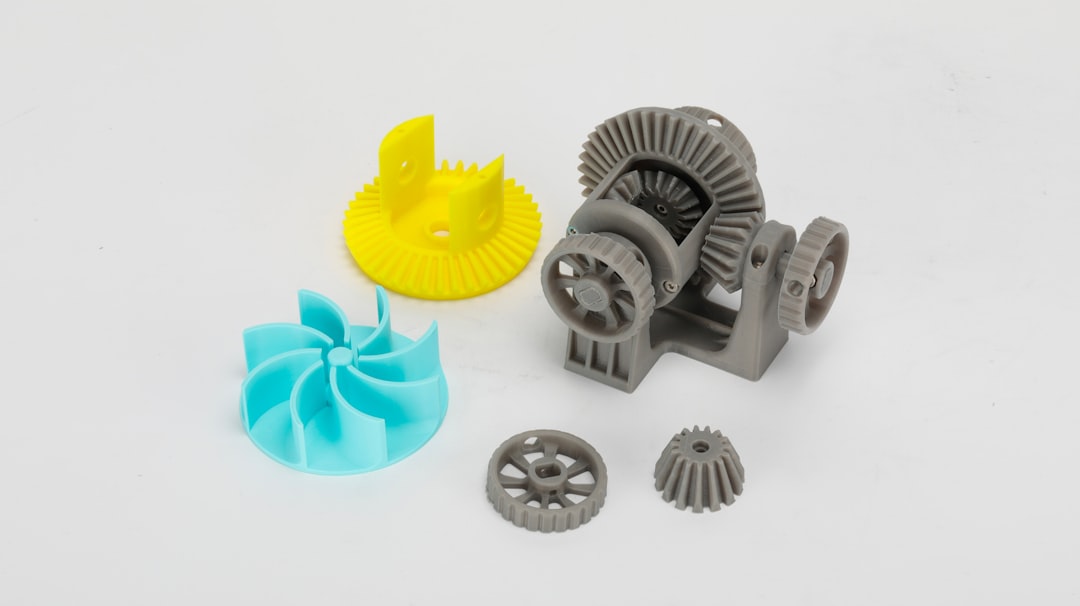
This is one reason the “best” service depends heavily on the application. A serious engineering team may prefer Protolabs for nylon functional prototypes, while a jewelry designer may prefer a provider with better precious metal casting workflows. A medical device firm may look for providers with documented quality systems, while an architect may prioritize large-format visual models.
Pricing and Value
Protolabs is not usually known as the cheapest option. Its value proposition is based on speed, reliability, manufacturability feedback, and professional service. For many businesses, that is worth paying for. If a fast prototype helps avoid a failed design review or accelerates a product launch, the higher part cost may be minor compared with the overall project value.
Other 3D printing services may be more competitive on price, especially for simple geometries, non-urgent jobs, or larger quantity orders. Marketplace services can produce attractive quotes because they draw from multiple suppliers. Local print shops may also be cost-effective for basic prototypes, especially if documentation and strict repeatability are not required.
The key is to compare total cost, not just quoted price. A cheaper part that arrives late, fails inspection, or requires reordering can become expensive. Conversely, paying premium prices for a non-critical visual model may be unnecessary. The best financial decision depends on the risk profile of the part.
Design Feedback and Manufacturability
One of Protolabs’ strongest professional features is automated design for manufacturability feedback. This can help users identify wall thickness concerns, feature limitations, unsupported geometries, and other issues before production. For engineers, this saves time and helps avoid preventable failures.
Some competing platforms also provide automated feedback, although the depth and usefulness vary. In some cases, human review from a specialist bureau can be more valuable than automation, especially for complex assemblies or highly regulated applications. Still, Protolabs’ combination of instant quoting and manufacturability guidance is a major advantage for teams moving quickly.
- Upload the CAD file.
- Review pricing and lead time.
- Check manufacturability warnings.
- Adjust the design if needed.
- Order with greater confidence.
Customer Support and Professional Use
For professional buyers, customer support is not just about friendliness. It includes technical competence, responsiveness, documentation, and the ability to resolve production concerns. Protolabs generally serves engineering and business customers well, particularly those who understand CAD, tolerances, and manufacturing constraints.
Other services vary widely. Some platforms are highly polished and responsive, while others rely heavily on automated workflows. Smaller local bureaus may provide more personal consultation, but they may not have the same capacity or speed. Large marketplace platforms may offer convenience, but communication can become more complex if the job is handled by an external manufacturing partner.
If your project requires significant back-and-forth engineering discussion, a specialist bureau may sometimes outperform a fully digital workflow. If your project is well-defined and time-sensitive, Protolabs’ streamlined system can be more efficient.
Best Use Cases for Protolabs
Protolabs is particularly strong in situations where speed and reliability are central to the decision. It is well suited for companies that need parts for design validation, investor demos, internal testing, pilot builds, and early market trials. It is also helpful when teams may eventually transition from 3D printing to CNC machining or injection molding, because Protolabs offers several manufacturing routes under one roof.
- Rapid engineering prototypes with tight development timelines.
- Functional plastic parts for testing fit, form, and performance.
- Metal printed components for advanced industrial applications.
- Bridge production before tooling or mass production is ready.
- Projects requiring repeatability and a structured digital process.
When Other 3D Printing Services May Be Better
Other services may be better if cost is the main priority, if the part is not urgent, or if you need materials and finishes outside Protolabs’ standard offering. Creative professionals, miniatures designers, artists, and consumer product sellers may find platforms like Shapeways or similar services more aligned with their needs. Companies seeking large-scale supplier flexibility may prefer marketplace platforms.
In some cases, a local 3D printing bureau is the better option. Local providers can offer direct communication, in-person review, and practical advice based on the machines they operate. For universities, small businesses, architectural firms, and design studios, that relationship can be valuable.

Final Verdict: Which One Is Better?
Protolabs is better for professional users who value speed, consistency, and a highly structured manufacturing process. It is a serious choice for engineering teams, product developers, and businesses that need reliable prototypes or low-volume parts without unnecessary delays. Its digital quoting, manufacturability feedback, and industrial production capabilities make it one of the strongest providers in the market.
However, Protolabs is not always the best option. Other 3D printing services may offer lower prices, unusual materials, more decorative finishes, or more flexible supplier options. If your part is simple, your deadline is relaxed, or your main goal is cost reduction, it is worth comparing quotes from multiple providers.
The most practical approach is to match the provider to the job. Use Protolabs when failure, delay, or inconsistency would be costly. Consider alternatives when budget, specialty materials, creative finishes, or supplier flexibility matter more. In that sense, the answer is not that one service is universally better; the better service is the one that fits your technical requirements, risk tolerance, timeline, and budget.

