

Programmatic content works when it turns reliable data into genuinely useful pages, not when it mass-produces thin search results with a few words swapped out. It can scale SEO well for marketplaces, SaaS directories, travel sites, finance tools, local service networks, and ecommerce catalogs. It also creates serious risk when the pages have weak intent matching, repeated copy, unchecked AI output, or no reason to exist.
TLDR: Programmatic SEO succeeds when each page has unique data, clear user value, and quality controls before publishing. For example, a property platform could create 8,000 city and neighborhood pages using verified rent data, school ratings, commute times, and inventory trends; if the top 1,500 pages drive 72% of organic leads, expansion should follow demand, not volume. The danger appears when teams publish 50,000 near-identical pages and expect Google to sort out the mess. That usually ends in index bloat, weak rankings, and painful cleanup work.
Contents
- 1 What programmatic content actually is
- 2 Where automated SEO content can scale successfully
- 3 The quality standard: unique value per URL
- 4 Where the risk starts
- 5 When AI helps, and when it should stay limited
- 6 A practical framework before publishing
- 7 Metrics that separate scale from noise
- 8 How to reduce risk without killing scale
What programmatic content actually is
Programmatic content is the process of creating many pages from structured data, templates, rules, and automation. It is not just “AI writing at scale.” Good programmatic SEO starts with a repeatable user need, then builds pages that answer that need better than a generic article could.
A simple example is a travel site creating pages for “best hotels near [landmark]” or “flights from [city] to [city].” A poor version lists scraped facts and generic paragraphs. A strong version includes current availability, prices, distance, reviews, filters, maps, and clear booking paths.
The format is scalable. The value still has to be earned.

Where automated SEO content can scale successfully
Programmatic content works best when search demand is large, structured, and repetitive. The user intent should be predictable, but the answer should change based on the page topic.
- Local pages: “plumber in Austin,” “storage units in Queens,” or “tax advisor in Bristol.” These can work if each page includes real locations, service areas, reviews, pricing ranges, and local proof.
- Comparison pages: “software A vs software B” or “best CRM for law firms.” These need current product data, decision criteria, and transparent scoring.
- Marketplace inventory: Cars, homes, jobs, rentals, courses, clinics, and events. The best pages pull from live supply and show useful filters.
- Data-led reference pages: Salary benchmarks, mortgage rates, cost calculators, tax rules, ingredient databases, and public statistics.
- Ecommerce category variants: Size, color, material, compatibility, use case, and price range pages, as long as demand and stock support them.
The common thread is simple. Each page must contain information that could not be copied across hundreds of other pages without becoming useless.
The quality standard: unique value per URL
Search engines do not reward scale by itself. They reward pages that answer queries well. A programmatic page should pass a basic human test: if the template text vanished, would the page still be useful?
Strong pages often include:
- Verified data: Prices, locations, inventory, ratings, dates, measurements, availability, or statistics.
- Helpful structure: Tables, filters, summaries, FAQs, comparison blocks, and clear calls to action.
- Original insight: Trends, rankings, editorial notes, expert checks, or aggregated user behavior.
- Freshness signals: Update dates, source notes, and automated checks for outdated entries.
- Internal links: Paths to related pages, parent categories, and narrower or broader search options.
Honestly, it feels like some teams expect a template with three variable fields to carry an entire SEO program. It will not. Users notice. Search engines notice. Conversion reports notice first.
Where the risk starts
The biggest risk is publishing pages that look different to a database but feel identical to a reader. “Best dentist in city A” and “Best dentist in city B” may be valid pages. But if both contain the same intro, same advice, same stock photo, and no real local data, they are thin pages with different titles.
Common risks include:
- Index bloat: Too many low-value URLs make crawling less efficient and dilute internal signals.
- Keyword cannibalization: Multiple pages target nearly the same query and compete with each other.
- False or outdated claims: AI-generated summaries may invent features, prices, laws, or medical details.
- Compliance exposure: Finance, health, legal, and insurance content needs strict review.
- Weak brand trust: Users lose confidence when they land on a page that reads like filler.
- Maintenance debt: Thousands of pages become hard to update, redirect, merge, or remove.
Expect to waste time on cleanup if governance is skipped. Removing 20,000 poor pages, mapping redirects, and fixing internal links can take longer than building the system properly from the start.
When AI helps, and when it should stay limited
AI can support programmatic content, but it should not be the only source of truth. It is useful for drafting summaries, rewriting plain-language descriptions, grouping FAQs, and adapting tone. It is risky for facts, rankings, recommendations, and regulated advice unless backed by approved sources.
A safer model is to use AI as a layer on top of structured data. For example, a job site may use salary data, required skills, location trends, and hiring volume as the base. AI can then create a short summary. The summary should be constrained by those fields, checked for banned claims, and sampled by editors.
Do not let automation create pages from prompts alone. That is where hallucinations, repetition, and vague copy become normal.
A practical framework before publishing
Use a launch checklist before any programmatic content goes live. It should be strict. Scale magnifies small problems.
- Validate search demand: Group keywords by intent, not just phrase match. Avoid building pages with no clear audience.
- Define the page purpose: Each template needs one primary job, such as compare, book, calculate, browse, or learn.
- Set minimum data rules: Do not publish a page unless it has enough unique fields. For instance, require at least five active listings, three local metrics, or ten verified data points.
- Create noindex rules: Thin, empty, duplicate, or low-demand pages should stay out of the index.
- Review samples manually: Check at least 50 to 100 pages across edge cases before launch.
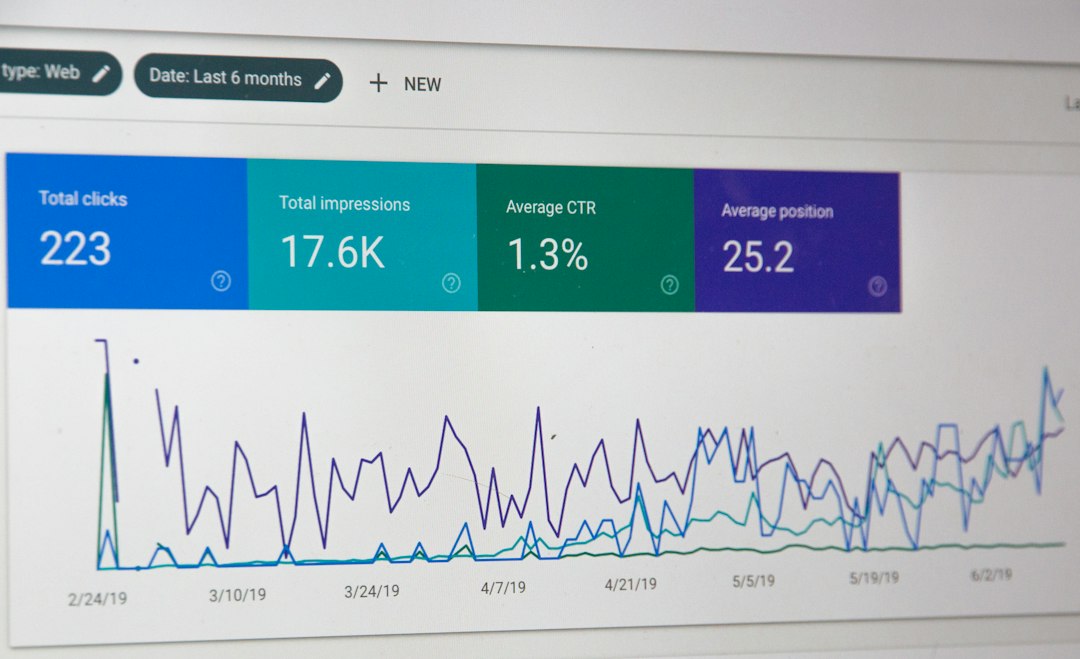
- Monitor after release: Track indexation, impressions, clicks, crawl stats, engagement, conversions, and revenue.
A serious team also sets kill criteria. If a content set gets impressions but less than 0.4% click-through after three months, it may need better titles, stronger data, or consolidation. If pages get traffic but bounce at 90% with no conversions, the template likely missed user intent.
Metrics that separate scale from noise
Traffic alone is not enough. Programmatic SEO should be judged by business value and search quality signals.
- Indexed pages vs submitted pages: A low index rate may show quality issues.
- Organic clicks per page: Many pages with zero clicks can indicate waste.
- Conversion rate by template: Some page types may attract visitors who never act.
- Crawl frequency: Search engines may reduce crawling if many pages are weak.
- Revenue or lead value: Measure output against build and maintenance costs.
One useful benchmark is the “top page concentration” report. If 5% of programmatic URLs generate 80% of organic value, expansion should pause. Improve the winners, merge the weak pages, and refine the rules before adding more URLs.
How to reduce risk without killing scale
The safest approach is controlled publishing. Start with 500 or 1,000 pages, not 100,000. Measure for 60 to 90 days. Then expand in batches based on performance.
Build templates with room for real differentiation. Add local data, product attributes, expert commentary, user reviews, historical trends, and clear next steps. Keep rewrite rules tight. Keep source data clean. Keep editors involved where trust matters.
Programmatic content can be a durable SEO asset when it helps users make decisions faster. It becomes a liability when scale becomes the goal. The right question is not “How many pages can we publish?” The right question is, “How many useful pages can we maintain with confidence?”

