
Page Quality Rating is an important concept in modern SEO because it reflects how well a page serves users, demonstrates trust, and fulfills its purpose. While it is not a single visible metric inside Google Search Console, it is closely connected to the principles search engines use to evaluate useful, reliable, and people-first content.
TLDR: Page Quality Rating refers to the overall assessment of how trustworthy, helpful, and well-built a web page is. It is influenced by content quality, expertise, user experience, reputation, and whether the page satisfies its intended purpose. Although human quality raters do not directly change rankings, their evaluations help search engines improve ranking systems. For SEO, improving page quality means creating content that deserves trust and genuinely helps users.
Contents
What Page Quality Rating Means
Page Quality Rating comes from the framework described in Google’s Search Quality Rater Guidelines. These guidelines are used by human evaluators, known as quality raters, to assess search results and web pages. Their work helps Google test whether its algorithms are returning helpful and reliable results.
It is important to understand that a quality rater does not manually rank your website. A rater cannot look at one of your pages and directly move it higher or lower in search results. Instead, their evaluations provide feedback that helps improve search algorithms over time.
For SEO professionals and website owners, Page Quality Rating is still extremely valuable because it reveals what search engines are trying to reward: pages that are useful, trustworthy, well maintained, and appropriate for the query.
The Core Idea: Every Page Has a Purpose
One of the most serious principles behind Page Quality Rating is that every page should have a clear purpose. A page may exist to inform, sell, entertain, compare products, provide customer support, or allow users to complete a transaction. Quality is judged in relation to that purpose.
For example, a medical article should be accurate, carefully sourced, and written or reviewed by qualified people. A product page should describe the product clearly, include pricing and availability, and make the buying process secure. A local service page should provide trustworthy contact details, service information, and evidence that the business is legitimate.
A page with no clear purpose, or a page created mainly to manipulate search rankings, is unlikely to be considered high quality. In SEO, this means that content should not be produced simply to target keywords. It should answer a real need.
Main Factors That Influence Page Quality
Search quality frameworks consider several signals when evaluating a page. These factors also provide a practical checklist for SEO improvement.
- Helpful main content: The core content of the page should be original, accurate, and substantial enough to satisfy the user’s intent.
- Expertise and experience: The content should show that the creator understands the topic, especially when advice could affect health, finances, safety, or major decisions.
- Trustworthiness: Users should be able to identify who is responsible for the content, the business, or the website.
- Website reputation: Independent signals such as reviews, citations, mentions, and professional recognition can support credibility.
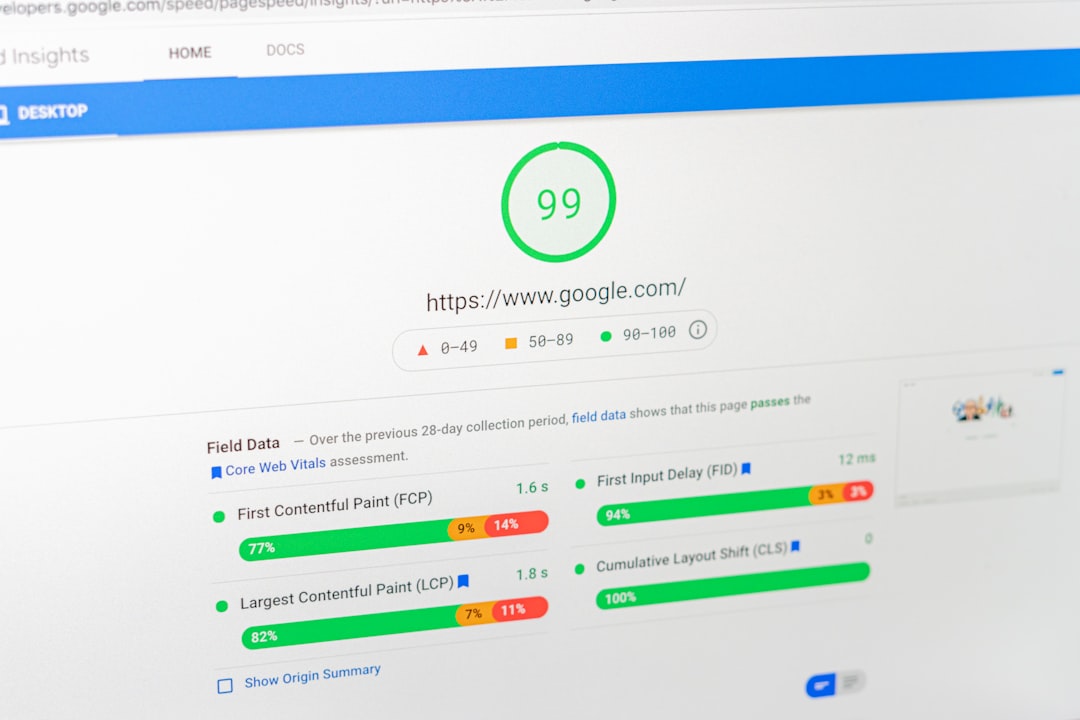
- User experience: Pages should load reliably, be easy to navigate, and avoid intrusive ads or confusing layouts.
- Maintenance: Information should be updated when needed, especially for topics where accuracy changes over time.
E-E-A-T and Its Role in SEO
A major part of Page Quality Rating is E-E-A-T: Experience, Expertise, Authoritativeness, and Trustworthiness. This concept is especially important for pages that deal with what Google calls Your Money or Your Life topics. These include health, finance, legal, safety, and other subjects that can significantly affect a person’s well-being.
Experience means the content reflects real, first-hand knowledge. Expertise means the creator has relevant skill or training. Authoritativeness means the site or author is recognized as a reliable source in the field. Trustworthiness is the foundation: users need confidence that the information, transaction, or advice is safe and honest.
For SEO, E-E-A-T should not be treated as a superficial checklist. Adding an author bio is useful, but it is not enough if the content is thin or unsupported. A credible page combines strong content, transparent authorship, accurate claims, and a website environment that feels legitimate.
Image not found in postmetaHigh-Quality Pages vs Low-Quality Pages
A high-quality page usually has a clear purpose, strong main content, and a trustworthy presentation. It gives users enough information to make a decision or understand a topic. It also avoids misleading headlines, excessive advertising, unsupported claims, and generic content that adds little value.
Low-quality pages often have one or more common problems. They may be created mostly for search engines rather than people. They may copy information from other websites without adding insight. They may hide important business details, use aggressive ads, or contain outdated and inaccurate information.
In severe cases, a page can be considered harmful. This includes scams, deceptive pages, dangerous misinformation, malicious downloads, or content that impersonates trusted organizations. Such pages are not just weak for SEO; they can damage a brand’s long-term reputation.
Why Page Quality Matters for Rankings
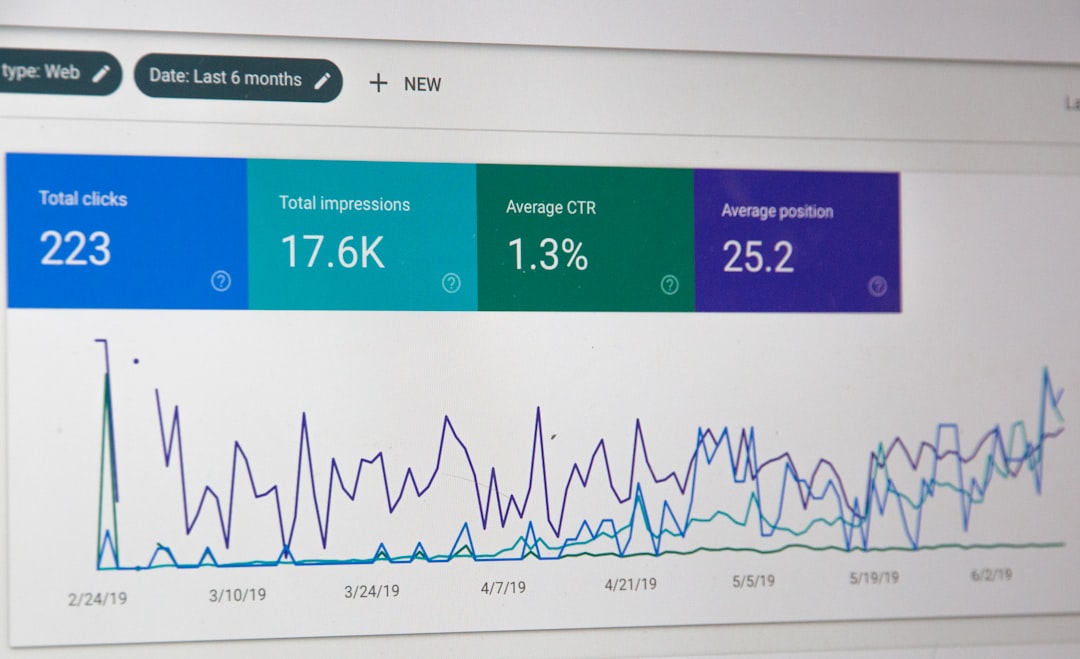
Page Quality Rating is not a direct ranking score, but the ideas behind it are deeply connected to SEO performance. Search engines aim to rank pages that best satisfy users. If your content is more helpful, easier to trust, and better aligned with search intent than competing pages, it has a stronger chance of performing well over time.
This is especially true as search algorithms become better at detecting shallow content, content written only for keyword coverage, and pages that fail to provide meaningful value. Technical SEO still matters, but technical optimization cannot compensate for low trust or poor content quality.
Strong page quality can also improve user behavior. Visitors are more likely to stay, read, click, share, subscribe, or convert when a page feels credible and useful. These outcomes support the broader goals of SEO: not only attracting traffic, but attracting traffic that creates business value.
How to Improve Page Quality
Improving page quality requires both editorial discipline and technical care. The goal is to make each page more useful, more credible, and easier to use.
- Clarify the page’s purpose. Decide what the page should accomplish and remove anything that distracts from that goal.
- Match search intent. Study what users expect when they search the target query, then provide a complete and direct answer.
- Strengthen the main content. Add original insights, examples, data, expert commentary, images, comparisons, or instructions where appropriate.
- Show accountability. Include author information, business details, contact options, editorial policies, or review processes when relevant.
- Update old content. Refresh outdated facts, broken links, screenshots, prices, statistics, and recommendations.
- Improve readability. Use clear headings, short paragraphs, lists, and plain language without oversimplifying serious topics.
- Reduce friction. Avoid intrusive pop-ups, excessive ads, slow loading elements, and confusing navigation.

Common Mistakes to Avoid
One common mistake is assuming that more content automatically means higher quality. A long article can still be poor if it repeats basic points, lacks expertise, or fails to answer the user’s real question. Quality is not measured by word count alone.
Another mistake is over-optimizing for keywords. Keyword research is useful, but forcing phrases into headings and paragraphs can make content less natural and less trustworthy. Search engines are increasingly focused on meaning, context, and satisfaction rather than exact repetition.
Website owners should also avoid publishing large volumes of unreviewed automated content. AI-assisted writing can be useful, but it still requires human judgment, fact-checking, editing, and accountability. If content is inaccurate, generic, or misleading, its production method does not excuse the quality problem.
Final Thoughts
Page Quality Rating gives SEO professionals a serious framework for understanding what search engines want to reward. It emphasizes purpose, usefulness, trust, expertise, and user satisfaction. These are not temporary trends; they are central to sustainable search visibility.
The practical lesson is clear: build pages for people first, but do so with a professional understanding of how search engines evaluate quality. A page that is accurate, transparent, well organized, and genuinely helpful is more likely to earn visibility, trust, and long-term results.

