

Choosing healthcare software is rarely about finding the flashiest dashboard; it is about selecting a platform that can support clinical documentation, billing, compliance, care coordination, and reporting without slowing teams down. myUnity, commonly associated with Netsmart, is a healthcare technology platform built primarily for post-acute and community-based care organizations, including home health, hospice, senior living, palliative care, and related providers.
TLDR: myUnity is a robust healthcare software platform for organizations that need connected clinical, operational, and financial workflows across post-acute care settings. It is best suited for mid-sized to large providers that want an integrated system rather than several disconnected tools. For example, a hospice agency with 150 daily census patients may use myUnity to centralize care plans, visit documentation, billing, and quality reporting, potentially reducing duplicate data entry across departments. Pricing is not usually published, so buyers should expect a custom quote based on size, modules, implementation, and support needs.
Contents
What Is myUnity?
myUnity is an electronic health record and healthcare management solution designed to help care organizations manage the full patient journey. Unlike basic scheduling or documentation tools, myUnity brings multiple workflows into one platform, covering clinical charting, care coordination, billing, referral management, analytics, and compliance support.
The platform is especially relevant for organizations operating in post-acute care, where patients often move between different services and levels of care. A provider may manage home health visits, hospice services, palliative care, and senior living operations under the same organizational umbrella. myUnity aims to support that complexity by creating a more unified view of patient records and operational performance.
Key Features of myUnity
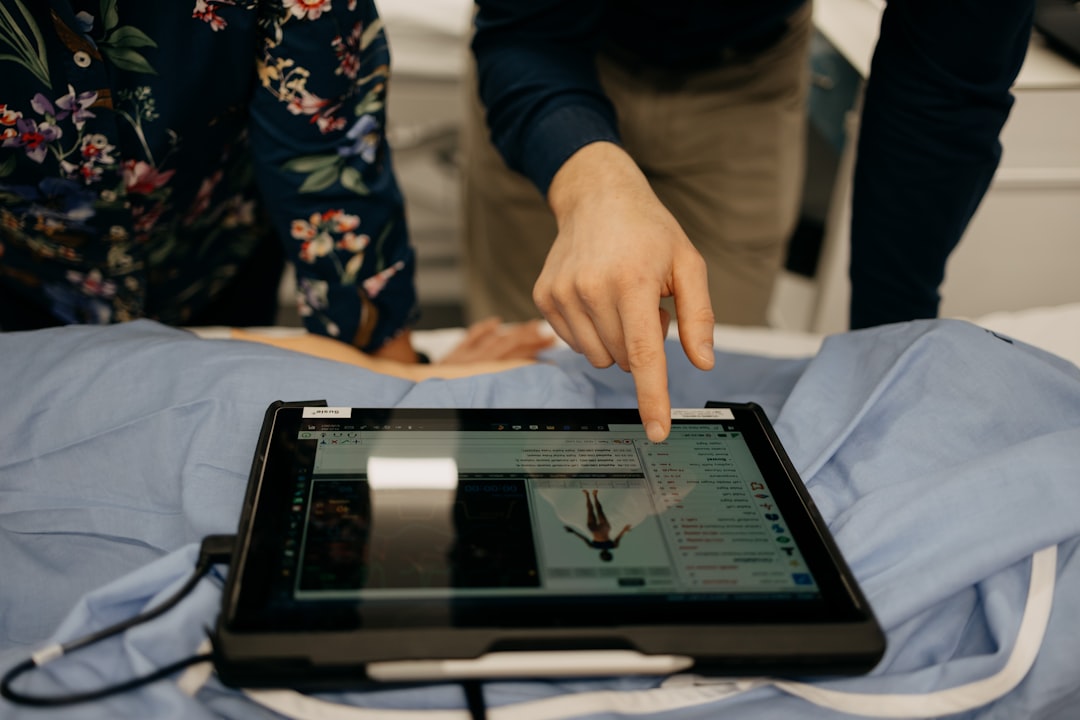
myUnity offers a broad selection of healthcare software features. The exact tools available may depend on the modules selected and the care setting served, but the core strengths generally include the following:
- Electronic health records: Clinicians can document assessments, care plans, progress notes, medications, diagnoses, and visit details in a centralized record.
- Care coordination: Teams can collaborate across disciplines, improving communication between nurses, therapists, aides, social workers, physicians, and administrative staff.
- Scheduling and visit management: The platform helps organizations assign staff, manage visit frequencies, and monitor completion of scheduled services.
- Billing and revenue cycle tools: myUnity supports claims-related workflows, payer documentation, authorization tracking, and financial reporting.
- Compliance support: Built-in workflows can help providers align documentation with regulatory requirements, quality measures, and audit expectations.
- Referral management: Organizations can track referrals from intake through admission, helping sales and clinical teams monitor conversion and capacity.
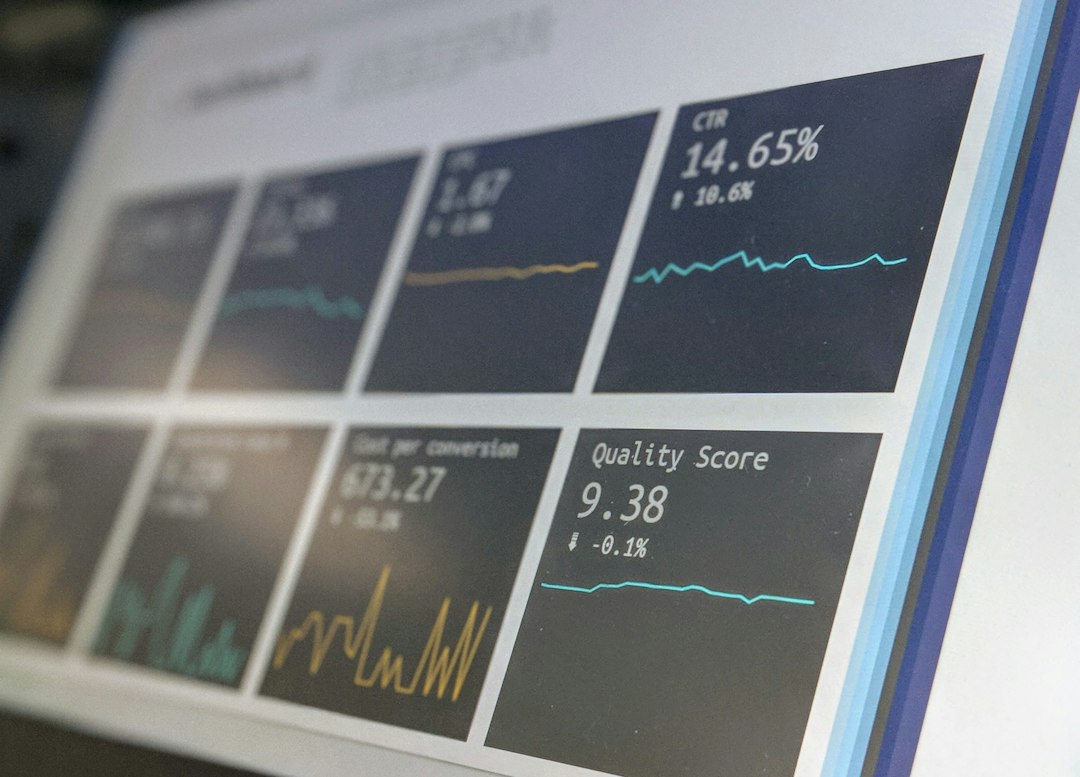
- Reporting and analytics: Dashboards can provide visibility into census, productivity, clinical quality, financial trends, and operational bottlenecks.
- Mobile access: Field clinicians can document care while visiting patients, which is particularly valuable for home-based services.
User Experience and Ease of Use
myUnity is built for complex healthcare workflows, so its user experience can feel comprehensive rather than lightweight. For organizations coming from paper records or multiple legacy systems, the transition may require careful training and change management. However, once configured and adopted properly, the platform can reduce duplicated work and help teams access information more consistently.
Clinical users may appreciate having patient history, visit notes, orders, and care plans in one place. Administrators may value visibility into admissions, authorizations, billing status, and staff productivity. That said, the learning curve can vary depending on staff roles and how customized the implementation becomes.
myUnity Pricing
myUnity pricing is typically not listed publicly. Like many enterprise healthcare software platforms, costs are usually based on a custom quote. Pricing may depend on factors such as organization size, number of users, care settings, selected modules, data migration requirements, integrations, training, and ongoing support.
Common cost components may include:
- Software subscription or licensing fees, often based on users, census, or organizational scope
- Implementation fees for configuration, project management, and workflow setup
- Training costs for clinical, billing, and administrative teams
- Data migration expenses if records must be moved from a prior system
- Integration costs for connecting with labs, pharmacies, payroll, clearinghouses, or other systems
- Support and maintenance fees depending on contract terms
For buyers, the best approach is to request a detailed pricing proposal and clarify what is included. Ask whether upgrades, technical support, reporting tools, mobile access, and integrations are part of the base package or billed separately.
Strengths of myUnity
myUnity stands out because it is designed for specialized care environments rather than general medical office use. Its main strengths include:
- Strong fit for post-acute care: The platform supports workflows common in home health, hospice, senior living, and palliative care.
- Integrated operations: Clinical, billing, referral, and reporting tools can work together within one ecosystem.
- Scalability: It can support organizations with multiple branches, service lines, or interdisciplinary teams.
- Compliance-oriented workflows: Documentation and reporting features can help organizations meet payer and regulatory expectations.
- Better visibility: Dashboards and analytics help leadership identify trends in census, quality, productivity, and revenue cycle performance.
Potential Drawbacks
myUnity is powerful, but it may not be the right fit for every provider. Smaller organizations or clinics with simple needs may find the platform more extensive than necessary. The lack of transparent pricing can also make early budgeting more difficult.
Potential limitations include:
- Custom pricing: Buyers must contact the vendor for a quote, making quick comparisons harder.
- Implementation complexity: Larger deployments may require significant planning, training, and workflow redesign.
- Learning curve: Staff may need time to become comfortable with the system, especially if moving from simpler tools.
- Best for specific care models: Organizations outside post-acute or community care may prefer a different EHR.
Who Should Consider myUnity?
myUnity is a strong option for healthcare organizations that need more than a basic EHR. It is particularly suitable for providers managing patients across multiple services, locations, or care teams.
myUnity may be a good fit for:
- Home health agencies
- Hospice and palliative care providers
- Senior living and long-term care organizations
- Post-acute networks
- Multi-location healthcare providers
- Organizations seeking stronger clinical and financial integration
It may be less ideal for solo practices, small outpatient clinics, or organizations looking for a simple appointment and billing system with minimal setup.
Healthcare Software Alternatives to myUnity
Before committing to myUnity, it is useful to compare it with other healthcare software platforms. The best alternative depends on your care setting, budget, workflows, and reporting requirements.
1. WellSky
WellSky is a major healthcare software provider with solutions for home health, hospice, personal care, rehabilitation, blood management, and other sectors. It is often considered by organizations that want strong post-acute and community care functionality. WellSky may appeal to providers looking for broad healthcare network capabilities and mature industry-specific tools.
2. MatrixCare
MatrixCare is widely used in long-term care, senior living, skilled nursing, life plan communities, and home health. It offers EHR, revenue cycle, analytics, and care coordination features. Organizations focused on senior care may compare MatrixCare closely with myUnity.
3. Homecare Homebase
Homecare Homebase is a popular option for home health and hospice agencies. It is known for mobile field documentation, scheduling, compliance workflows, and agency operations. Larger home-based care providers often include it on their shortlist.
4. PointClickCare
PointClickCare is a prominent cloud-based healthcare platform for long-term and post-acute care providers. It offers clinical, financial, and administrative tools, with a strong footprint in skilled nursing and senior care environments.
5. athenahealth
athenahealth is better known for ambulatory medical practices, offering EHR, practice management, patient engagement, and billing services. It may be a better alternative for outpatient clinics rather than hospice or home health organizations.
How to Choose the Right Platform
When comparing myUnity with alternatives, focus on real operational needs rather than feature lists alone. A platform may look impressive in a demo but still fail if it does not match your documentation style, payer mix, staffing model, or reporting requirements.
Ask vendors questions such as:
- Does the software support our specific care setting and regulatory requirements?
- How long does implementation usually take for an organization our size?
- What training is included for clinical, billing, and administrative users?
- Can the system integrate with our existing tools?
- What reporting dashboards are available out of the box?
- How are support requests handled after launch?
- What costs are not included in the initial quote?
Final Verdict
myUnity is a capable and comprehensive healthcare software platform for post-acute and community-based care providers that need integrated clinical, operational, and financial workflows. Its strengths are most visible in organizations that manage complex care delivery, multiple teams, and compliance-heavy documentation.
However, it is not a one-size-fits-all solution. Smaller providers may find it more robust than necessary, and the custom pricing model means buyers should evaluate total cost carefully. For home health, hospice, senior living, and post-acute organizations, myUnity deserves serious consideration alongside WellSky, MatrixCare, Homecare Homebase, and PointClickCare.
Ultimately, the best choice depends on how well the platform supports your day-to-day workflows, improves staff efficiency, and helps deliver high-quality patient care without creating unnecessary administrative friction.

