
When a security incident happens, the clock starts immediately. A broken gate, medical emergency, trespasser, access control failure, workplace disturbance, or alarm activation is not truly “handled” until it is documented, assigned, escalated, resolved, reviewed, and used to prevent the next event. That is why the best guard systems for incident resolution tracking do far more than record reports; they create a clear chain of action from first observation to final closure.
TLDR: The best guard systems for incident resolution tracking combine mobile reporting, real time alerts, case management, GPS verification, and analytics. Look for platforms that help guards capture accurate details quickly, notify the right people instantly, and track each incident until it is resolved. The right system should make security teams faster, more accountable, and better prepared for audits, insurance reviews, and future risk prevention.
Contents
Why Incident Resolution Tracking Matters
Traditional guard reporting often ends with a written log, a radio call, or a report sent at the end of a shift. While that may document what happened, it does not always show what was done about it. Incident resolution tracking fills that gap by following the complete life cycle of an event.
A strong guard system should answer practical questions such as:
- Who reported the incident?
- When and where did it occur?
- Who was notified?
- What actions were taken?
- Has the issue been resolved?
- What evidence supports the outcome?
- What can be improved next time?
For security managers, this level of visibility is invaluable. It turns scattered updates into a structured workflow. Instead of chasing phone calls, reading incomplete notes, or wondering whether a maintenance issue was fixed, managers can see the status of every open incident in one place.
Key Features of the Best Guard Systems
The best guard systems for incident resolution tracking usually share a core set of features. Some platforms are designed for large enterprises, while others suit smaller guard companies or property teams. However, the most effective tools all help users move from reporting to resolution.
1. Mobile Incident Reporting
Guards need to report incidents while they are still fresh. A mobile app allows officers to capture details directly from the scene using a phone or tablet. This may include written notes, dropdown categories, photos, videos, signatures, timestamps, and voice notes.
Why it matters: Mobile reporting reduces delays and improves accuracy. Instead of reconstructing events hours later, guards can document what they see in real time. The best systems also include required fields, ensuring that critical information is not missed.
2. Real Time Alerts and Escalations
An incident tracking system should immediately notify supervisors, property managers, emergency contacts, or maintenance teams when certain events occur. For example, a minor parking violation may only need a routine report, while a fire alarm, injury, or forced entry should trigger instant alerts.
Smart escalation rules are a major advantage. They allow each incident type to follow a defined path. If a supervisor does not respond within a set time, the system can automatically notify the next person in the chain.
3. Resolution Status Tracking
This is the feature that separates basic guard reporting from true incident resolution management. Every incident should have a status, such as new, assigned, in progress, pending review, or closed. Managers should be able to filter open incidents, see overdue actions, and confirm that nothing has slipped through the cracks.
For example, if a guard reports a damaged fence, the incident may be assigned to facilities. The system should show when the repair was requested, who accepted the task, when the repair was completed, and whether security verified the fix afterward.
4. GPS, NFC, and QR Code Verification
Incident reports are stronger when they include location verification. Many guard systems use GPS tracking, NFC tags, or QR codes to confirm where an officer was when a report was created or patrol checkpoint was scanned.
This is especially useful for mobile patrols, warehouses, campuses, construction sites, residential communities, and multi building facilities. Verification improves accountability and gives clients confidence that patrols and responses are being performed as promised.
5. Multimedia Evidence Collection
Photos, video clips, audio recordings, and digital signatures can transform an incident report from a simple statement into a well supported record. This matters for liability, insurance claims, HR investigations, law enforcement handoffs, and client transparency.
The best systems make evidence collection easy but secure. Files should be attached to the incident record, protected from unauthorized editing, and stored in a way that supports future review.
Types of Guard Systems Worth Considering
There is no single “best” system for every organization. The right choice depends on your environment, risk level, team size, and reporting requirements. Here are the main categories to consider.
Security Workforce Management Platforms
These are broad systems that combine incident tracking with scheduling, timekeeping, patrol verification, post orders, inspections, and client reporting. They are often ideal for contract security companies managing multiple sites and officers.
Best for: Guard firms, corporate security departments, campuses, healthcare facilities, and large commercial properties.
Look for: Custom incident forms, live dashboards, client portals, automated notifications, GPS patrols, and performance analytics.
Dedicated Incident Management Systems
Some organizations need deeper case management rather than general guard tour functionality. Dedicated incident platforms are designed to track investigations, assign follow up tasks, store evidence, manage approvals, and produce detailed reports.
Best for: Corporate security, compliance teams, transportation hubs, manufacturing, education, and organizations with complex investigation workflows.
Look for: Case notes, role based permissions, audit trails, evidence management, task tracking, and trend analysis.
Guard Tour and Patrol Tracking Systems
Guard tour systems focus on proving that patrols occurred and that checkpoints were visited. Many now include incident reporting and alert features, making them useful for teams that need simple but reliable field documentation.
Best for: Mobile patrol services, residential communities, parking operations, industrial sites, and after hours property checks.
Look for: NFC or QR checkpoints, offline mode, photo reporting, route history, missed checkpoint alerts, and quick incident submission.
What Makes a System Truly “Best”?
A system is not best because it has the longest feature list. It is best when it improves the daily reality of the people using it. Guards should find it fast and intuitive. Supervisors should get immediate visibility. Clients or executives should receive clear, professional reports. Administrators should be able to configure workflows without constant technical support.
When evaluating guard systems, focus on these qualities:
- Ease of use: If reporting takes too long, guards may avoid using the system properly.
- Custom workflows: Different incidents require different response paths.
- Reliable mobile performance: The app should work well in the field, including areas with poor connectivity.
- Clear dashboards: Managers need to see open incidents, urgent items, and unresolved risks quickly.
- Strong reporting tools: Reports should be exportable, readable, and useful for decision making.
- Secure access controls: Sensitive incidents should only be visible to authorized users.
- Integration options: The system may need to connect with access control, video surveillance, HR, maintenance, or emergency notification tools.
Important Workflows to Build Into Your System
Even the best software can fail if the workflow is unclear. Before launching a guard system, define how incidents should move from discovery to closure.
A practical workflow may include:
- Detection: A guard observes or receives notice of an incident.
- Initial report: The guard submits details, location, category, and evidence.
- Automatic alert: The correct supervisor or stakeholder is notified.
- Assignment: A responsible person or department is selected.
- Action tracking: Updates are added as the response continues.
- Verification: A supervisor confirms that the issue has been handled.
- Closure: The incident is marked resolved with final notes.
- Review: Trends are analyzed to reduce future risk.
This structure prevents the common problem of “reported but not resolved.” It also makes accountability visible without relying on memory or informal communication.
Analytics: Turning Incidents Into Prevention
Incident tracking becomes even more valuable when the data is analyzed over time. A good guard system can reveal patterns that are easy to miss in daily operations. For example, repeated trespassing near one entrance may indicate a lighting problem. Frequent slip and fall reports in one hallway may point to a maintenance issue. Multiple access violations during a certain shift may suggest a staffing or procedure gap.
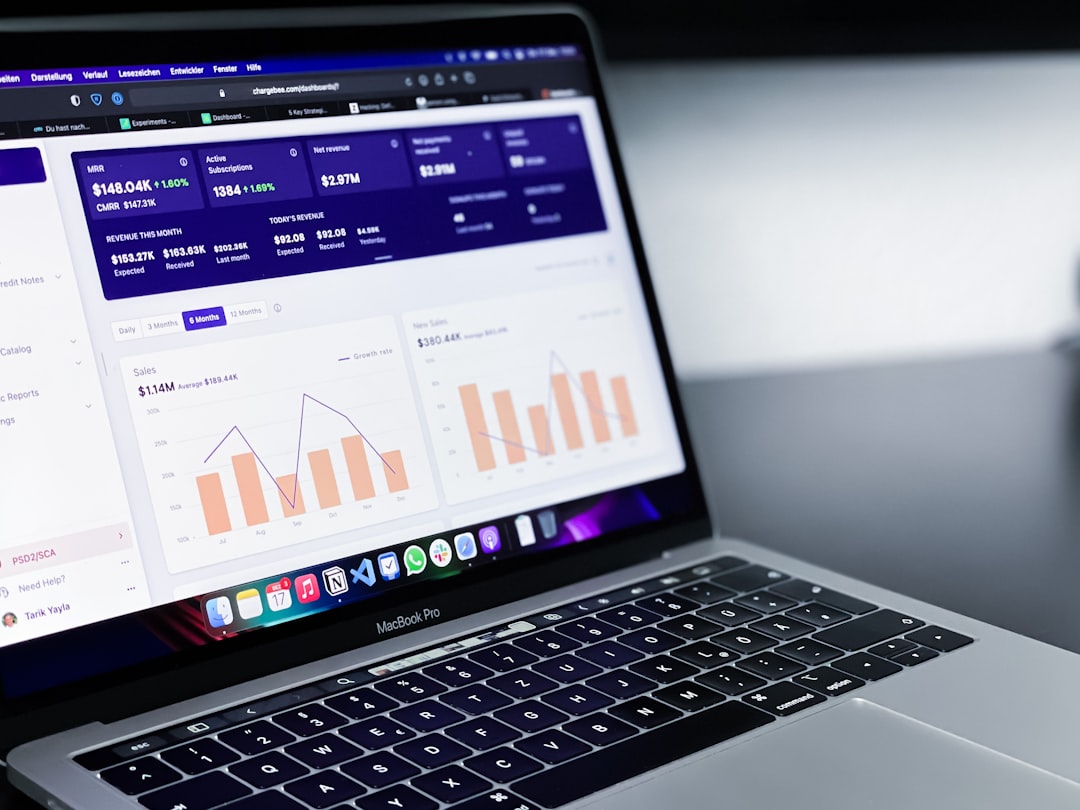
Useful analytics include:
- Incident frequency by type, site, building, or shift
- Average time to acknowledge and resolve incidents
- Repeat locations or recurring risk areas
- Officer response activity and reporting quality
- Open incidents by priority level
- Maintenance or operational issues linked to security reports
Common Mistakes to Avoid
One mistake is choosing a system based only on price. A low cost tool that creates poor reports, lacks escalation, or frustrates guards can become expensive through missed incidents and unresolved risks.
Another mistake is overcomplicating forms. If guards must fill out dozens of fields for every minor issue, reporting quality may decline. Use conditional fields so serious incidents receive detailed documentation while routine events remain quick to submit.
Finally, avoid treating the system as a digital filing cabinet. The goal is not simply to store reports; it is to drive action. Every serious incident should have an owner, a deadline, and a resolution path.
Final Thoughts
The best guard systems for incident resolution tracking help security teams become more proactive, organized, and accountable. They capture incidents accurately, notify the right people quickly, track progress clearly, and turn security data into practical improvements.
Whether you manage a small guard team or a complex multi site operation, the ideal system should support the full journey from first report to final resolution. Choose a platform that fits your workflow, train your officers thoroughly, and review your incident data regularly. When used well, a guard system is not just a reporting tool; it becomes a central part of your risk management strategy.

