
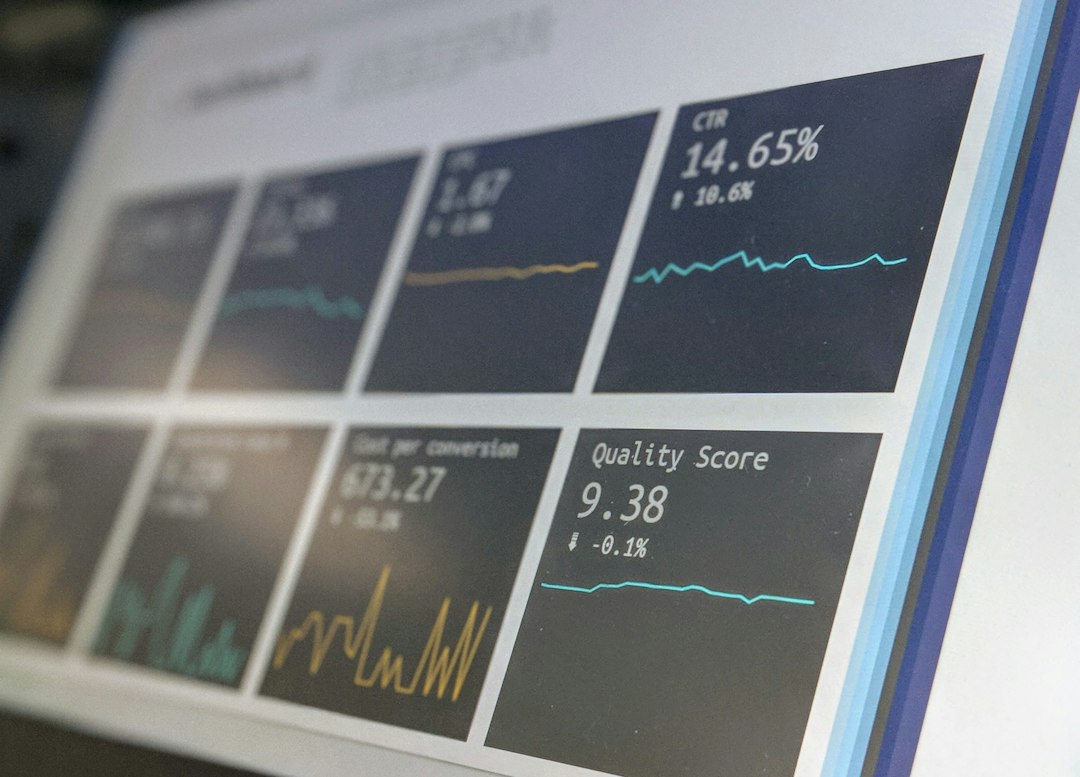
Sprout Social is the stronger choice for teams that need cleaner Instagram profile monitoring, faster triage, and better reporting in one place. Hootsuite still works well for scheduling-heavy teams that want to watch Instagram comments, mentions, and messages alongside other networks. For real-time Instagram profile monitoring, the practical difference is this: Sprout Social feels built for response management, while Hootsuite feels built for content control with monitoring added on.
TLDR: Sprout Social is better for brands that need near real-time Instagram monitoring, shared inbox workflows, and proof that response times are improving. Hootsuite is usually better when a team already depends on post planning, approvals, and multi-network calendars. For example, a support team handling 450 Instagram comments and DMs per week could use Sprout to cut average first response time from 3 hours to about 55 minutes by routing messages and tagging issues. Hootsuite may save more time for a marketing team publishing 80 posts per month across several channels.
Contents
- 1 What “real-time” Instagram profile monitoring really means
- 2 Sprout Social for Instagram profile monitoring
- 3 Hootsuite for Instagram profile monitoring
- 4 Sprout Social vs Hootsuite: feature comparison
- 5 Which tool is faster for Instagram response teams?
- 6 Analytics and reporting differences
- 7 Pricing and team value
- 8 Final recommendation
- 9 FAQ
- 9.1 Can Sprout Social monitor Instagram profiles in real time?
- 9.2 Can Hootsuite monitor Instagram DMs and comments?
- 9.3 Which platform is better for agencies?
- 9.4 Which tool is easier for beginners?
- 9.5 Does either tool replace native Instagram notifications?
- 9.6 Which platform is better for crisis monitoring?
What “real-time” Instagram profile monitoring really means
Instagram monitoring is rarely instant in the pure technical sense. Both Sprout Social and Hootsuite depend on Meta’s API rules, account permissions, and notification limits. In practice, teams should expect near real-time alerts, inbox updates, and stream refreshes rather than a live security-camera feed.
Monitoring an Instagram profile usually includes:
- Tracking comments on organic posts and Reels
- Viewing and replying to Instagram DMs
- Finding mentions and tagged content
- Watching brand-related keywords or hashtags where supported
- Assigning messages to teammates
- Measuring response time, volume, and sentiment trends
The catch is that Instagram monitoring becomes messy fast. A single Reel can create hundreds of comments, spam replies, influencer tags, and private complaints. A tool that only shows updates is not enough. The team needs filtering, context, assignments, and reporting.

Sprout Social for Instagram profile monitoring
Sprout Social is best known for its Smart Inbox. That is the main reason many brands pick it for Instagram monitoring. It pulls comments, mentions, and messages into a shared space where teams can tag, assign, hide, complete, or reply without losing the thread.
For Instagram profile monitoring, Sprout’s biggest strength is order. A social media manager can filter by message type, profile, tag, priority, or assigned teammate. A customer care lead can see which comments still need a reply. A brand manager can check if negative comments are rising after a campaign goes live.
Sprout also gives stronger reporting for response performance. Teams can track volume, average reply time, completion rate, and message categories. That matters when Instagram is not just a marketing channel. It is often a public support desk.
Best fit for Sprout Social:
- Retail, SaaS, hospitality, finance, and health brands with high comment volume
- Teams that need clear message ownership
- Agencies that report Instagram activity to clients
- Brands that care about response time and customer care metrics
- Organizations that need permission levels and audit-friendly workflows
Honestly, it feels like Sprout was made for the person who is tired of asking, “Did anyone reply to this?” The shared inbox removes much of that confusion.
Hootsuite for Instagram profile monitoring
Hootsuite is a better match for teams that think in calendars, campaigns, and content streams. Its Instagram monitoring tools are useful, especially for teams already publishing from Hootsuite. Users can monitor comments, messages, mentions, and selected streams from one dashboard.
Hootsuite’s stream-based view is flexible. A team can set up columns for Instagram activity, scheduled posts, mentions, or other social networks. This works well for a marketing team that wants a quick view of what is happening across accounts.
Where Hootsuite can feel less smooth is high-volume response work. Streams are handy, but they can become crowded. It drives some teams crazy that moving from monitoring to structured resolution can take extra clicks compared with a dedicated inbox-first setup. For a small team, that may not matter. For a care team getting 1,000 Instagram interactions per week, it can slow things down.
Best fit for Hootsuite:
- Teams that publish heavily across Instagram, LinkedIn, Facebook, X, and TikTok
- Brands that want monitoring inside a content planning system
- Small teams with moderate Instagram engagement
- Organizations that already use Hootsuite for approvals and scheduling
- Marketing teams that prefer column-based streams

Sprout Social vs Hootsuite: feature comparison
| Category | Sprout Social | Hootsuite |
|---|---|---|
| Instagram inbox | Strong shared inbox with tags, assignments, and status controls | Useful inbox and streams, but can feel less tidy at scale |
| Real-time monitoring feel | Good for rapid triage and response tracking | Good for watching activity across streams |
| Reporting | Stronger for care metrics, team performance, and message trends | Solid for publishing, engagement, and campaign summaries |
| Ease of use | Clean workflow for support and engagement teams | Familiar column layout, useful but sometimes busy |
| Best use case | Instagram engagement, service, and reputation monitoring | Content scheduling with broad social monitoring |
Which tool is faster for Instagram response teams?
Sprout Social usually wins for response speed because it cuts down on sorting. A team can assign a complaint, mark it complete, and tag it as shipping issue, pricing question, or product feedback. Those tags later become reports.
Hootsuite can still support fast replies, especially for smaller teams. The issue is scale. When message volume rises, teams need more than streams. They need rules, ownership, internal notes, and clear status labels.
For a practical example, imagine a beauty brand with 120,000 Instagram followers. A product launch generates 2,400 comments in 48 hours. Sprout helps the care team separate influencer requests, complaints, spam, and product questions. Hootsuite helps the marketing team monitor campaign posts, publish Stories, and keep the content calendar moving. Both help, but they solve different pain points.
Analytics and reporting differences
Sprout Social has an edge when managers need to prove service quality. Reports can show how many Instagram messages came in, how quickly the team replied, and what topics kept appearing. If negative sentiment rose by 18% after a delayed shipment notice, Sprout makes that pattern easier to explain.
Hootsuite’s reporting is helpful for campaign performance. It is strong for teams asking which posts gained reach, clicks, comments, or engagement. Its monitoring reports are useful, but Sprout tends to give more depth for customer care and conversation management.

Pricing and team value
Both platforms can become expensive as more users, profiles, approvals, and advanced analytics are added. Sprout Social often costs more, but the price can be easier to defend when Instagram is tied to support, sales, or brand risk. Hootsuite may feel more cost-effective for teams focused on publishing and lighter monitoring.
The best pricing decision should not come from feature lists alone. A team should estimate the cost of missed comments, slow replies, duplicated work, and manual reporting. If one angry Instagram thread costs hours of cleanup, the stronger inbox may pay for itself.
Final recommendation
Sprout Social is the better pick for real-time Instagram profile monitoring when response quality matters most. It suits teams that need structure, analytics, assignments, and a clean record of what happened. Hootsuite is the better pick when Instagram monitoring sits beside heavy scheduling and multi-channel publishing.
A brand should choose Sprout if Instagram is a service channel. It should choose Hootsuite if Instagram is mainly part of a broader content machine. If both needs are equal, the deciding question is simple: does the team spend more time replying to people or planning posts?
FAQ
Can Sprout Social monitor Instagram profiles in real time?
Sprout Social provides near real-time Instagram monitoring for supported comments, mentions, and messages. Exact timing depends on Meta’s API and account permissions.
Can Hootsuite monitor Instagram DMs and comments?
Yes. Hootsuite can monitor Instagram comments, messages, and activity through supported inbox and stream features. Availability may depend on the plan and Instagram account type.
Which platform is better for agencies?
Sprout Social is often stronger for agencies that need detailed client reporting and message workflows. Hootsuite can be better for agencies focused on scheduling many posts across several networks.
Which tool is easier for beginners?
Hootsuite may feel familiar to teams that like streams and calendars. Sprout Social may feel easier for teams that live in an inbox and need clear task ownership.
Does either tool replace native Instagram notifications?
No. Native Instagram notifications can still be useful. Sprout Social and Hootsuite add team workflows, reporting, filters, and multi-profile monitoring that Instagram alone does not provide.
Which platform is better for crisis monitoring?
Sprout Social is usually the safer choice for crisis monitoring because its inbox, tagging, and reporting tools help teams sort urgent comments faster and keep a record of responses.

