

An About Us page is often where curiosity turns into confidence. Visitors may arrive wanting to know what your company does, but they stay to discover who is behind it, why the business exists, and whether they can trust it. When you include thoughtful leadership information, your About Us page becomes more than a company biography; it becomes a credibility engine for customers, investors, partners, recruits, and the media.
TLDR: A strong About Us page explains your company’s mission, story, values, and leadership in a clear, human way. Include executive bios, professional photos, relevant achievements, and a short explanation of how leaders support the company’s vision. For example, a B2B software company may increase demo requests by 18% after adding founder profiles, customer trust statistics, and leadership quotes. Keep the page concise, visually organized, and focused on why your team is qualified to solve your audience’s problem.
Contents
- 1 Start With a Clear Purpose
- 2 Tell a Company Story, Not a Corporate Timeline
- 3 Make Leadership Visible and Credible
- 4 Use Strong Photos and Consistent Presentation
- 5 Balance Authority With Humanity
- 6 Show Values Through Evidence
- 7 Include Trust Signals Without Overcrowding the Page
- 8 Design for Skimming and Mobile Reading
- 9 Add a Clear Next Step
- 10 Keep It Updated
- 11 Final Thoughts
Start With a Clear Purpose
Before writing, define what your About Us page should accomplish. Is it meant to build trust with potential customers? Attract job applicants? Reassure investors? Support public relations? Most companies need it to do several things at once, but the page should still feel focused.
A helpful way to begin is by asking: What should a visitor believe after reading this page? Possible answers might include:
- “This company understands my needs.”
- “These leaders have relevant experience.”
- “This business is stable, transparent, and trustworthy.”
- “I want to work with, buy from, or join this company.”
Once you know the desired impression, every section becomes easier to shape. Your mission statement, founding story, leadership bios, and values should all support the same message.
Tell a Company Story, Not a Corporate Timeline
Many About Us pages fall flat because they read like a list of dates: founded in 2014, opened a second office in 2017, launched a new product in 2020. Milestones matter, but they should be woven into a story with motivation, challenge, and progress.
Explain why the company was created. What problem did the founders notice? What gap existed in the market? What belief pushed the team forward? A compelling story helps visitors connect emotionally, especially when it shows the people behind the business making deliberate choices.
For example, instead of saying, “We launched to provide accounting services,” a stronger version might be: “After seeing small business owners lose hours each week to confusing financial tasks, our founders built a service that makes expert accounting accessible without corporate complexity.” The second version tells visitors who you help and why your company matters.

Make Leadership Visible and Credible
Leadership information is one of the most important parts of an effective About Us page. People want to know who is making decisions, shaping culture, and representing the organization. In industries such as finance, healthcare, technology, education, and consulting, leadership credibility can directly influence whether visitors take the next step.
Include a dedicated leadership section with professional but approachable details. Each leader profile should answer three basic questions:
- Who is this person? Include name, title, and role in the company.
- Why are they qualified? Mention relevant experience, achievements, education, or industry expertise.
- What do they stand for? Add a short human detail, leadership philosophy, or quote.
Avoid overly long biographies. A leadership bio should usually be between 80 and 150 words, depending on the size and complexity of the company. Focus on accomplishments that matter to your audience, not every career detail. If your CEO previously scaled a company from 20 to 300 employees, that is relevant. If your CTO holds patents in your product category, mention it. If your operations leader improved delivery speed by 35%, include the number.
Use Strong Photos and Consistent Presentation
Leadership photos influence perception quickly. Blurry headshots, mismatched backgrounds, or casual cropped images can make even an experienced team look disorganized. Use consistent lighting, framing, and style. The tone should match your brand: polished and formal for a law firm, warm and approachable for a nonprofit, innovative and energetic for a creative agency.
Each leadership profile should have a similar structure so visitors can scan easily. Use the same order for name, title, bio, credentials, and links. If you include social profiles, choose professional platforms only and make sure they are up to date.

Balance Authority With Humanity
The best About Us pages show expertise without sounding cold. Leadership information should build trust, but it should also reveal personality. Visitors are more likely to remember leaders who sound like real people, not press releases.
Consider adding short leadership quotes. For example: “Our goal is to make enterprise level technology feel simple enough for every growing team to use.” A quote like this communicates strategy, audience focus, and tone in one sentence.
You can also include small human details when appropriate: a founder’s motivation, a leader’s commitment to mentorship, or a team value that shapes daily decisions. The key is relevance. Personal details should support connection, not distract from credibility.
Show Values Through Evidence
Many companies list values such as innovation, integrity, and customer focus. These words are common, so they need proof. Instead of simply listing values, explain how they appear in the business.
For instance:
- Customer focus: “Our support team maintains a 92% satisfaction rating across more than 10,000 monthly interactions.”
- Innovation: “We invest 20% of our product team’s time in research, testing, and user feedback.”
- Community: “Employees receive two paid volunteer days each year to support local causes.”
Specific examples feel more believable than broad claims. They also make your About Us page more memorable and persuasive.
Include Trust Signals Without Overcrowding the Page
Your About Us page should offer enough proof to support your claims. Add trust signals such as awards, certifications, client logos, media mentions, years in business, customer numbers, or case study highlights. However, do not overload the page with every achievement your company has ever earned.
Choose the trust signals that matter most to your audience. A cybersecurity company might feature compliance certifications and leadership experience. A design studio might highlight awards and client results. A healthcare organization might emphasize licenses, board members, and patient outcomes.
Design for Skimming and Mobile Reading
Even an excellent story can fail if the page is hard to read. Use clear headings, short paragraphs, bullet points, and visual breaks. Many visitors will skim first and read later, so make the most important details easy to find.
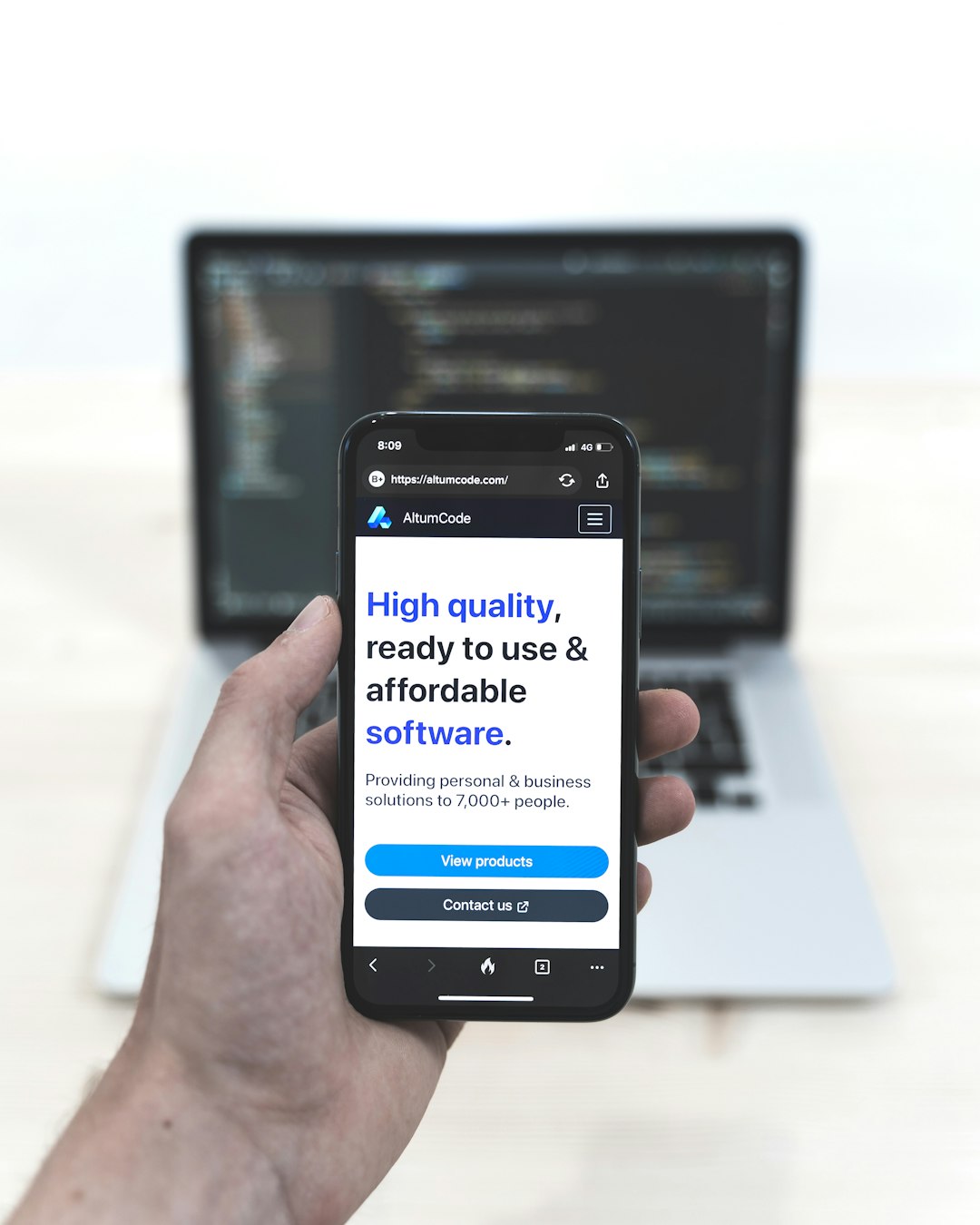
On mobile devices, leadership grids can become awkward if they are not designed carefully. Make sure photos resize properly, bios do not become dense blocks of text, and buttons are easy to tap. If the page includes multiple executives, consider using expandable bios or a “read more” format to keep the experience clean.
Add a Clear Next Step
An About Us page should not end abruptly. After visitors learn who you are and who leads the company, guide them toward a meaningful next action. Depending on your business, that action might be to contact sales, view open roles, read case studies, subscribe to updates, or schedule a consultation.
Place a simple call to action near the end of the page. For example: “Meet the team behind your next project”, “Explore careers with us”, or “See how our leadership approach delivers client results.” The call to action should feel like a natural continuation of the story, not a sudden sales pitch.
Keep It Updated
An outdated About Us page can weaken trust. Leadership changes, awards, statistics, office locations, and company priorities should be reviewed regularly. Set a reminder to audit the page every quarter or at least twice a year.
Pay special attention to leadership information. If an executive has left, a title has changed, or a new leader has joined, update the page quickly. Accuracy signals professionalism, while outdated information can create confusion for customers, employees, journalists, and partners.
Final Thoughts
An effective About Us page combines story, proof, personality, and leadership credibility. It explains not only what your company does, but why it exists and who is responsible for moving it forward. When leadership information is clear, authentic, and well presented, visitors gain confidence in the people behind the brand.
Think of your About Us page as a digital handshake. It should be warm, direct, and trustworthy. With the right structure, strong executive profiles, meaningful evidence, and a clear next step, it can become one of the most valuable pages on your company website.

