
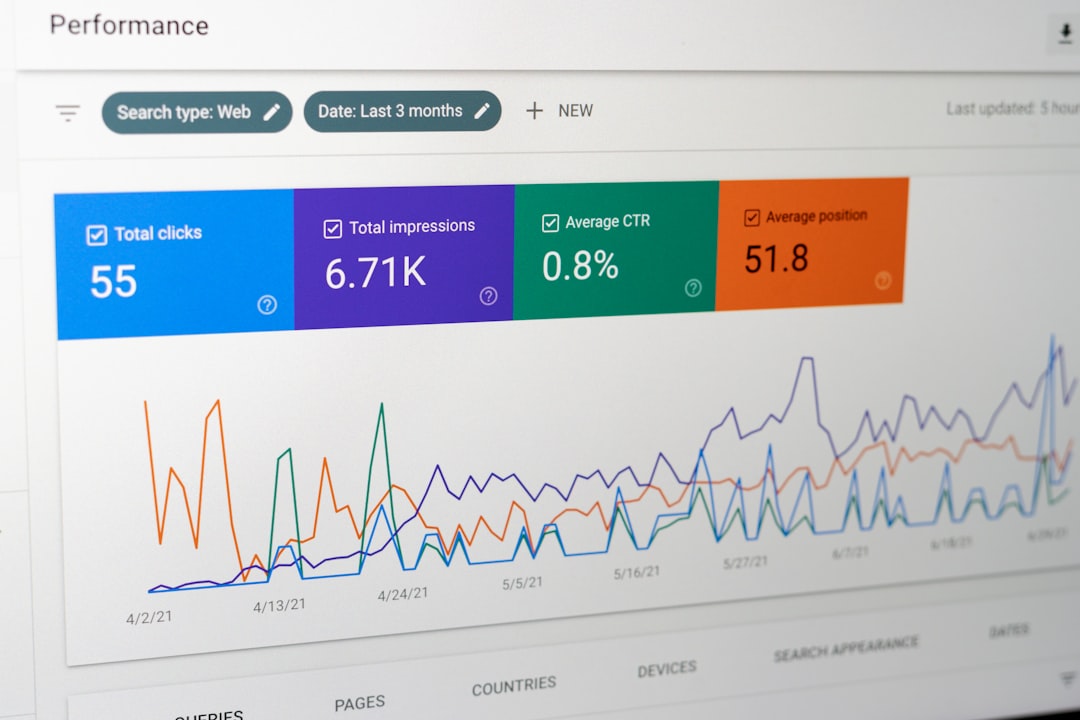
Identifying your target buyer is not a guessing exercise. Your website already contains a large amount of evidence about who is interested, what they care about, and how ready they are to buy. By reading those signals carefully, you can move beyond broad audience assumptions and build a more accurate picture of the people most likely to become customers.
TLDR: Your website can reveal your target buyer through behavioral signals such as traffic sources, page visits, search intent, engagement patterns, and conversion actions. The most valuable buyers are not always the visitors who generate the most traffic, but those who show repeated interest, fit your offer, and take meaningful steps toward purchase. To identify them, combine analytics data, form responses, content performance, and sales feedback. Over time, these signals help you refine your messaging, offers, and marketing priorities.
Contents
- 1 Start With the Difference Between Visitors and Buyers
- 2 Analyze Where Your Best Traffic Comes From
- 3 Study the Pages That Serious Buyers Visit
- 4 Use Search Intent to Understand Buyer Problems
- 5 Evaluate Engagement Quality, Not Just Engagement Quantity
- 6 Review Form Data and Lead Details
- 7 Connect Website Behavior With Sales Outcomes
- 8 Look for Patterns in Returning Visitors
- 9 Segment Buyers by Needs, Not Only Demographics
- 10 Turn Signals Into a Practical Buyer Profile
- 11 Keep Refining Your Understanding
Start With the Difference Between Visitors and Buyers
Not every website visitor is your target buyer. Some people arrive out of curiosity, some are researching for someone else, and others may never have the budget or authority to purchase. A serious buyer leaves a different pattern. They do not simply land on one page and disappear; they explore relevant information, compare options, return more than once, and often interact with forms, pricing pages, demos, case studies, or product details.
Your goal is to identify the signals that separate general interest from commercial intent. This distinction is essential because high traffic can be misleading. A blog article may attract thousands of readers, but if few of them become leads or customers, it may not represent your true buyer audience. In contrast, a lower-traffic page that consistently produces inquiries can reveal much more about your ideal customer.
Analyze Where Your Best Traffic Comes From
Traffic source data is one of the first clues to buyer identity. Visitors from organic search, paid campaigns, social media, referrals, direct visits, and email often behave differently. Looking only at volume is not enough. Instead, compare sources by engagement and conversion quality.
- Organic search: Often reveals what problems or questions people are actively researching.
- Paid search: Can show which keywords attract high-intent prospects, especially when tied to conversion data.
- Referral traffic: May indicate influential industry websites, partner networks, or publications trusted by your buyers.
- Email traffic: Often reflects warmer audiences who already know your brand.
- Direct traffic: Can suggest brand familiarity, repeat consideration, or offline awareness.
If one channel produces visitors who spend more time on product pages, request consultations, or download buying guides, that source may be attracting people closer to your real target buyer. Review not just where visitors come from, but what they do after they arrive.

Study the Pages That Serious Buyers Visit
The pages people choose to view tell you what matters to them. Buyers closer to a decision often gravitate toward specific types of content. These may include pricing pages, service comparisons, case studies, testimonials, technical specifications, implementation information, guarantees, and support details.
For example, someone who reads three educational blog posts may be in the awareness stage. Someone who visits a product page, then a pricing page, then a case study is likely evaluating whether your solution is credible and affordable. The sequence of pages matters because it shows the buyer’s thought process.
Look for patterns among visitors who convert. Which pages did they view before submitting a form or making a purchase? Which pages appear frequently in successful buyer journeys? These pages can tell you what information your target buyer needs before taking action.
Use Search Intent to Understand Buyer Problems
Search queries are one of the clearest windows into buyer intent. If your analytics and search tools show that people find your site through problem-based searches, those phrases can help define your buyer’s needs. A person searching “how to reduce employee turnover” has a different intent from someone searching “HR consulting pricing.” Both may be valuable, but they are at different stages.
Group search terms into categories:
- Problem awareness: Searches that describe pain points, risks, or frustrations.
- Solution research: Searches comparing methods, services, or product categories.
- Vendor evaluation: Searches involving pricing, reviews, comparisons, or implementation details.
- Purchase intent: Searches that include terms such as “buy,” “quote,” “demo,” “consultation,” or “near me.”
These categories make it easier to identify whether your site is attracting casual learners, active evaluators, or ready buyers. Your target buyer is usually found where strong fit and strong intent overlap.
Evaluate Engagement Quality, Not Just Engagement Quantity
Metrics such as time on page, pages per session, scroll depth, and return visits can be useful, but they must be interpreted carefully. A long session does not always mean buying interest; someone may be confused, distracted, or unable to find the right information. Similarly, a short session on a clear pricing page may still be valuable if it leads to an inquiry.
Focus on engagement quality. Good signals include repeat visits to commercial pages, interaction with product filters, use of calculators or configurators, video views on demos, downloads of detailed guides, and clicks on contact or booking buttons. These actions suggest that visitors are investing effort in evaluating your offer.
It is also useful to compare engagement across audience segments. If visitors from a certain industry, region, company size, or campaign consistently spend more time on high-intent pages, they may represent a stronger buyer segment than your general traffic.
Review Form Data and Lead Details
Forms are among the most direct sources of buyer intelligence. Contact forms, quote requests, demo bookings, newsletter signups, and gated content forms can reveal job titles, industries, company sizes, budgets, timelines, and specific needs. However, the value of this data depends on asking the right questions without creating unnecessary friction.
For early-stage content, keep forms short. For high-value actions such as consultations or demos, ask qualifying questions that help identify fit. Examples include:
- What type of solution are you looking for?
- What is your role in the buying process?
- What is your expected timeline?
- What challenge are you trying to solve?
- What company size or market do you serve?
Over time, form responses show which types of people are raising their hands and how closely they match your most profitable customers.

Connect Website Behavior With Sales Outcomes
Website analytics alone can show interest, but sales data confirms value. A lead may look promising online but never become a customer. Another may have a short website journey but close quickly because the fit is strong. To identify your target buyer accurately, connect website signals with outcomes such as qualified leads, closed deals, average order value, retention, and customer lifetime value.
This requires collaboration between marketing, sales, and customer success teams. Sales teams can identify which leads were serious, which objections appeared, and which website materials helped move the conversation forward. Customer success teams can reveal which buyers achieve the best results after purchase. These insights help you distinguish between buyers who are merely easy to attract and buyers who are genuinely valuable.
Look for Patterns in Returning Visitors
Returning visitors are especially important in considered purchases. Many buyers do not make decisions in one session. They come back to check details, share links with colleagues, compare alternatives, or wait for budget approval. A repeat visitor who returns to pricing, implementation, or case study pages may be demonstrating internal evaluation behavior.
Pay attention to how often people return, what changes in their behavior, and which pages they revisit. If returning visitors from certain campaigns or industries convert at higher rates, that is a strong signal about your target buyer’s profile and decision process.
Segment Buyers by Needs, Not Only Demographics
Demographic and firmographic data can be helpful, but the strongest target buyer profiles are built around needs. Two companies in different industries may buy for the same reason: reducing costs, increasing speed, lowering risk, improving compliance, or gaining expertise. Website behavior often exposes these motivations more clearly than basic demographic categories.
For instance, visitors who repeatedly read security documentation and compliance pages likely have risk-related concerns. Visitors who focus on pricing, packages, and return on investment pages may be cost-sensitive. Visitors who watch demos and read implementation timelines may care most about ease of adoption.
Turn Signals Into a Practical Buyer Profile
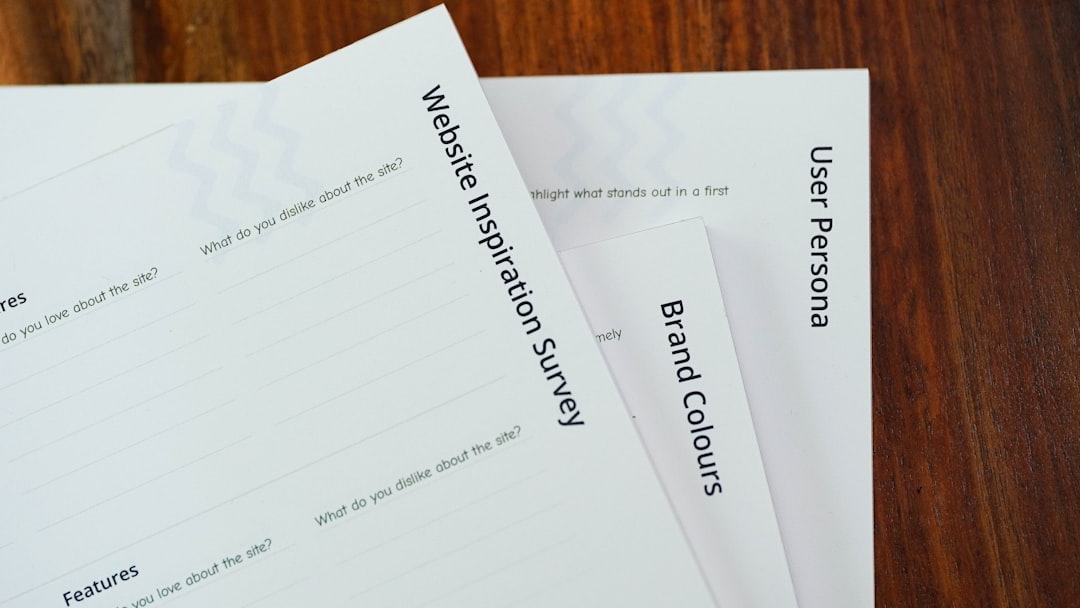
Once you have reviewed the data, summarize your findings in a clear buyer profile. Include the buyer’s likely role, main problem, urgency level, decision criteria, preferred content, common objections, and strongest conversion triggers. This profile should be evidence-based, not aspirational.
A practical profile might state: “Our strongest buyers are operations leaders at growing service companies who arrive through problem-based search, read process improvement content, compare service pages, and request consultations after reviewing case studies. They care about reliability, implementation speed, and measurable efficiency gains.”
This kind of profile is useful because it connects identity, motivation, and behavior. It can guide content strategy, advertising, sales scripts, landing pages, and product positioning.
Keep Refining Your Understanding
Target buyers change as markets, products, and customer expectations evolve. Review website signals regularly rather than treating buyer identification as a one-time project. Monthly or quarterly analysis can reveal shifts in demand, new objections, emerging audience segments, or changes in conversion quality.
The most reliable approach is to combine quantitative evidence with qualitative judgment. Analytics can show what people do; form responses and sales conversations can help explain why they do it. Together, these signals provide a disciplined way to identify your target buyer and focus your marketing on the people most likely to value what you offer.

