
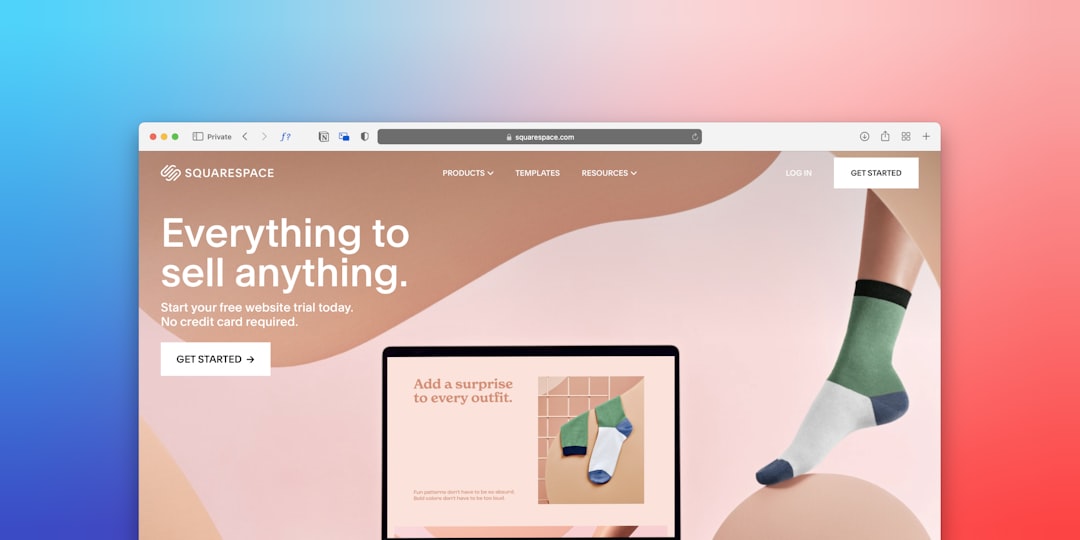
Strong website copy does more than describe a product or service; it guides visitors toward a decision. The best converting examples combine clarity, relevance, proof, and a strong reason to act. Whether a brand sells software, coaching, ecommerce products, or professional services, its copy must quickly answer one question: why should the visitor care?
TLDR: Website copy that converts is usually clear, specific, benefit-driven, and supported by trust signals. High-performing examples often use sharp headlines, customer-focused messaging, proof points, and direct calls to action. The most effective copy avoids vague claims and instead shows visitors what outcome they can expect. Brands that test, simplify, and personalize their messaging usually see stronger results.
Contents
- 1 What Makes Website Copy Convert?
- 2 Example 1: A Clear Hero Section
- 3 Example 2: Benefit-Focused Product Copy
- 4 Example 3: Service Page Copy That Builds Trust
- 5 Example 4: Social Proof That Feels Real
- 6 Example 5: Calls to Action With Low Friction
- 7 Example 6: Problem-Solution Copy
- 8 Example 7: Pricing Page Copy That Reduces Doubt
- 9 Common Traits of High-Converting Website Copy
- 10 FAQ
What Makes Website Copy Convert?
Conversion-focused website copy is not simply persuasive writing. It is strategic communication built around a visitor’s needs, objections, and desired outcome. A visitor may arrive curious, skeptical, distracted, or ready to buy. Effective copy meets that visitor at the right stage and moves the decision forward.
Strong copy usually includes several core elements:
- A clear headline that explains the main value quickly.
- Benefit-led messaging that focuses on outcomes rather than features alone.
- Specific proof, such as testimonials, statistics, reviews, or case study results.
- A simple structure that makes the page easy to scan.
- A direct call to action that tells visitors what to do next.
Copy that converts also tends to remove friction. It answers common questions, reduces uncertainty, and makes the next step feel safe and worthwhile.
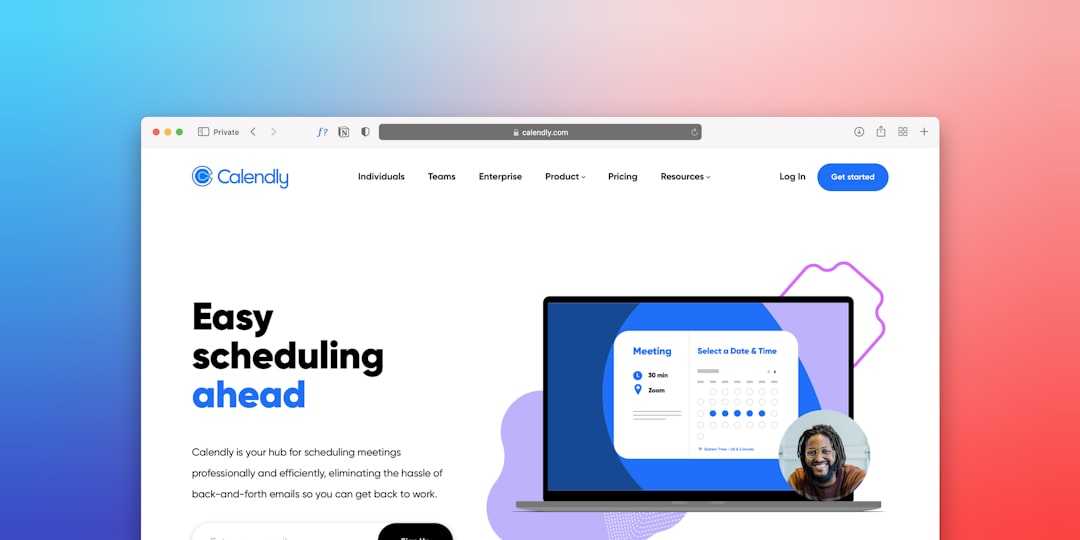
Example 1: A Clear Hero Section
The hero section is often the first major conversion opportunity on a page. A weak hero headline might say, “Innovative Solutions for Modern Businesses.” While polished, that statement is broad and forgettable. A stronger version might say, “Book More Sales Calls in 30 Days With Automated Lead Follow-Up.”
The second headline works better because it is specific. It identifies the audience, the outcome, and the mechanism. It gives visitors a clear reason to keep reading. A supporting subheading could add, “A done-for-you email and SMS system that helps service businesses respond faster, nurture leads, and recover missed opportunities.”
This type of copy converts because it does not force visitors to decode the offer. It immediately connects the product or service to a measurable business result.
Example 2: Benefit-Focused Product Copy
Product pages often lose conversions when they list features without explaining why those features matter. For example, an ecommerce brand selling a travel backpack might write, “Includes multiple compartments, waterproof fabric, and padded straps.” Those details are useful, but they become stronger when connected to benefits.
A more persuasive version could read: “Pack for a weekend trip without digging through clutter. Waterproof compartments keep essentials dry, while padded straps make airport sprints and city walks more comfortable.”
This copy helps the visitor imagine ownership. Instead of describing the backpack as an object, it presents the experience of using it. Conversion-focused product copy often blends practical details with sensory or situational language.
Example 3: Service Page Copy That Builds Trust
Service businesses must overcome a different challenge: risk. Visitors often wonder whether the provider is reliable, experienced, and worth the investment. Generic copy such as “High-quality marketing services tailored to client needs” rarely creates confidence.
A stronger service page might say: “A conversion copywriting service for SaaS teams that need clearer messaging, stronger landing pages, and fewer wasted ad clicks.” This states who the service is for, what it improves, and why it matters.
Trust can be strengthened with proof directly below the copy:
- “Trusted by 120+ B2B software teams.”
- “Average landing page conversion lift: 28% across recent projects.”
- “Includes research, positioning, wireframe copy, and two revision rounds.”
Specifics make a service feel concrete. They also reduce the visitor’s need to guess what is included.

Example 4: Social Proof That Feels Real
Testimonials are common, but not all testimonials convert. A vague quote such as “Great service, highly recommend” offers little persuasive value. A stronger testimonial includes context, a problem, and a result.
For example: “Before working with the team, the company’s demo page had plenty of traffic but few bookings. After the rewrite, demo requests increased by 34% in six weeks.”
This example works because it tells a miniature story. It explains the before state, the action taken, and the outcome. Visitors are more likely to believe testimonials that sound specific and grounded in a real experience.
Example 5: Calls to Action With Low Friction
A call to action should match the visitor’s level of intent. On a pricing page, “Start Free Trial” may work well because the visitor is already considering a purchase. On an educational blog post, a softer CTA such as “Download the Free Checklist” may convert better.
Strong CTA copy often includes action and value. Instead of “Submit,” a button might say “Get My Free Audit”, “See Pricing Options”, or “Build a Custom Plan.” These phrases tell visitors what they will receive, not merely what action they must take.
Microcopy near the CTA can also reduce hesitation. A short line such as “No credit card required”, “Takes less than two minutes”, or “Cancel anytime” can remove a key objection at the exact moment of decision.
Example 6: Problem-Solution Copy
One reliable structure for converting copy is the problem-solution format. It begins by naming a frustration the visitor recognizes, then introduces the product or service as the path forward.
For a project management tool, weak copy might say, “A powerful platform for team productivity.” Stronger copy might say: “Stop losing tasks in chat threads. Keep projects, deadlines, files, and approvals in one shared workspace.”
This version is effective because it names a real pain point. It presents the product as a practical solution rather than an abstract productivity platform.

Example 7: Pricing Page Copy That Reduces Doubt
Pricing pages convert best when they help visitors choose confidently. A confusing pricing page can create comparison fatigue. Clear copy guides visitors toward the right plan with labels, brief descriptions, and reassurance.
For example, a pricing table might use plan descriptions such as:
- Starter: Best for solo founders validating an offer.
- Growth: Best for teams that need automation, reporting, and integrations.
- Scale: Best for companies managing multiple teams, permissions, and advanced workflows.
These explanations help visitors identify themselves. Good pricing copy also clarifies what happens after purchase, whether support is included, and whether there is a guarantee or trial.
Common Traits of High-Converting Website Copy
Across industries, the best website copy examples share similar traits. They are easy to understand, focused on the visitor, and supported by evidence. They avoid empty adjectives such as best, innovative, and world-class unless those claims are proven.
High-converting copy also uses hierarchy. Headlines communicate the big idea. Subheadings clarify the promise. Bullets make benefits scannable. Testimonials and statistics support belief. Calls to action create momentum.
Most importantly, effective copy sounds like it was written for a specific person with a specific problem. When visitors feel understood, they are more likely to trust the page and take action.
FAQ
What is website copy that converts?
Website copy that converts is written to encourage a measurable action, such as a purchase, signup, booking, download, or inquiry. It combines clear messaging, benefits, proof, and a strong call to action.
What is the most important part of conversion copy?
The headline is often the most important starting point because it determines whether visitors keep reading. However, proof, offer clarity, and CTA placement also play major roles.
How can a business improve weak website copy?
A business can improve weak copy by making claims more specific, focusing on customer outcomes, adding proof, simplifying page structure, and replacing vague CTAs with action-oriented language.
Should website copy be short or long?
The right length depends on the offer, price, and visitor awareness. Simple offers may need short copy, while complex or expensive offers often require more explanation, proof, and objection handling.
Why do examples help with writing better copy?
Examples show how strategy works in context. They make it easier to see how headlines, benefits, testimonials, and calls to action can be shaped to increase trust and conversions.

