

Running an online store can look simple from the outside: products are listed, customers place orders, and packages are shipped. Behind the scenes, however, every ecommerce business faces risks involving inventory, data, delivery, advertising, customer injuries, product defects, vendor disputes, and cyberattacks. Business insurance helps online retailers protect their finances, reputation, and operations when something goes wrong.
TLDR: Ecommerce businesses need insurance because online selling carries legal, financial, cyber, and operational risks. The most important policies often include general liability, product liability, cyber liability, commercial property, business interruption, workers’ compensation, and professional liability insurance. The right mix depends on what the store sells, where it operates, whether it stores inventory, and how it handles customer data. A well-planned insurance package can help an online store recover faster from lawsuits, data breaches, damaged goods, or unexpected shutdowns.
Contents
- 1 Why Ecommerce Businesses Need Insurance
- 2 1. General Liability Insurance
- 3 2. Product Liability Insurance
- 4 3. Cyber Liability Insurance
- 5 4. Commercial Property Insurance
- 6 5. Business Interruption Insurance
- 7 6. Workers’ Compensation Insurance
- 8 7. Professional Liability Insurance
- 9 8. Commercial Auto Insurance
- 10 9. Inland Marine Insurance
- 11 10. Directors and Officers Insurance
- 12 11. Employment Practices Liability Insurance
- 13 How Online Stores Can Choose the Right Coverage
- 14 Common Mistakes Ecommerce Businesses Make With Insurance
- 15 Final Thoughts
- 16 FAQ
- 16.1 What insurance does an ecommerce business need first?
- 16.2 Does a home-based online store need business insurance?
- 16.3 Is product liability insurance necessary for dropshipping?
- 16.4 Does cyber insurance matter if payments are handled by a third party?
- 16.5 How often should an ecommerce business review its insurance?
- 16.6 Can insurance be required by ecommerce marketplaces or partners?
Why Ecommerce Businesses Need Insurance
An ecommerce company may not have a traditional storefront, but it still has exposure to many of the same risks as a physical retailer. A product may injure a customer, a warehouse fire may destroy inventory, a hacker may steal payment information, or a shipment delay may lead to a costly dispute. Even small online sellers can face expensive claims that threaten cash flow.
Insurance does not prevent problems from happening, but it can reduce the financial damage when they do. For ecommerce brands that want to grow sustainably, insurance is not just a compliance checkbox. It is part of responsible risk management.

1. General Liability Insurance
General liability insurance is one of the most common business insurance policies for online retailers. It typically helps cover claims involving third-party bodily injury, property damage, and personal or advertising injury.
For example, if an ecommerce business attends a pop-up market and a customer trips over its display table, general liability may help pay for medical costs or legal expenses. It may also help if a business is accused of damaging rented office space or using wording in an advertisement that allegedly harms another company’s reputation.
Although ecommerce companies operate online, many still interact with customers, suppliers, landlords, photographers, fulfillment partners, and event organizers. Because of that, general liability is often considered a foundational policy.
2. Product Liability Insurance
Product liability insurance is especially important for ecommerce businesses that sell physical goods. If a product causes injury, illness, or property damage, the seller may be named in a claim even if the product was manufactured by someone else.
This coverage may apply to issues such as:
- Defective products that break or malfunction
- Incorrect labeling or missing safety warnings
- Contaminated items, including food, cosmetics, or supplements
- Design flaws that make a product unsafe
- Imported goods where the overseas manufacturer is difficult to pursue legally
Product liability risks are higher for categories such as children’s products, electronics, beauty products, fitness equipment, health goods, pet products, and food items. However, almost any physical product can create exposure. A single serious claim can cost far more than years of insurance premiums.
3. Cyber Liability Insurance
Ecommerce businesses collect and process sensitive information, including names, addresses, passwords, order histories, and payment details. Even if a third-party payment processor handles card data, the online store may still be responsible for protecting customer information and responding to a breach.
Cyber liability insurance can help cover costs related to data breaches, ransomware attacks, phishing scams, privacy violations, and system intrusions. Depending on the policy, it may help with:
- Customer notification costs
- Credit monitoring services
- Legal fees and regulatory defense
- Data recovery
- Ransomware response
- Public relations support
- Business income loss caused by cyber downtime
Cyber coverage is becoming increasingly important because online retailers are attractive targets. They often rely on websites, apps, email systems, inventory platforms, customer databases, and marketing tools. A successful attack can interrupt sales and damage customer trust very quickly.

4. Commercial Property Insurance
Even a fully online business has property to protect. Commercial property insurance may cover business-owned assets such as inventory, computers, furniture, packaging materials, photography equipment, shelving, and office equipment.
Covered events often include fire, theft, vandalism, wind, and certain types of water damage, depending on the policy. For ecommerce sellers that store products at home, in a rented office, in a warehouse, or with a fulfillment partner, property coverage is worth careful review.
Many online business owners mistakenly assume that a homeowners or renters policy will cover business inventory stored at home. In many cases, personal insurance provides limited or no coverage for business property. A dedicated commercial policy can close that gap.
5. Business Interruption Insurance
Business interruption insurance, also called business income insurance, may help replace lost income if a covered event temporarily stops operations. It is often added to a commercial property policy.
For example, if a fire damages an ecommerce seller’s storage space and prevents orders from being shipped, business interruption coverage may help with lost profits, rent, payroll, and other ongoing expenses while the company recovers.
This coverage is particularly useful for businesses that depend on physical inventory, specialized equipment, or a specific location. While it may not cover every type of shutdown, such as all supplier delays or platform outages, it can be valuable when property damage directly disrupts sales.
6. Workers’ Compensation Insurance
Once an ecommerce business hires employees, workers’ compensation insurance often becomes legally required. Requirements vary by location, but many jurisdictions mandate coverage even for small teams.
Workers’ compensation helps pay for medical expenses, rehabilitation costs, and lost wages if an employee is injured or becomes ill because of work. In an ecommerce setting, injuries may occur while lifting boxes, packing orders, using warehouse equipment, driving for business purposes, or performing repetitive computer tasks.
This coverage protects employees while also helping the business avoid major out-of-pocket costs and potential penalties for noncompliance.
7. Professional Liability Insurance
Professional liability insurance, also known as errors and omissions insurance, may be important for ecommerce businesses that provide advice, design, consulting, subscriptions, digital services, or customized recommendations.
For example, an online store selling skincare products might offer personalized routines. A business selling fitness programs, digital templates, or instructional courses may also provide guidance customers rely on. If a customer claims that professional advice, a digital product, or a service caused financial loss or harm, professional liability coverage may help pay legal defense costs and settlements.
This insurance is not only for consultants. Many modern ecommerce brands combine products, content, memberships, and services, making this coverage increasingly relevant.
8. Commercial Auto Insurance
If an ecommerce company uses vehicles for business purposes, commercial auto insurance may be necessary. Personal auto policies often exclude claims that happen during business use.
This coverage may apply when employees or owners use vehicles to deliver products, pick up inventory, transport equipment to events, or travel between warehouses and offices. If the business does not own vehicles but employees use personal cars for work errands, hired and non-owned auto insurance may be worth considering.
9. Inland Marine Insurance
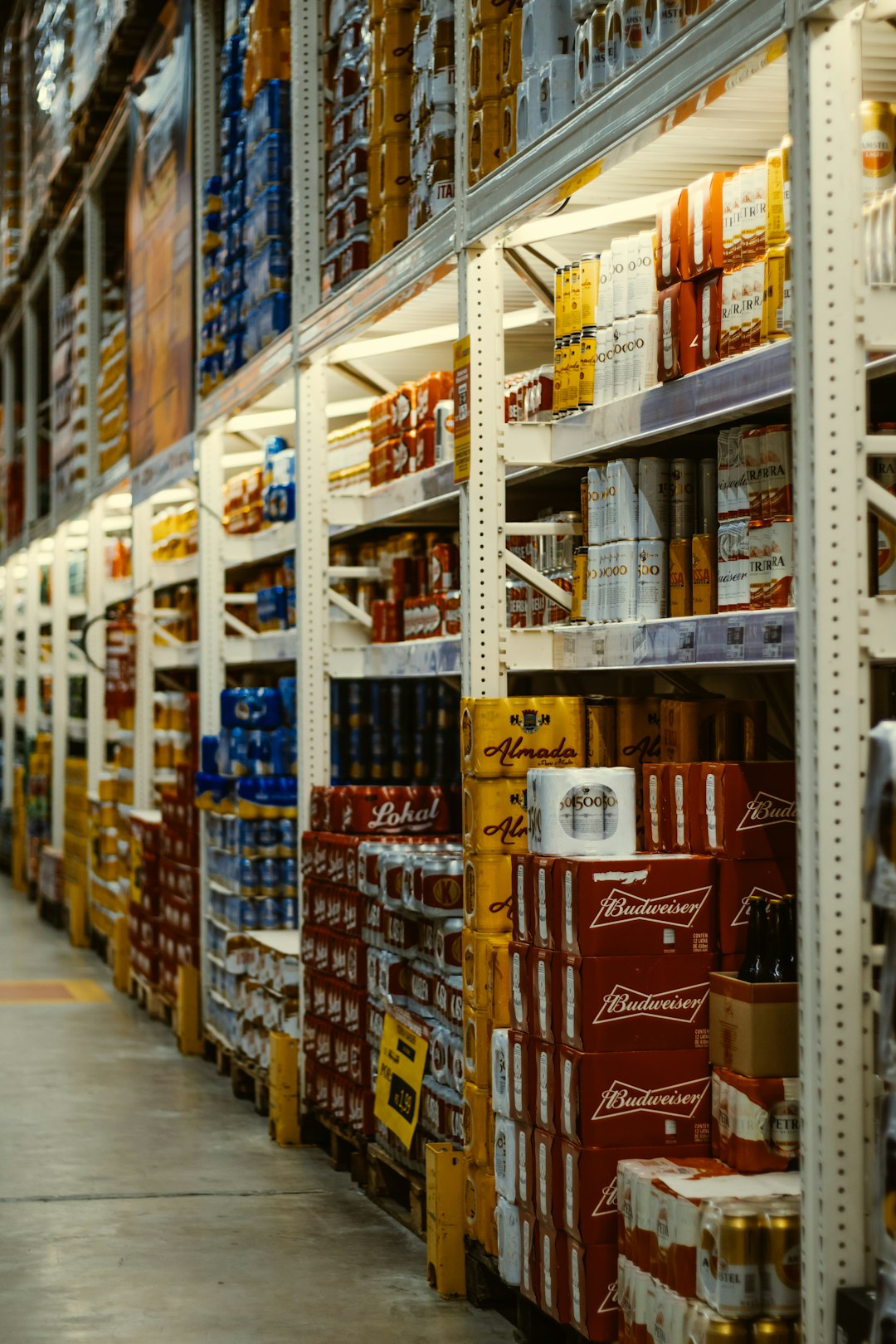
The name can be confusing, but inland marine insurance often covers business property while it is in transit or temporarily stored away from the main business location. For ecommerce retailers, this can be useful when goods move between suppliers, warehouses, fulfillment centers, trade shows, photo studios, and customers.
Shipping carriers may provide limited coverage, but it may not fully reimburse the value of lost or damaged merchandise. Ecommerce businesses that ship high-value products, fragile goods, electronics, jewelry, art, or specialized equipment may need broader protection.
10. Directors and Officers Insurance
Directors and officers insurance, often called D&O insurance, protects company leaders from certain claims related to management decisions. It is more common for ecommerce startups with investors, boards, or outside funding.
Claims may involve alleged mismanagement, breach of fiduciary duty, financial misrepresentation, or disputes with shareholders. For a fast-growing ecommerce brand seeking investment, D&O coverage can make the company more attractive to investors and help protect leadership from personal financial exposure.
11. Employment Practices Liability Insurance
As an ecommerce business expands, employee-related claims become more likely. Employment practices liability insurance, or EPLI, may help protect against claims involving discrimination, harassment, wrongful termination, retaliation, wage disputes, or failure to promote.
Even a small remote team can face employment-related disputes. Clear policies, proper documentation, and training are important, but EPLI adds another layer of financial protection.
How Online Stores Can Choose the Right Coverage
No single insurance package fits every ecommerce business. A store that sells handmade candles from a home studio has different risks than a company importing electronics and shipping thousands of orders each month.
When comparing insurance options, ecommerce businesses should consider:
- Product type: Some goods carry higher injury, defect, or regulatory risks.
- Sales volume: Higher revenue often means higher exposure.
- Inventory value: More stock may require stronger property coverage.
- Business location: Insurance requirements vary by state, province, or country.
- Employees: Hiring staff may trigger workers’ compensation and employment liability needs.
- Data collection: More customer data increases cyber risk.
- Fulfillment model: Dropshipping, third-party logistics, and self-fulfillment create different exposures.
- Contracts: Marketplaces, landlords, vendors, and partners may require specific policies.
It is also wise for online retailers to review policy exclusions, coverage limits, deductibles, and claims procedures. The cheapest policy may not provide enough protection when a serious problem occurs.
Common Mistakes Ecommerce Businesses Make With Insurance
Many ecommerce sellers wait too long to buy insurance or assume that small size means low risk. In reality, lawsuits and losses can happen at any stage. Another common mistake is relying only on marketplace protections or supplier agreements. While these may help in some situations, they usually do not replace a dedicated business insurance policy.
Other mistakes include underinsuring inventory, ignoring cyber risk, failing to update coverage after growth, and not checking whether imported products are covered. Insurance should evolve as the business grows. A company that adds employees, enters new markets, launches new product categories, or signs major wholesale contracts should revisit its coverage.
Final Thoughts
Ecommerce business insurance is not only about preparing for worst-case scenarios. It is about building a stable foundation for growth. The right coverage can help an online store handle unexpected events without draining savings, disrupting operations, or damaging long-term customer relationships.
For many online retailers, a strong insurance plan begins with general liability, product liability, cyber liability, property coverage, and business interruption insurance. As the business grows, additional policies such as workers’ compensation, professional liability, commercial auto, inland marine, D&O, and EPLI may become essential. By understanding these options, ecommerce businesses can make better decisions and protect the value they are working hard to build.
FAQ
What insurance does an ecommerce business need first?
Many ecommerce businesses start with general liability insurance and product liability insurance. Stores that collect customer data should also strongly consider cyber liability insurance.
Does a home-based online store need business insurance?
Yes. A home-based ecommerce business may still need coverage for inventory, customer claims, product defects, cyber incidents, and business equipment. Personal homeowners or renters insurance often provides limited business protection.
Is product liability insurance necessary for dropshipping?
It can be very important. Even if another company manufactures or ships the product, the ecommerce seller may still be named in a lawsuit if a customer is injured or suffers property damage.
Does cyber insurance matter if payments are handled by a third party?
Yes. Third-party payment processors reduce some risk, but ecommerce stores may still store customer names, addresses, login details, order histories, and other sensitive information.
How often should an ecommerce business review its insurance?
An online store should review insurance at least once a year and whenever it launches new products, hires employees, changes suppliers, expands locations, or increases inventory significantly.
Can insurance be required by ecommerce marketplaces or partners?
Yes. Some marketplaces, wholesalers, landlords, fulfillment centers, and retail partners may require proof of specific insurance coverage before doing business with an online seller.

