
DIY culture loves a good surprise. One day everyone is painting plant pots. The next day they are building tiny shelves from scrap wood. Now a new craft is stepping into the spotlight. It is called Rodwajlery. It sounds strange at first. But that is part of the fun.
TLDR: Rodwajlery is a playful DIY style that mixes rods, wire, beads, found objects, and jewelry ideas into bold handmade pieces. It is easy to start, cheap to try, and wide open for personal style. You can make wall art, wearable pieces, home decor, gifts, and weird little treasures. That is why it may become the next big thing in DIY culture.
Contents
- 1 So, what is Rodwajlery?
- 2 Why DIY fans are ready for it
- 3 It is cheap to start
- 4 It turns trash into treasure
- 5 It looks great on social media
- 6 It can be tiny or huge
- 7 It is easy, but never boring
- 8 It welcomes every style
- 9 It is a great group activity
- 10 The beginner project: a Rodwajlery charm
- 11 Why it feels fresh
- 12 It has gift power
- 13 It can become a small business
- 14 A few safety tips
- 15 The future of Rodwajlery
So, what is Rodwajlery?
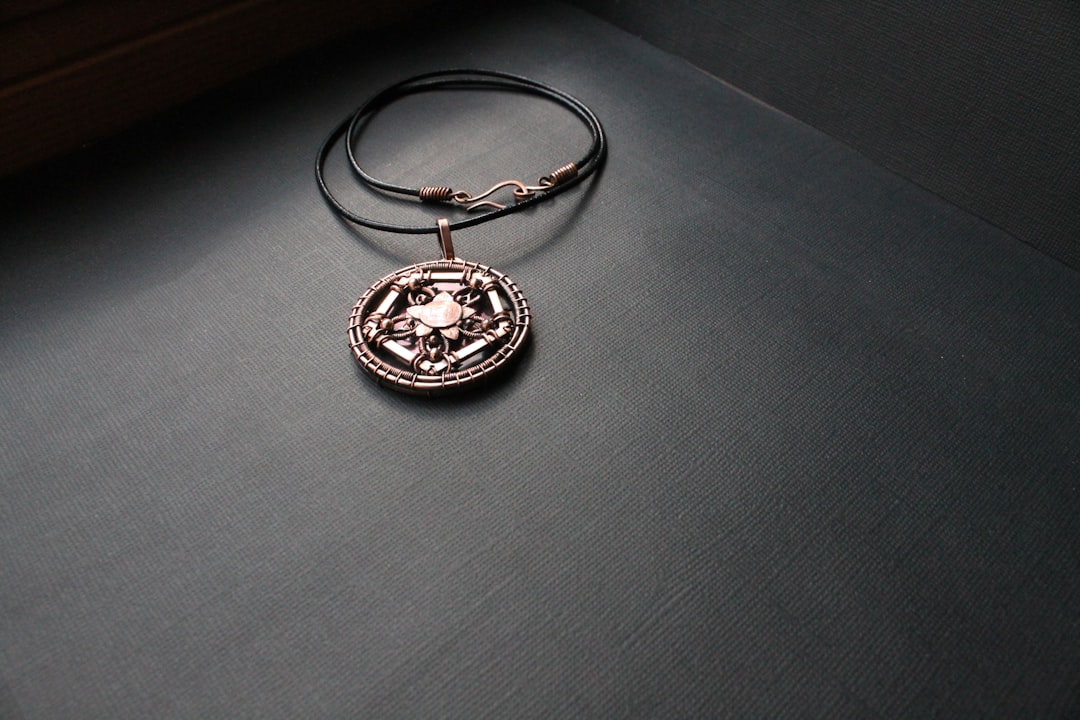
Rodwajlery is a mix of rod work and jewelry thinking. Think of it as crafting with small rods, metal wire, wooden sticks, plastic tubes, beads, charms, and rescued bits from old items. You bend them. You wrap them. You connect them. You turn them into something cool.
It can be a necklace. It can be a tiny hanging sculpture. It can be a keychain. It can be a wall piece. It can even be a lamp shade frame with beads and color.
The best part is this. There are no strict rules. If it has shape, line, sparkle, texture, or motion, it can belong in Rodwajlery.
It is crafty. It is messy. It is stylish. It is a little odd. That is the magic.
Why DIY fans are ready for it
DIY culture is not just about saving money. It is about making things that feel personal. People want objects with a story. They want gifts that do not look like they came from a big box store. They want decor that says, “Yes, I made this, and yes, I am proud.”
Rodwajlery fits that mood very well.
- It uses simple materials.
- It works for beginners.
- It can look fancy fast.
- It is easy to customize.
- It makes use of leftover supplies.
You do not need a giant workshop. You do not need rare tools. You do not need to be an “artist” with a serious face and paint on your elbows. You just need a few pieces, a little patience, and a playful brain.
It is cheap to start
Many hobbies have a scary first step. You look up the supplies. Then your wallet runs away. Rodwajlery is different.
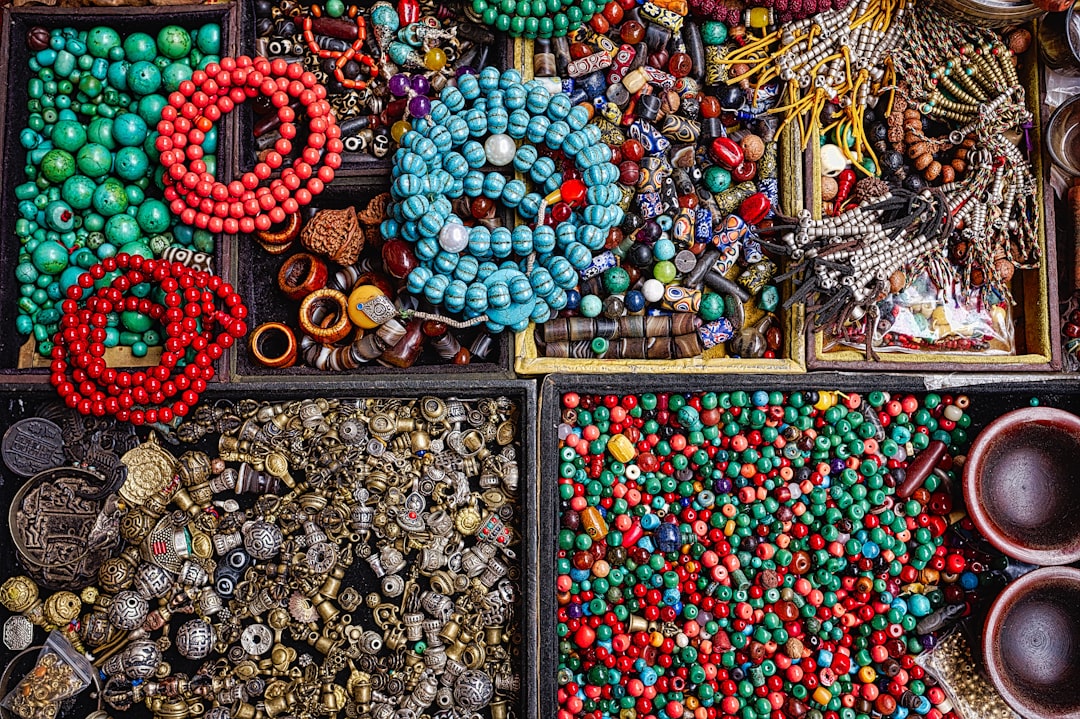
You can begin with things you may already have at home. Old bangles. Broken necklaces. Chopsticks. Garden wire. Paper clips. Wooden skewers. Curtain rings. Buttons. Bottle caps. Tiny toys. Even parts from a broken umbrella can become useful.
Here is a simple starter kit:
- Thin wire for wrapping and joining.
- Small rods like wooden dowels or skewers.
- Pliers for bending and gripping.
- Strong glue for extra hold.
- Beads or charms for decoration.
- Paint or markers for color.
That is enough for your first project. No drama. No giant receipt. No need to explain to your family why you bought a machine the size of a microwave.
It turns trash into treasure
Rodwajlery has a strong upcycling soul. This is one reason it feels so modern. People care more about waste now. They want to reuse things. They want to cut down on buying new stuff.
With Rodwajlery, broken items are not useless. They are raw material.
A snapped necklace becomes a charm chain. A bent coat hanger becomes a frame. A cracked bracelet becomes a set of spacers. A lonely earring becomes the centerpiece of a wall hanging.
This gives every piece a tiny history. Your project is not just pretty. It has a past life. That makes it richer.
Let us be honest. Some crafts are fun to make, but hard to show. Rodwajlery is not one of them. The shapes are bold. The lines are clear. The colors pop. The materials catch light.
It is perfect for short videos and progress photos.
- Show a pile of random stuff.
- Bend wire into a shape.
- Add rods and beads.
- Paint one part gold.
- Reveal the finished piece.
Boom. That is a satisfying post. People love seeing chaos become beauty. Rodwajlery gives them that in a very clear way.
It also works well for before and after content. A boring pile of junk becomes a shiny mobile. A few wooden sticks become a geometric necklace. A drawer of broken accessories becomes a new art piece.
It can be tiny or huge
Some crafts feel locked into one size. Not this one. Rodwajlery can be small enough to sit in your palm. It can also be big enough to fill a wall.
You can make:
- Earrings with tiny rods and beads.
- Bracelets with wrapped wire and charms.
- Keychains with bold mini shapes.
- Plant hangers with rods and thread.
- Wall art with geometric frames.
- Mobiles that move in the air.
- Table decor for parties and holidays.
This makes it great for many moods. Want a quick craft after dinner? Make a charm. Want a weekend project? Build a hanging sculpture. Want a handmade gift? Make a custom necklace or sun catcher.
Image not found in postmetaIt is easy, but never boring
Rodwajlery has a low entry point. That means beginners can enjoy it fast. You can make a simple triangle pendant in under an hour. You can wrap a rod with thread and beads. You can create a tiny charm from wire and buttons.
But the craft can also grow with you.
Once you feel brave, you can try more complex ideas. You can make layered shapes. You can mix wood and metal. You can add fabric. You can use balance and motion. You can create pieces that spin, sway, or cast shadows.
That balance matters. A great DIY trend needs to be easy at first. But it also needs room to improve. Rodwajlery has both.
It welcomes every style
Some crafts have a strong look. Macrame often feels soft and boho. Resin art can feel glossy and bold. Embroidery can feel delicate. Rodwajlery can wear many outfits.
It can be minimal. Use black wire and pale wood. It can be maximal. Add beads, tassels, shells, and tiny mirrors. It can be industrial. Use metal rods, nuts, and spare hardware. It can be cute. Use pastel colors and little charms.
That means more people can see themselves in it.
A teen can make a room decoration. A parent can craft holiday ornaments with kids. A jewelry maker can create a new product line. A home decor fan can build a big wall piece.
Rodwajlery says, “Come as you are. Bring your weird buttons.”
It is a great group activity
Some crafts are lonely. Rodwajlery can be social. It works well at craft nights, birthday parties, community workshops, and family weekends.
Everyone can share supplies. One person may bring beads. Another may bring wire. Someone else may bring old curtain hooks and say, “Can we use these?” The answer is usually yes.
That shared pile becomes part of the fun. People trade pieces. They test ideas. They laugh when something looks strange. Then they fix it or make it even stranger.
It also works for kids, with safe supplies and supervision. Use pipe cleaners, paper straws, foam beads, and soft cord. For adults, bring out the pliers and stronger wire.
The beginner project: a Rodwajlery charm
If you want to try it, start small. Make a hanging charm. It can go on a bag, a keyring, a holiday tree, or a wall hook.
You will need:
- One small wooden skewer or dowel piece.
- A length of craft wire.
- Three to five beads.
- One old charm, button, or pendant.
- Pliers.
- Paint, if you want color.
Steps:
- Paint the rod and let it dry.
- Wrap wire around one end of the rod.
- Add beads to the wire.
- Loop the wire around the other end.
- Hang the charm from the middle.
- Make a small loop at the top.
That is it. You made your first Rodwajlery piece. Was it perfect? Maybe not. Was it fun? Very likely.
Why it feels fresh
Rodwajlery feels fresh because it mixes categories. It is not only jewelry. It is not only sculpture. It is not only home decor. It moves between them.
That makes it exciting. Today you can wear your piece. Tomorrow you can hang one on the wall. Next week you can make a gift set. The form keeps changing.
DIY culture loves flexible ideas. People like crafts that do not trap them. Rodwajlery gives makers permission to play. It rewards experiments. Even mistakes can look interesting.
A crooked bend may become a cool angle. A bead in the wrong place may add balance. A color clash may become the whole point.
It has gift power
Handmade gifts are special. But they can be tricky. You want them to look thoughtful, not random. Rodwajlery helps because each piece can be made for one person.
For a plant lover, make a leafy green hanging charm. For a music fan, add old guitar strings or small note shapes. For a beach person, use shells and pale blue beads. For a minimalist, keep it clean with one rod and one metal loop.
Personal details make the gift feel real. They also make it hard to copy. That is a big win.
It can become a small business
Many DIY trends grow because makers start selling their work. Rodwajlery has strong shop potential. The materials are affordable. The pieces can be light and easy to ship. The designs can be made in batches, but still feel unique.
A maker could sell earrings, ornaments, bag charms, wall hangings, curtain pulls, plant decor, or custom name pieces.
The key is to build a clear style. Use a color palette. Pick favorite materials. Create shapes people remember. Then take clean photos and explain the story behind each piece.
People like buying handmade items with personality. Rodwajlery has personality built in.
A few safety tips
Fun is better when nobody gets poked in the finger. So keep safety simple.
- Use pliers when bending stiff wire.
- Sand rough wooden ends.
- Keep sharp metal away from small kids.
- Use glue in a space with fresh air.
- Wear eye protection if cutting wire.
- Check wearable pieces for sharp edges.
Also, do not rush. Wire can snap. Glue needs time. Paint needs to dry. Your future self will thank you.
The future of Rodwajlery
Will Rodwajlery take over every craft table in the world? Maybe not. But it has all the signs of a strong DIY trend. It is affordable. It is visual. It is flexible. It supports upcycling. It works for beginners and skilled makers.
Most of all, it feels joyful.
In a world full of polished products, people want handmade charm. They want texture. They want objects that feel alive. Rodwajlery gives them that. It turns lines, loops, rods, and scraps into little moments of delight.
So the next time you find a broken necklace, a spare dowel, or a weird bit of wire, do not toss it. Put it in a box. Call it a future masterpiece. Then grab your pliers and start playing.
Rodwajlery is not just another craft. It is a permission slip. It says you can make beauty from odd things. You can build style from scraps. You can be neat, wild, simple, or strange.
And honestly, that is exactly what DIY culture needs next.

