
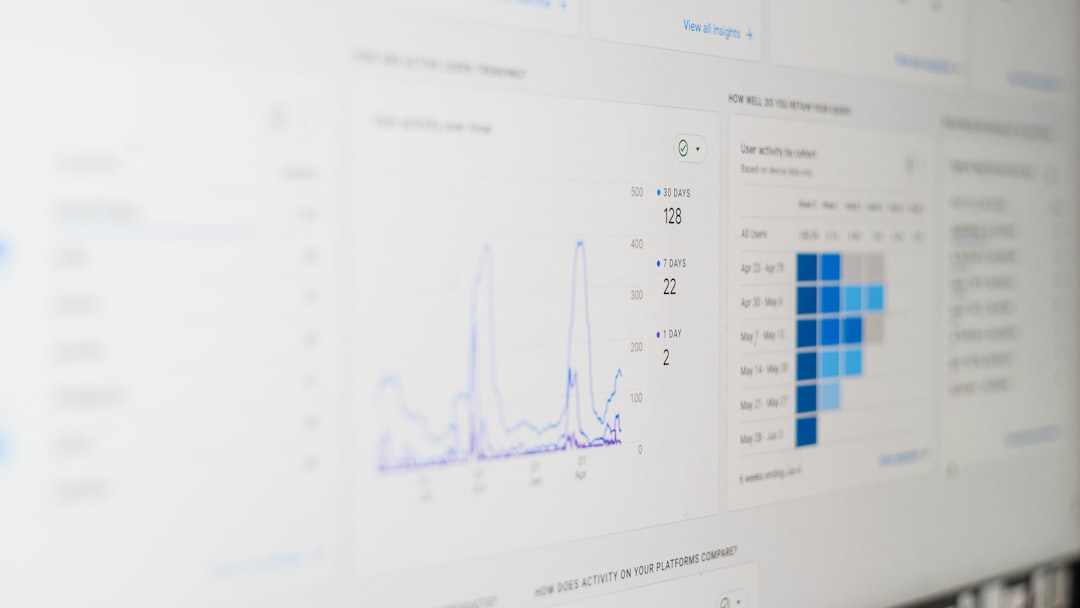
Google Analytics has become the analytical backbone of modern digital marketing. For agencies and analysts managing multiple clients, campaigns, and data sources, native reporting inside Google Analytics is rarely enough. Connectors—tools that extract, transform, and synchronize Google Analytics data into dashboards, data warehouses, spreadsheets, and BI platforms—are essential for visibility, automation, and strategic insight. Choosing the right connector can dramatically improve reporting accuracy, team productivity, and client satisfaction.
TLDR: The best Google Analytics connectors for agencies and analysts prioritize automation, reliability, scalability, and seamless integrations with BI and reporting platforms. Leading solutions include Supermetrics, Fivetran, Funnel.io, Windsor.ai, and native connectors for platforms like Looker Studio. The right choice depends on technical resources, budget, client volume, and reporting complexity. Agencies should evaluate connectors based on data freshness, transformation capabilities, security, and long-term scalability.
Contents
- 1 Why Google Analytics Connectors Matter
- 2 Key Features to Look for in a Google Analytics Connector
- 3 Top Google Analytics Connectors for Agencies and Analysts
- 4 Warehouse vs. Dashboard Connectors
- 5 Security and Compliance Considerations
- 6 Cost Evaluation and ROI
- 7 How to Choose the Right Connector
- 8 Final Thoughts
Why Google Analytics Connectors Matter
Agencies and analysts rarely operate in isolation with just one analytics tool. Instead, they manage:
- Multiple Google Analytics properties (GA4)
- Paid advertising platforms like Google Ads and Meta Ads
- CRM systems such as HubSpot or Salesforce
- Data warehouses like BigQuery or Snowflake
- Dashboard tools including Looker Studio, Power BI, or Tableau
Without connectors, teams are forced into manual exports, spreadsheet stitching, and static reporting. This increases the risk of reporting errors and drastically slows turnaround time.
Modern connectors automate:
- Data extraction
- Schema normalization
- Data blending and attribution alignment
- Scheduled refreshes
- Error monitoring and alerting
The result is accurate, near real-time performance visibility across clients and campaigns.
Key Features to Look for in a Google Analytics Connector
Before comparing tools, agencies should define evaluation criteria. Not all connectors are built equally, and feature differences significantly impact workflow efficiency.
1. GA4 Compatibility
Universal Analytics has sunset, making full GA4 support mandatory. Ensure the connector supports event-based schemas, custom dimensions, ecommerce metrics, and calculated fields.
2. Data Freshness and Scheduling
Agencies managing paid acquisition campaigns require frequent updates. Look for:
- Hourly data refresh options
- Custom scheduling
- Near real-time updates (where supported)
3. Multi-Source Integration
The real power lies in blending GA data with ad spend, CRM conversions, and revenue data. Top connectors support extensive marketing and sales integrations, not just Google Analytics alone.
4. Data Transformation Capabilities
Advanced connectors allow:
- Field mapping
- Custom metric creation
- UTM normalization
- Currency conversion
This is particularly important for agencies with international clients.
5. Scalability and Access Control
Multi-client agencies need workspace separation, user permissions, and the ability to scale without exponential cost increases.
Top Google Analytics Connectors for Agencies and Analysts
1. Supermetrics
Best for: Agencies focused on Looker Studio, Google Sheets, BigQuery, and Excel reporting.
Supermetrics is one of the most established marketing data connectors on the market. It integrates Google Analytics (including GA4) into a wide range of reporting tools.
Strengths:
- Strong integration with Looker Studio
- User-friendly interface
- Extensive marketing platform coverage
- Flexible scheduling
Limitations:
- Pricing can increase quickly with multiple accounts
- Advanced transformation may require additional configuration
For mid-size agencies producing recurring client dashboards, Supermetrics remains a reliable and widely adopted choice.
2. Fivetran
Best for: Data-driven teams with warehouse infrastructure.
Fivetran specializes in automated data pipelines into data warehouses like Snowflake, BigQuery, and Redshift. It is engineered for scalability and enterprise reliability.
Strengths:
- Automated schema management
- Strong reliability and uptime
- Minimal manual intervention
- Enterprise-grade security
Limitations:
- Higher cost compared to dashboard-focused connectors
- Requires warehouse infrastructure
For agencies running advanced attribution models, predictive analytics, or centralized BI strategies, Fivetran offers unmatched robustness.

3. Funnel.io
Best for: Agencies managing complex multi-channel marketing data.
Funnel.io emphasizes data normalization and marketing performance reporting across numerous advertising platforms.
Strengths:
- Excellent data harmonization tools
- Clean interface for marketing teams
- Strong governance controls
Limitations:
- Premium pricing tier
- May provide more sophistication than small teams require
Funnel is especially useful for agencies consolidating paid media and GA4 performance into unified ROI dashboards.
4. Windsor.ai
Best for: Agencies focused on marketing attribution modeling.
Windsor.ai integrates Google Analytics data with advertising platforms and applies multi-touch attribution modeling.
Strengths:
- Attribution modeling features
- Wide marketing integrations
- Affordable entry-level plans
Limitations:
- Interface less streamlined than some competitors
- Advanced setup may require experience
It is particularly useful for performance marketing agencies seeking deeper insight into channel contributions.
5. Native Looker Studio Connector
Best for: Small teams and solo analysts.
Google provides a built-in GA4 connector for Looker Studio (formerly Data Studio). While limited compared to third-party connectors, it offers a no-cost starting point.
Strengths:
- Free and easy to use
- Direct GA4 integration
- Ideal for basic dashboards
Limitations:
- Less flexible blending capabilities
- Sampling issues under high data volumes
- Limited transformation features
This option works well for internal performance tracking but may not be sufficient for multi-client agency scalability.
Warehouse vs. Dashboard Connectors
When selecting a Google Analytics connector, agencies typically choose between two models:
Dashboard-Based Connectors
- Directly feed tools like Looker Studio or spreadsheets
- Faster to deploy
- Lower technical requirements
Data Warehouse Connectors
- Pipe data into centralized databases
- Support advanced analytics and modeling
- Require technical implementation

Strategic insight: Agencies anticipating growth should consider building around a warehouse architecture early. While more complex, it prevents migration challenges later.
Security and Compliance Considerations
Marketing agencies handle sensitive performance and customer data. Connectors must comply with:
- GDPR and privacy regulations
- Secure authentication protocols (OAuth 2.0)
- Data encryption standards
- Role-based access control
Enterprise clients increasingly demand proof of compliance before onboarding agencies. Choosing a secure connector is not merely operational—it is reputational.
Cost Evaluation and ROI
Connector pricing models vary widely:
- Per account or data source pricing
- Usage-based billing
- Row-based warehouse pricing
- Flat monthly subscription tiers
Agencies should calculate:
- Time saved per report
- Reduction in human errors
- Ability to scale clients without increasing headcount
- Improved client retention via better reporting clarity
In many cases, automation ROI becomes apparent within months, especially for agencies generating recurring monthly performance reports.
How to Choose the Right Connector
To make a sound decision, agencies should follow a structured process:
- Audit internal workflows – Identify inefficiencies in current reporting systems.
- Define growth expectations – Will client volume double within two years?
- Assess technical capability – Is there an internal data engineer?
- Run a trial implementation – Test with one or two clients first.
- Measure performance improvements – Evaluate speed, accuracy, and client feedback.
Choosing impulsively based on price alone often leads to migration and cost challenges later.
Final Thoughts
Google Analytics connectors are no longer optional tools for serious agencies and analysts. They are foundational infrastructure enabling:
- Reliable client reporting
- Scalable multi-account management
- Accurate attribution modeling
- Strategic performance forecasting
The best connector is not universally defined—it depends on operational maturity, client complexity, and long-term growth plans. For dashboard-centric agencies, tools like Supermetrics provide efficiency and familiarity. For enterprise-grade analytics operations, Fivetran or similar warehouse connectors offer long-term scalability. Meanwhile, specialized platforms like Funnel.io and Windsor.ai bring advanced marketing data harmonization and attribution capabilities.
Ultimately, agencies that invest in dependable data infrastructure gain more than reporting automation. They gain credibility, insight precision, and a measurable competitive advantage in an increasingly data-driven industry.

