
YouTube creators often hear conflicting advice about how frequently they should upload. Some say daily uploads are the key to explosive growth, while others warn that posting too much can “confuse the algorithm” and tank your channel. So what’s the truth? Does uploading a lot of videos actually hurt the YouTube algorithm—or is that just another myth that circulates in creator communities?
TLDR: Uploading a lot of videos does not directly hurt the YouTube algorithm. However, publishing more content than your audience can consume—or more than you can maintain in terms of quality—can negatively impact performance metrics like click-through rate and watch time. YouTube rewards viewer satisfaction, not sheer volume. The key is consistency and value, not just frequency.
Contents
- 1 Understanding How the YouTube Algorithm Actually Works
- 2 The Myth: “Too Many Videos Confuse the Algorithm”
- 3 How Uploading a Lot Can Indirectly Hurt Performance
- 4 When Uploading More Can Actually Help
- 5 Consistency vs. Frequency
- 6 Does It Matter If You’re a Small or Large Channel?
- 7 How the Algorithm Treats Each Video
- 8 Signs You’re Uploading Too Much
- 9 Best Practices for High-Volume Uploaders
- 10 The Psychological Side of Posting Frequently
- 11 So, Does Uploading a Lot Hurt the YouTube Algorithm?
Understanding How the YouTube Algorithm Actually Works
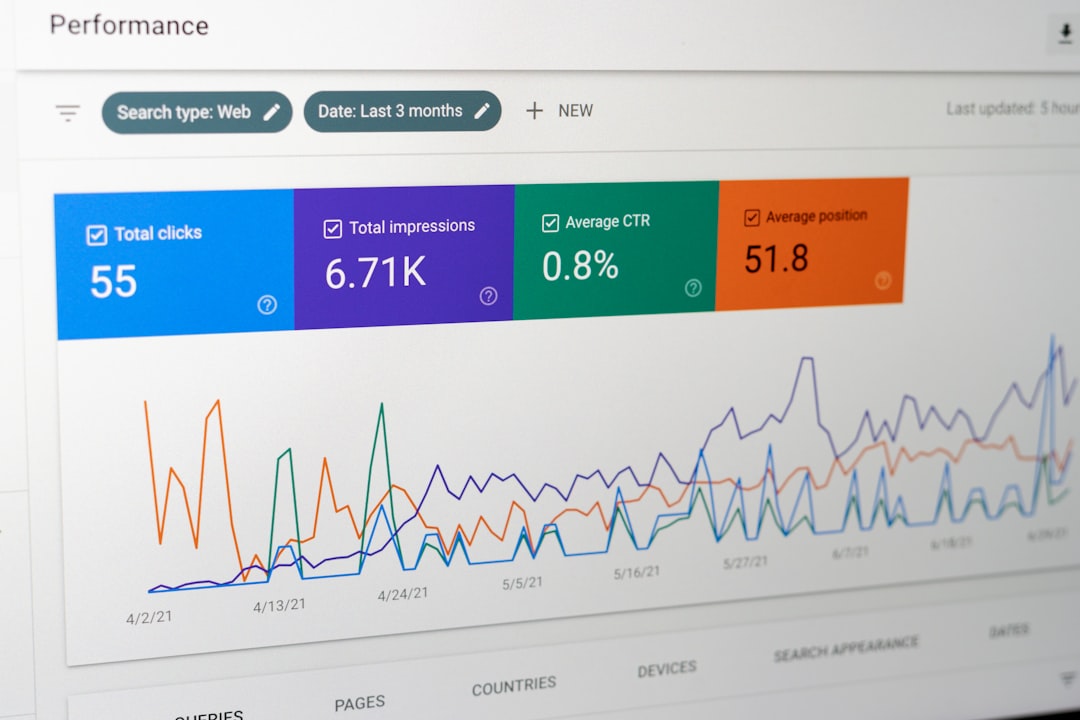
Before answering whether frequent uploads hurt your channel, it’s important to understand what the algorithm optimizes for. Contrary to popular belief, YouTube’s algorithm is not designed to favor channels that upload the most. Instead, it focuses on:
- Click-through rate (CTR) – Are people clicking your video when they see it?
- Watch time – How long do viewers stay?
- Viewer retention – Do they watch most of the video?
- Engagement – Likes, comments, shares, subscriptions
- Overall viewer satisfaction – Based on surveys and behavior patterns
The algorithm’s goal is simple: keep viewers on YouTube longer by showing them content they enjoy. It doesn’t punish channels for uploading frequently. However, your upload strategy can influence how these performance signals behave.
The Myth: “Too Many Videos Confuse the Algorithm”
One common fear is that uploading frequently will “confuse” the algorithm about who to show your videos to. In reality, YouTube’s system is much more sophisticated than that. Each video is evaluated largely on its own merits.
When you upload a video, YouTube:
- Tests it with a small segment of your audience
- Monitors how viewers respond
- Expands distribution if performance metrics are strong
This means that even if your previous upload performed poorly, your next video still has a fresh opportunity to succeed. There’s no permanent “channel-level punishment” for uploading often.
However, there are indirect ways high volume can work against you.
How Uploading a Lot Can Indirectly Hurt Performance

1. Audience Fatigue
If you upload too frequently—especially multiple times per day—you may overwhelm your core audience. Loyal subscribers might not have the time or interest to watch everything you publish.
This can lead to:
- Lower click-through rates
- Reduced watch time per video
- More videos competing for the same viewers
When your own subscribers don’t click, YouTube may interpret that as a weak signal and limit broader promotion.
2. Decline in Content Quality
Consistency is important. But maintaining quality is even more important.
If your upload schedule forces you to rush:
- Research may suffer
- Editing may become sloppy
- Thumbnails and titles may feel generic
Lower-quality videos often result in weaker retention and engagement metrics. Over time, this can reduce the average performance of your channel.
3. Performance Cannibalization
Uploading a new video while the previous one is still gaining traction can sometimes divide attention. This is particularly relevant for smaller channels with tightly concentrated audiences.
Instead of one video gaining strong momentum, two videos may end up performing moderately.
That said, for large channels with diverse audiences, frequent uploads often work just fine.
When Uploading More Can Actually Help

While overposting can cause issues, uploading more frequently can also offer significant advantages.
1. Faster Learning Through Data
Every video gives you performance data. More uploads mean:
- More thumbnail tests
- More title experiments
- Faster understanding of what your audience likes
Channels that post more often can iterate and improve at a much faster pace.
2. Increased Surface Area for Discovery
Each video is a separate opportunity to be discovered through:
- Search
- Suggested videos
- Browse features
- Shorts feed
More videos mean more entry points into your content ecosystem. Even if some uploads underperform, others can become breakout hits.
3. Better Algorithm Training (For the Right Channels)
If your content stays within a clear niche, uploading frequently can actually help the algorithm better understand your audience.
For example, a channel dedicated solely to smartphone reviews builds a strong viewer profile signal over time. Consistent niche content helps YouTube identify and target the right viewers efficiently.
Consistency vs. Frequency
The real factor YouTube seems to favor is consistency, not raw frequency.
Consistency builds:
- Viewer expectations
- Habit formation
- Stronger subscriber engagement
A predictable schedule (once a week, twice a week, etc.) often performs better than random bursts of daily uploads followed by long inactivity.
From an algorithm standpoint, steady patterns of performance are easier to interpret than dramatic spikes and drop-offs.
Does It Matter If You’re a Small or Large Channel?
Small Channels
For newer creators, uploading frequently can be a great way to:
- Practice content creation
- Build a content library
- Discover what resonates
With a small subscriber base, there’s less risk of audience fatigue. However, quality still matters. Publishing 30 poorly optimized videos rarely beats publishing 10 strong ones.
Large Channels
Bigger creators often succeed with:
- Multiple uploads per week
- Different content formats
- Segmented audience strategies
They may have enough audience diversity that frequent uploads serve different viewer segments without cannibalizing performance.
How the Algorithm Treats Each Video
One of the most important things to understand is this: YouTube primarily evaluates videos individually.
While channel authority and past performance do play some role, each upload starts with a fresh testing phase. This means:
- A bad week won’t permanently damage your channel.
- A viral video can still happen after a slow period.
- Your upload volume alone won’t “penalize” you.
The algorithm continuously adapts to viewer response. If viewers respond positively, distribution increases. If they don’t, it decreases. Volume simply increases the number of experiments.
Signs You’re Uploading Too Much
If you’re worried that your upload schedule is hurting performance, watch for these warning signs:
- Sharp drop in average views across recent uploads
- Declining click-through rates among subscribers
- Reduced retention compared to earlier videos
- Burnout or declining production quality
If multiple metrics dip simultaneously, your audience may be overwhelmed—or your content quality may be slipping.
Best Practices for High-Volume Uploaders
If you enjoy creating lots of content and want to maintain a strong schedule, consider these strategies:
- Batch produce to maintain quality control.
- Stagger major uploads so they don’t compete heavily.
- Analyze performance weekly to adjust quickly.
- Focus tightly on your niche to strengthen audience targeting.
- Maintain thumbnail and title excellence for every video.
High-volume creators who succeed usually pair quantity with structure and strategy.
The Psychological Side of Posting Frequently
There’s another factor often overlooked: creator psychology.
Uploading constantly can create pressure to chase trends, rush ideas, and prioritize output over thoughtfulness. That mindset can erode creative identity over time.
Conversely, a well-paced schedule allows room for:
- Better storytelling
- Unique angles
- Strong research
- Creative experimentation
The algorithm ultimately mirrors audience behavior. If your content remains fresh and engaging, the system responds positively—regardless of upload count.
So, Does Uploading a Lot Hurt the YouTube Algorithm?
The short answer is: No, but it can hurt your performance if done carelessly.
YouTube does not penalize creators for volume. It rewards videos that satisfy viewers. If uploading frequently helps you improve, deliver value, and reach your audience more often, it can accelerate growth.
But if quantity reduces quality, overwhelms your viewers, or spreads attention too thin, performance metrics will decline—and the algorithm will simply react to that viewer behavior.
In the end, the best approach isn’t about gaming an algorithm. It’s about understanding what your audience can realistically consume and what you can sustainably produce.
Upload as often as you can without sacrificing quality or audience experience. That’s not just algorithm-friendly—it’s creator-friendly too.

